

QR Code
How QR Codes Are Transforming Field Equipment Tracking
A practical look at deploying QR labels on every asset to speed up information access, improve report quality, and cut down on manual data entry errors.
April 14, 20266 min read
A comprehensive guide to best practices in equipment management, preventive maintenance, and operational data analysis for faster and sharper decisions.
A practical look at deploying QR labels on every asset to speed up information access, improve report quality, and cut down on manual data entry errors.

The essential KPIs every operational dashboard should surface so leadership decisions rely on a trustworthy, real-time view.
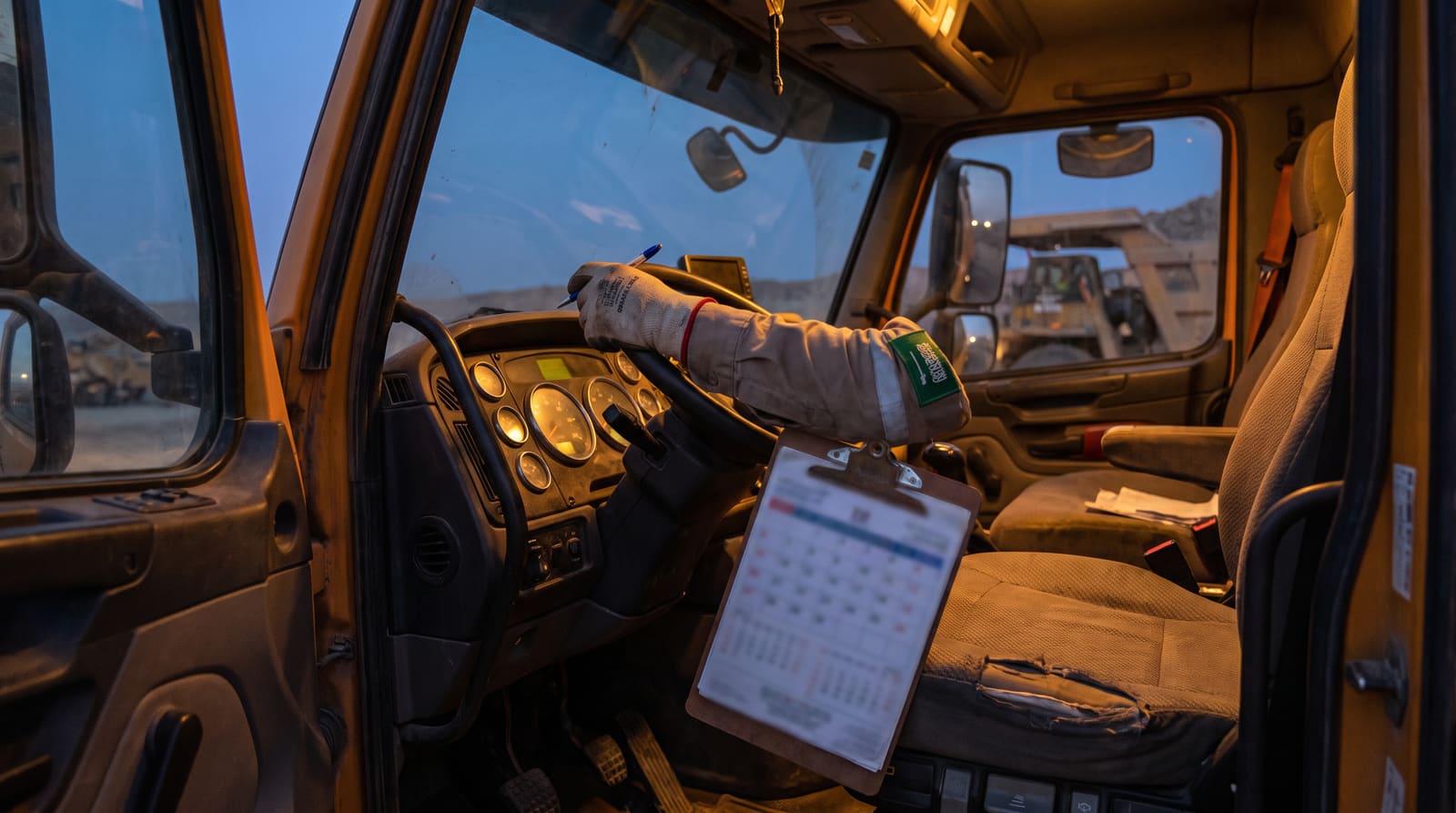
A clear comparison between calendar-based, operating-hours, and kilometer-based maintenance, with real-world examples from actual operating environments.

How to build a professional handover and return process with notes, photos, and digital signatures to reduce disputes and improve accountability.
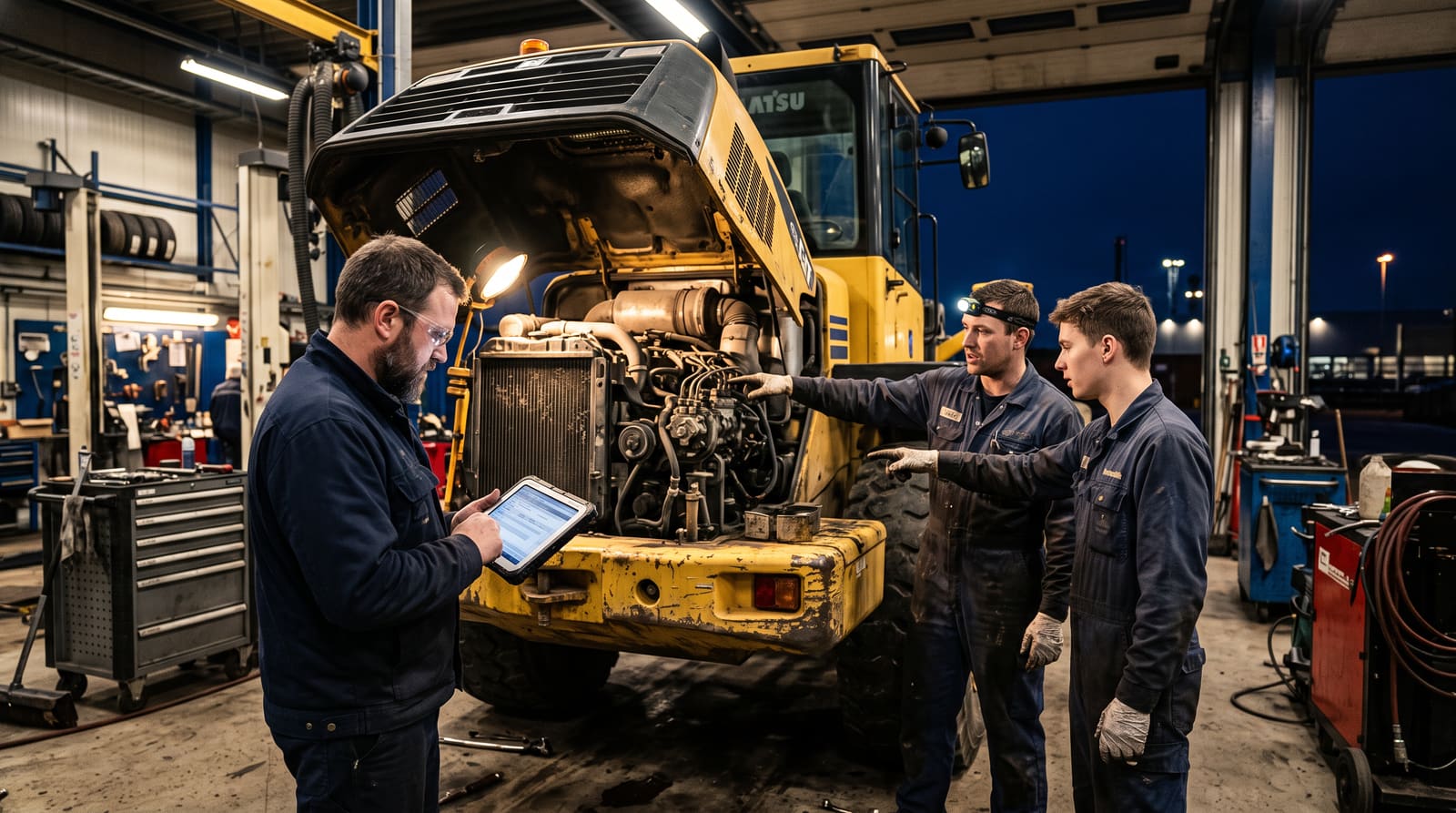
Designing a clear report workflow from intake to closure, with priority levels, task distribution, and reduced downtime.
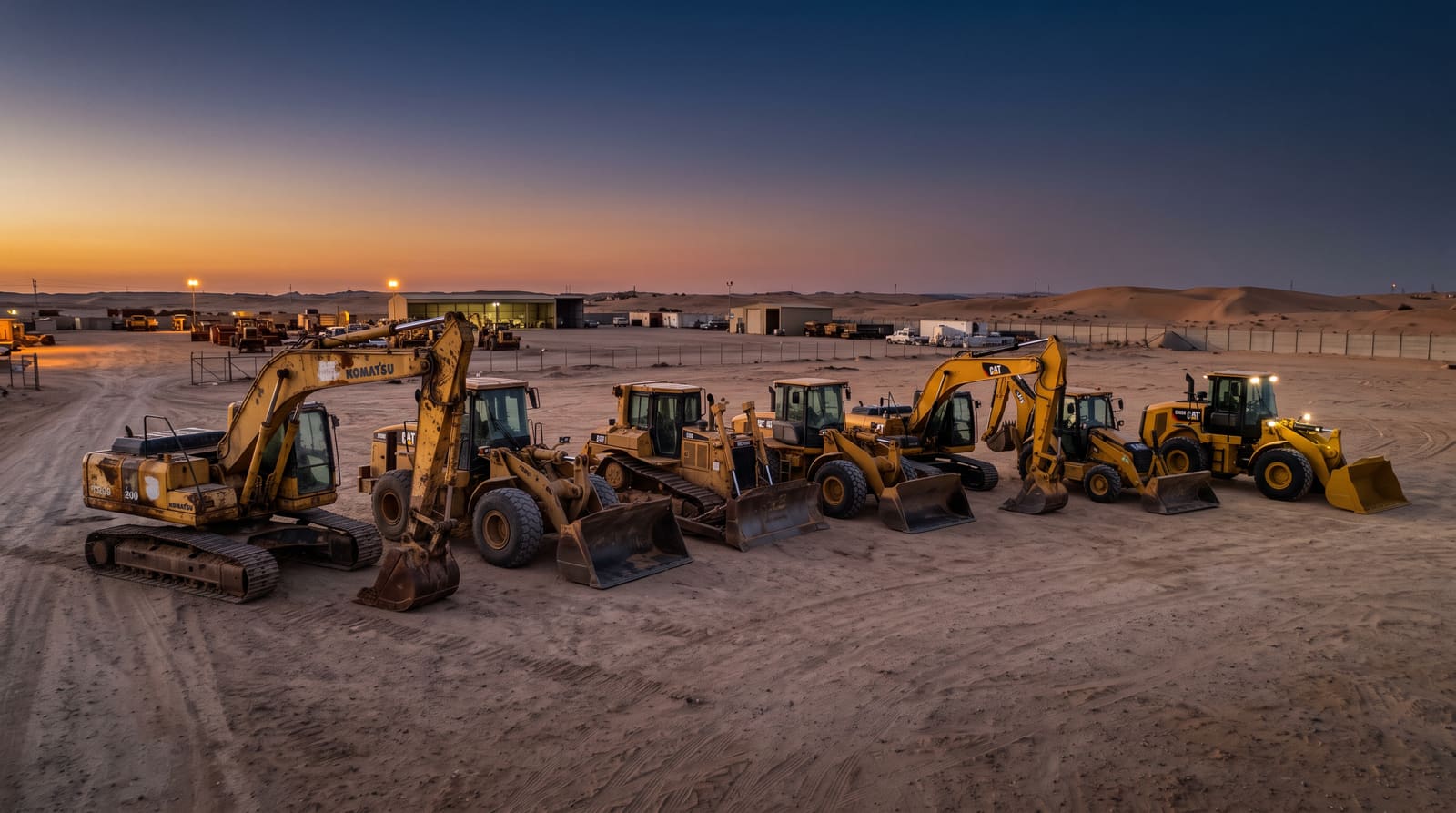
A practical framework for tracking each asset's performance and cost across its operating life, and deciding when to continue or replace at the right moment.

A practical reporting model linking breakdowns, consumption, and operating costs to deliver tangible expense reduction.

How AI helps detect breakdown patterns early and prioritize action before costly site downtime occurs.

A practical method to track licenses, insurance, and periodic inspections, and to set up alerts well before each expiry date.

An executive three-phase roadmap to move from traditional management to fully digital operations without disrupting daily business.

A practical checklist to evaluate Fleet Management solutions before purchase and avoid common mistakes when selecting a platform.

Why managing maintenance on paper inflates cost and reduces operational control: a practical analysis of daily risks and their financial impact.
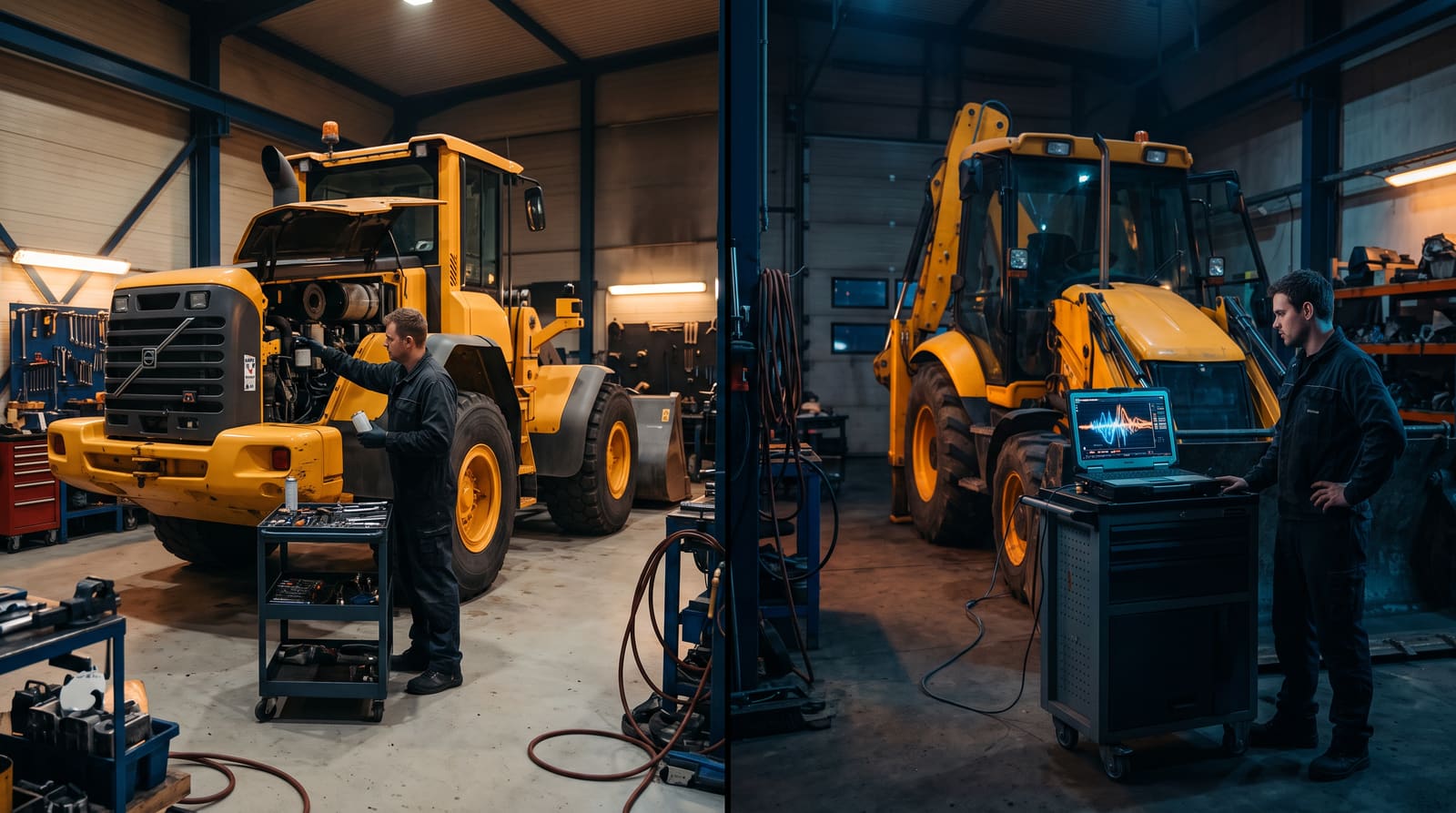
A clear comparison of both models with practical use cases that help you choose the strategy best suited to your asset type and operating environment.
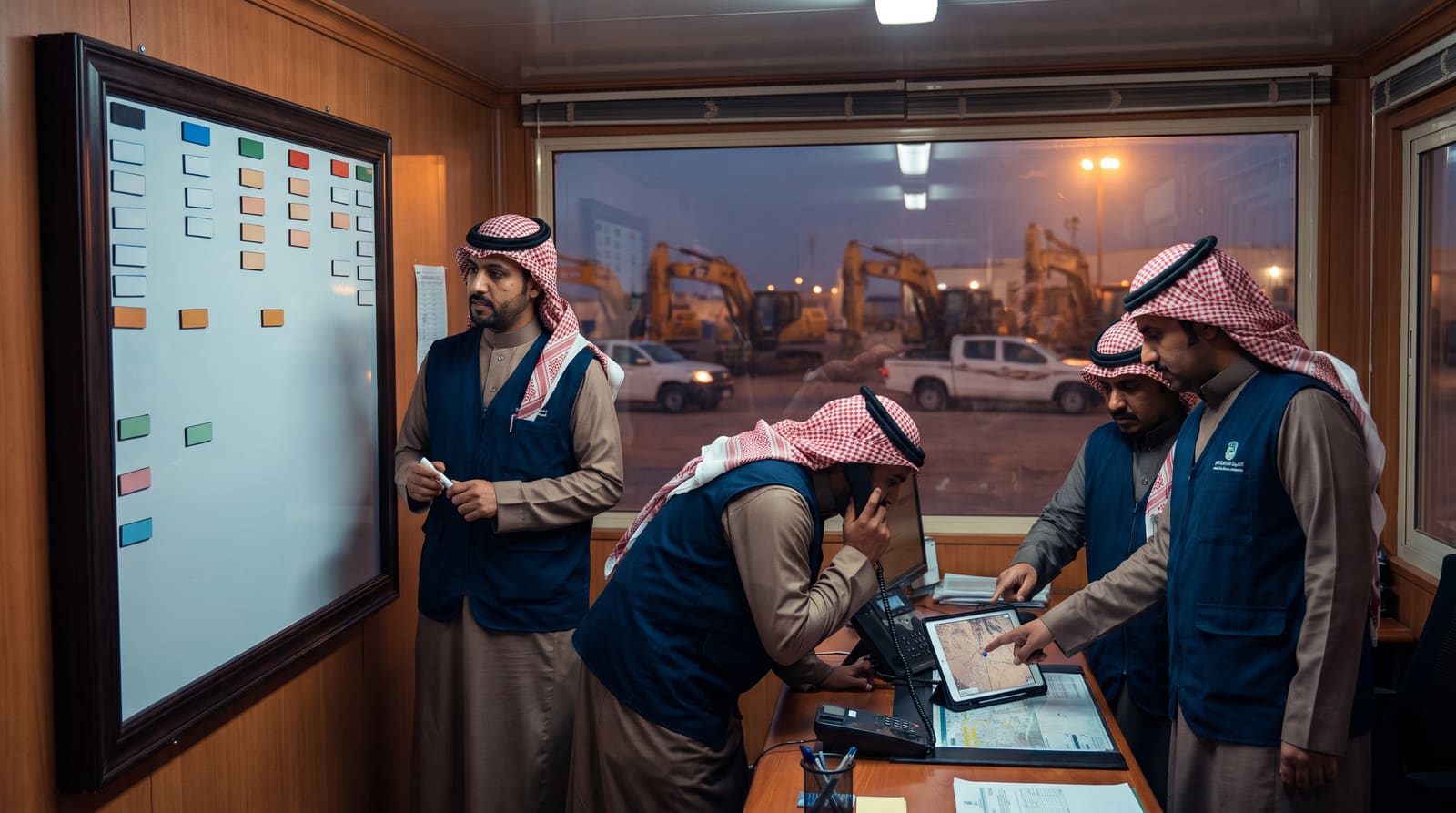
A direct walkthrough of the daily problems in equipment and fleet management, and how TAC Flow turns them into clear, fast, measurable operations.
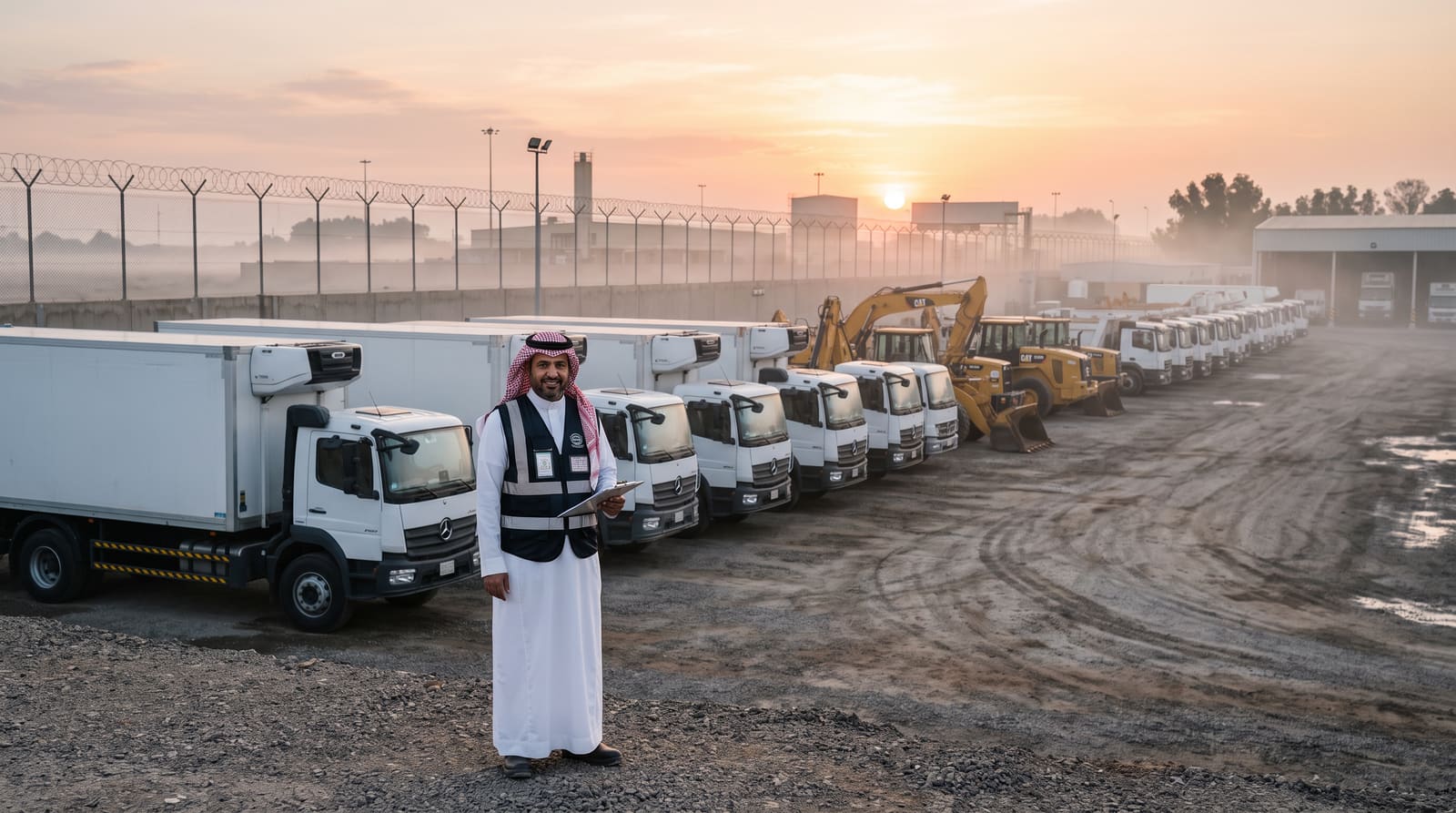
A clear roadmap to shift from dealing with breakdowns after they happen to a proactive model that reduces downtime and raises execution quality.

Actionable steps to manage heavy equipment maintenance in a fast Saudi operating environment, while reducing breakdowns and raising readiness.

A practical method to reduce truck breakdowns through preventive maintenance, analysis of recurring faults, and tight tracking of KPIs.
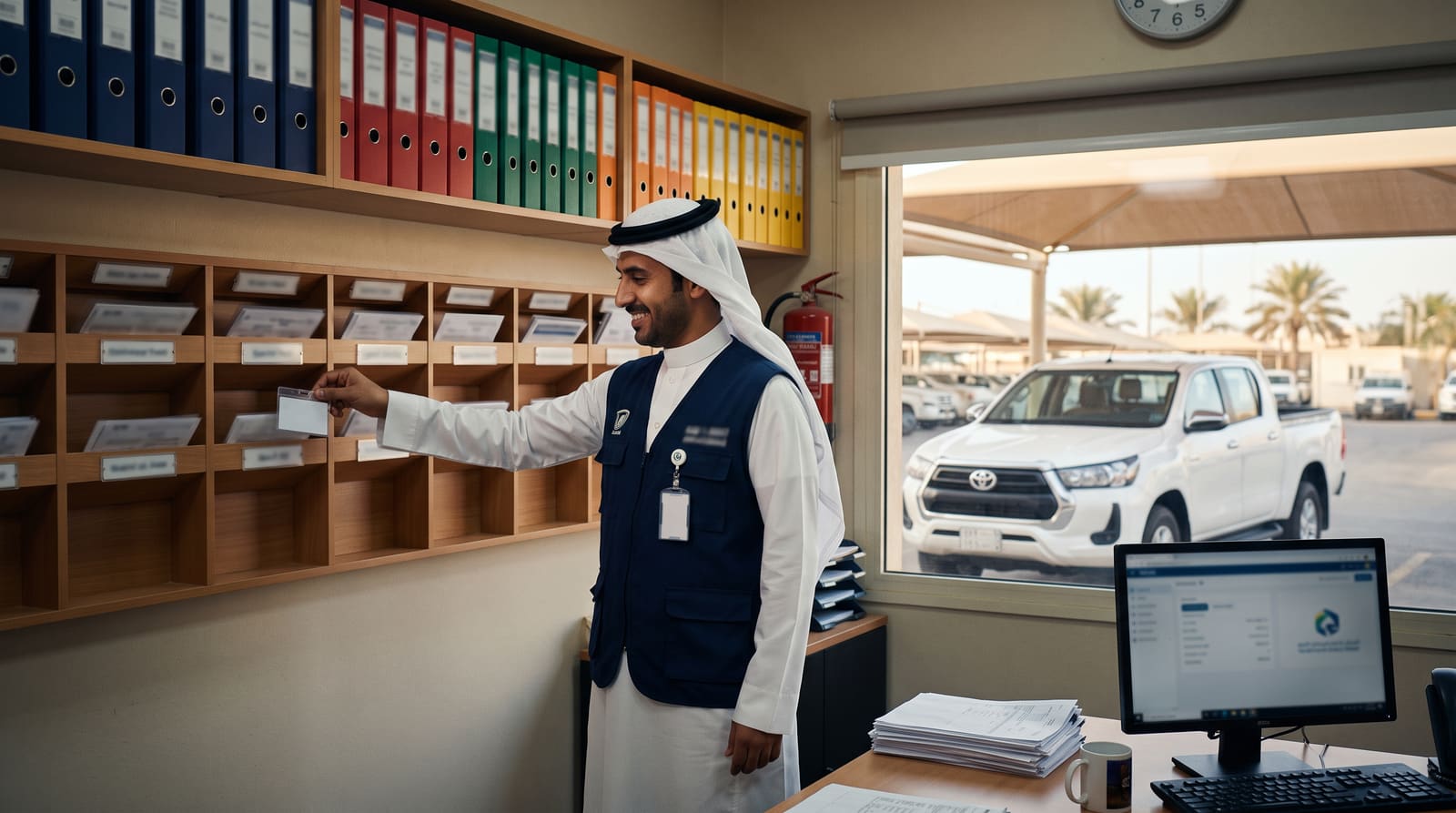
A complete guide for tracking licenses, insurance, and periodic inspections under an operating model that prevents surprises.
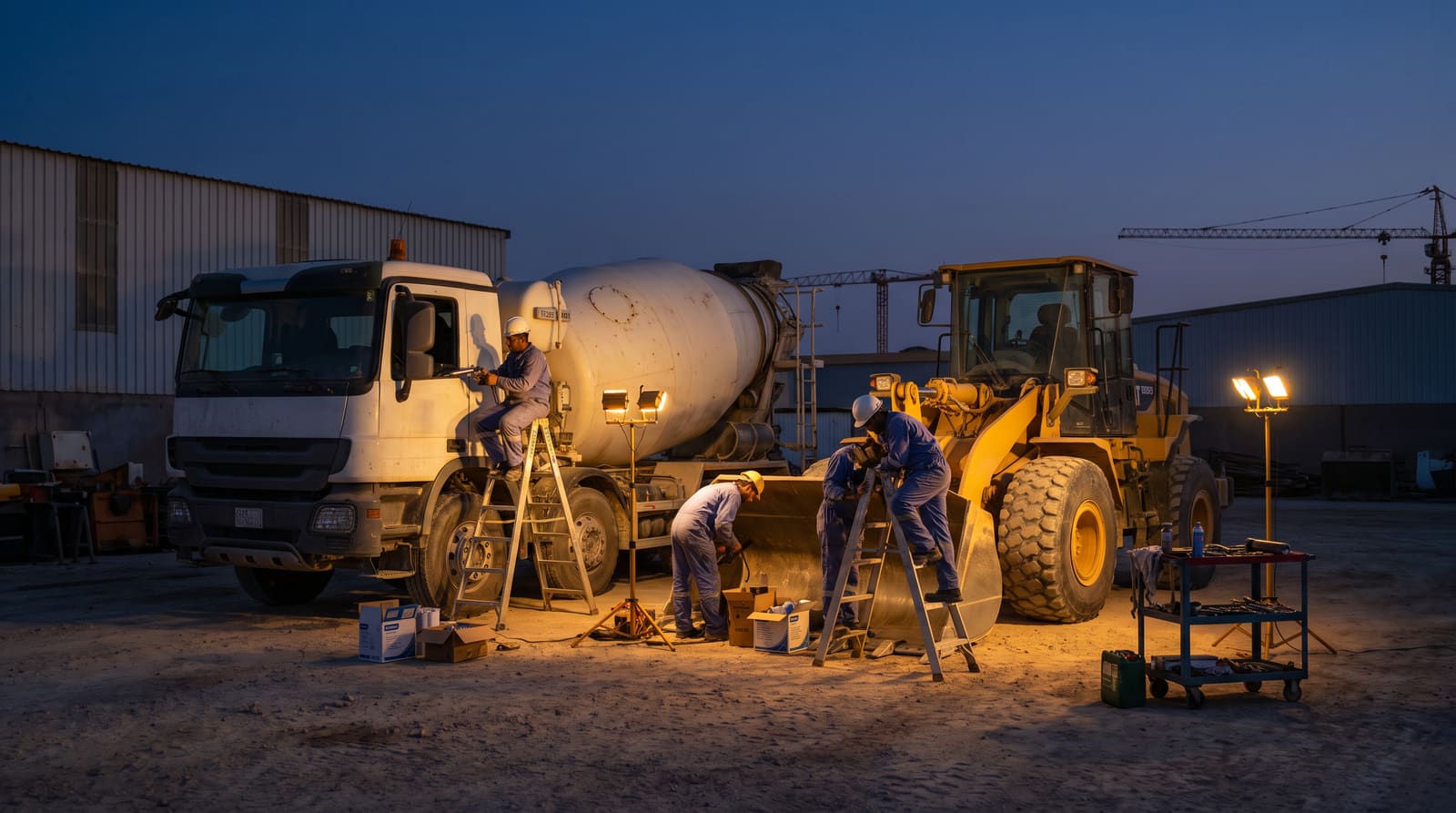
The most important operational procedures for maintaining contracting equipment and vehicles in a way that preserves on-site readiness.

The key fleet and equipment performance indicators, with a daily tracking template that drives fast decisions.
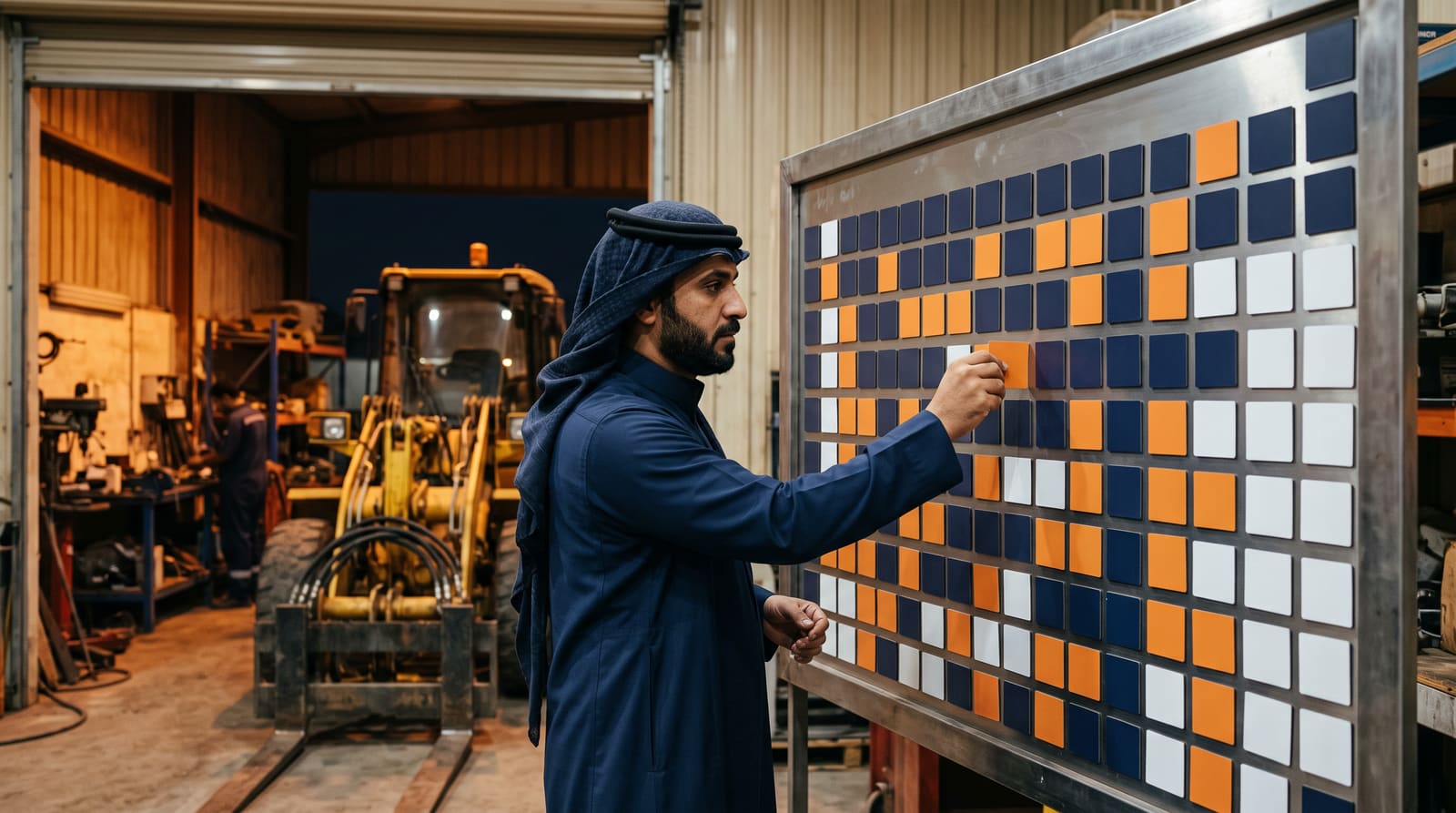
A practical template for building an executable preventive maintenance plan based on asset type and operating hours.

Practical steps for companies that want to move asset management from traditional methods to a unified digital platform.

A practical approach to analyzing recurring breakdowns and moving from symptom repair to root cause treatment.

Selection criteria for a maintenance system for logistics fleets, focused on speed, reliability, and cost control.

How to organize the oil cycle for equipment and vehicles and reduce waste and delays through accurate digital tracking.

Practical criteria for evaluating fleet and equipment management systems before committing — what separates a system built for the Saudi market from an imported one that does not know your job sites.

Diesel is one of the largest and most silently leaking operating costs — a practical methodology for controlling tanks, dispenses and fuel cards, and catching fraud patterns before losses accumulate.

Ready-made comparison tables serve whoever wrote them — a neutral six-step methodology to compare systems against your company's own reality: your data, your team, your sites, not advertised feature lists.

Many companies buy tracking devices only to discover tracking was never their problem — when software alone is enough, when hardware is genuinely needed, and how to start without paying for what you don't need.
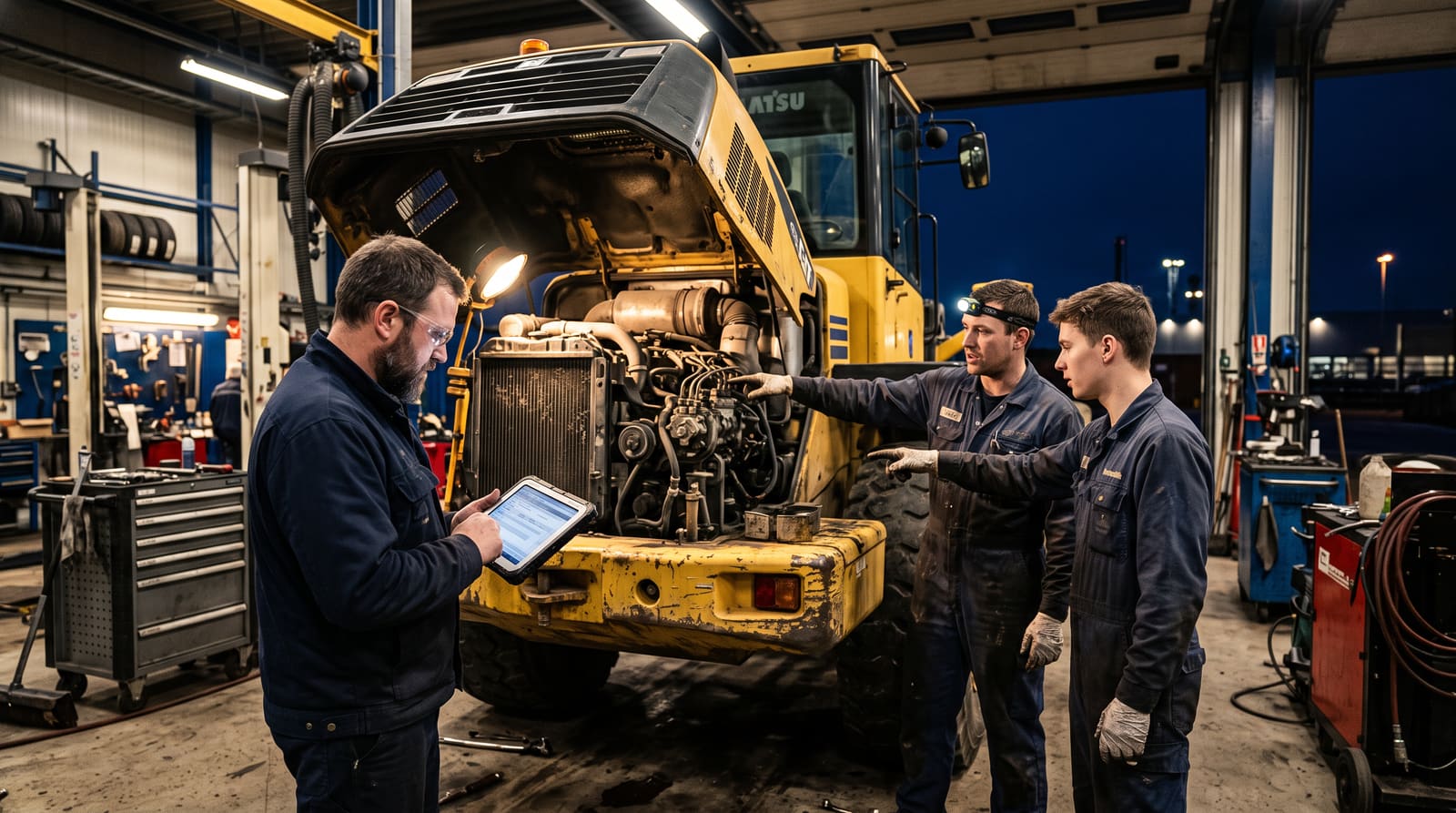
A workshop run by shouting and memory swallows equipment hours and costs nobody questions — how to build a documented repair cycle from the moment of the fault report to closing the file with its full cost.

Equipment downtime is not reduced by enthusiasm or meetings — it is reduced by honestly measuring when it starts and closing five well-known drains that swallow hours between failure and return to service.

Much of what is sold as equipment maintenance software is a digital notebook with a polished interface — these six capabilities are the dividing line, and these are the questions to ask any vendor before signing.
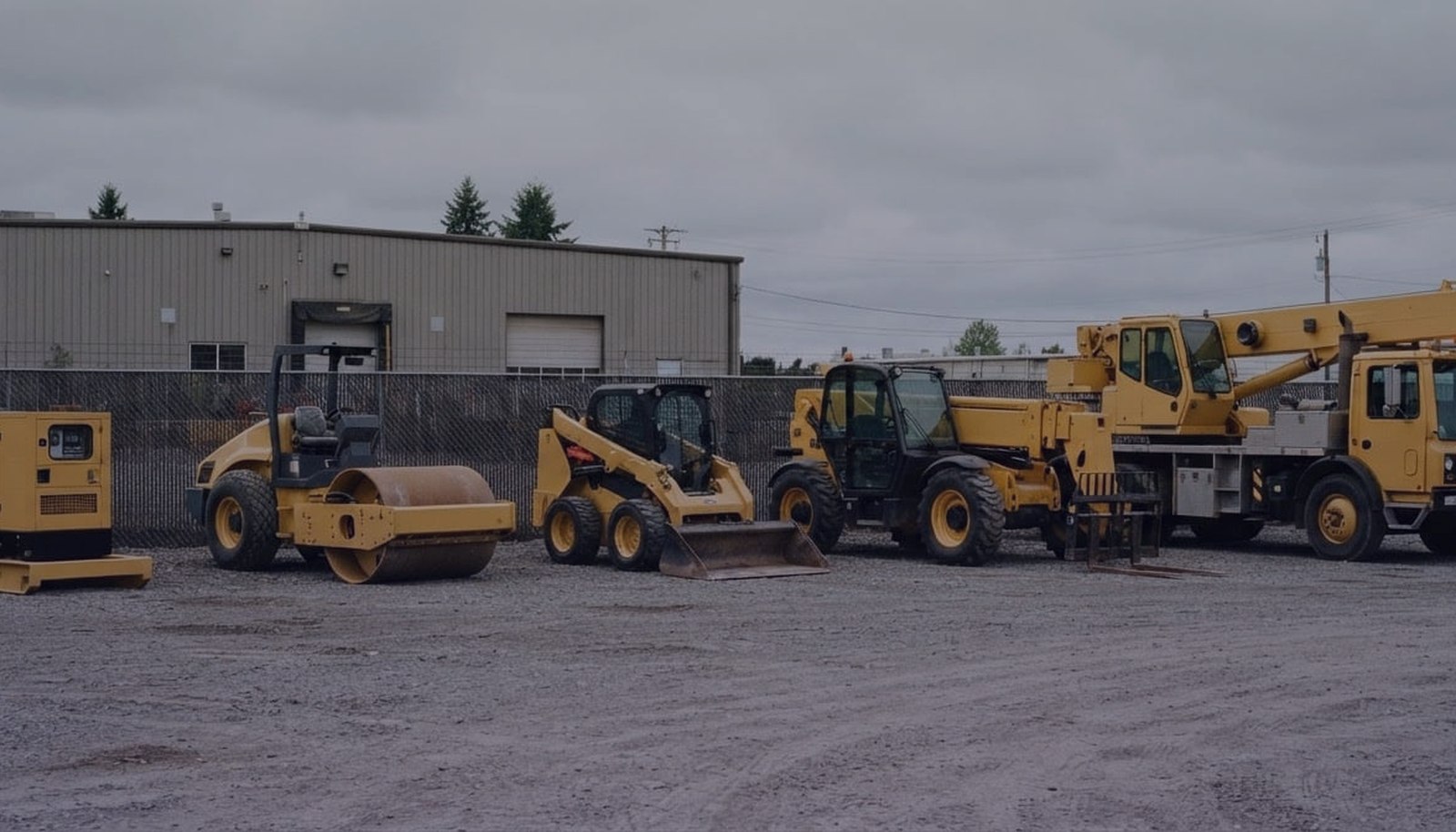
The purchase price is the smallest part of a heavy machine's cost. Seven criteria an operations manager uses to evaluate equipment before buying or renting: expected operating hours, spare parts, maintenance, measurability, and replacement — not the catalog.
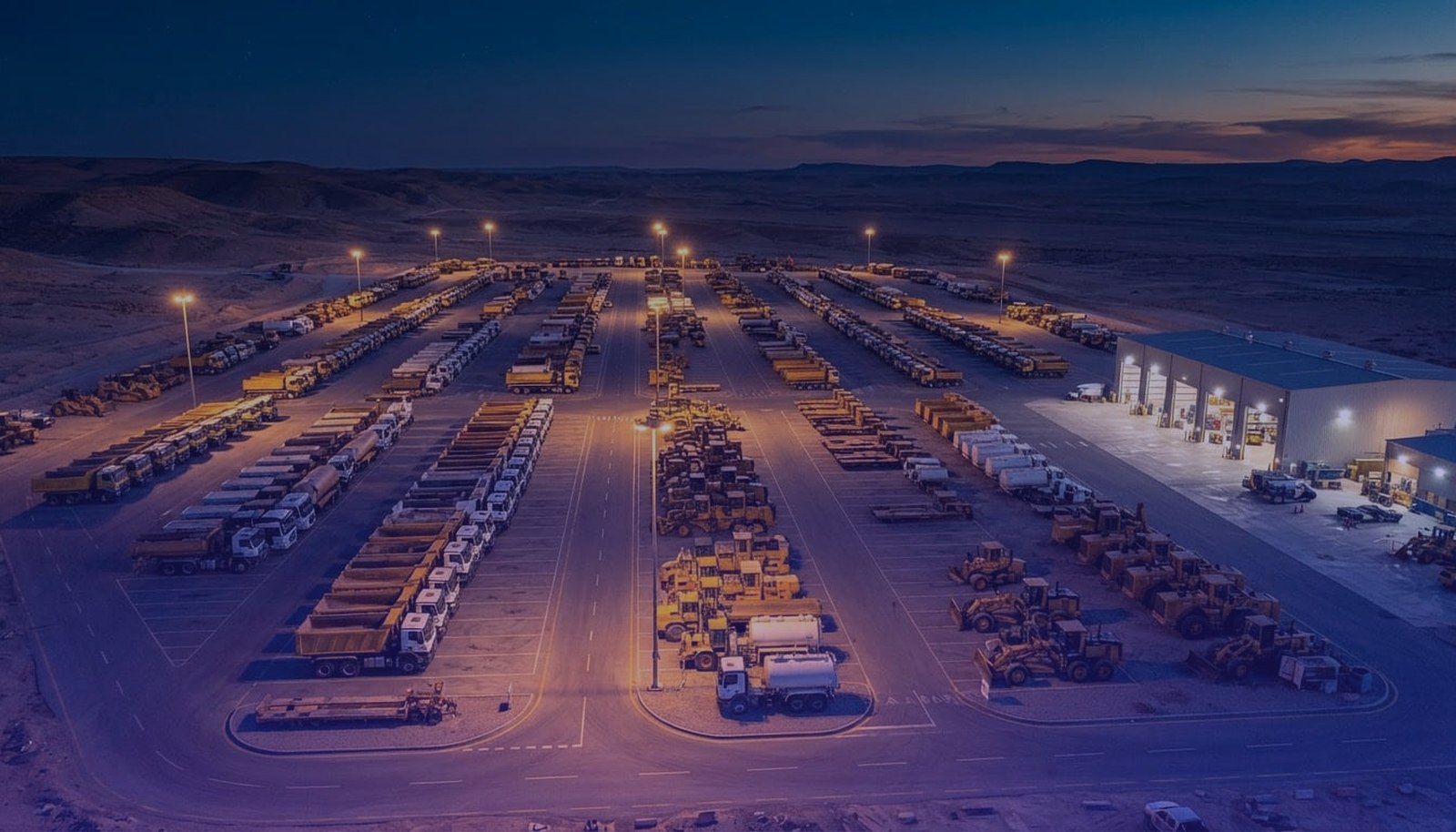
Registering a heavy machine is not typing its name into a spreadsheet. The internal number, the measurement system, documents with their expiry dates, the code on the machine, and bulk import — what is set on registration day decides whether the machine can be managed later at all.

The field team works out of your sight all day, and real compliance is not a report written in the evening but proof recorded in the moment. What a field team management platform must do for its record to be evidence, not a claim.
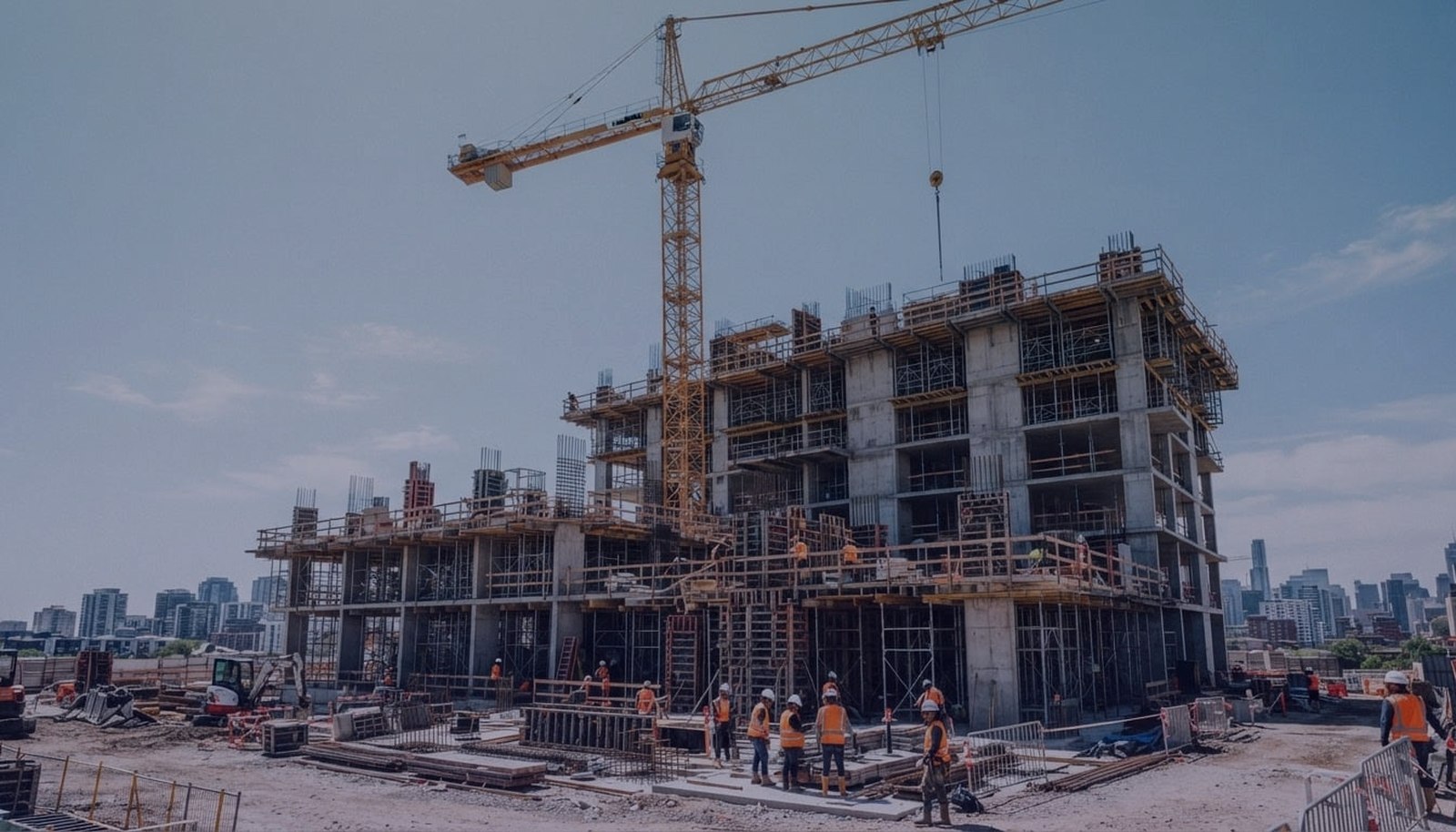
Registering heavy equipment with the Heavy Equipment Regulatory Center is now a defined digital procedure: who must register, the conditions, the documents, the fee, the processing time — and how to prepare your asset register before opening the portal so you never revisit a machine twice.
Book a TAC Flow trial and see how the blog articles turn into daily operating procedures inside your team.