- Names used in Saudi Arabia
- Articulated dump truckArticulated haulerADTOff-highway dumperDumber (Saudi term)
- Formal name
- قلاب مفصلي للطرق الوعرة
- English name
- Articulated dump truck
- Family
- Trucks & trailers · Trucks
- Measured by
- Operating hours
01Definition and uses
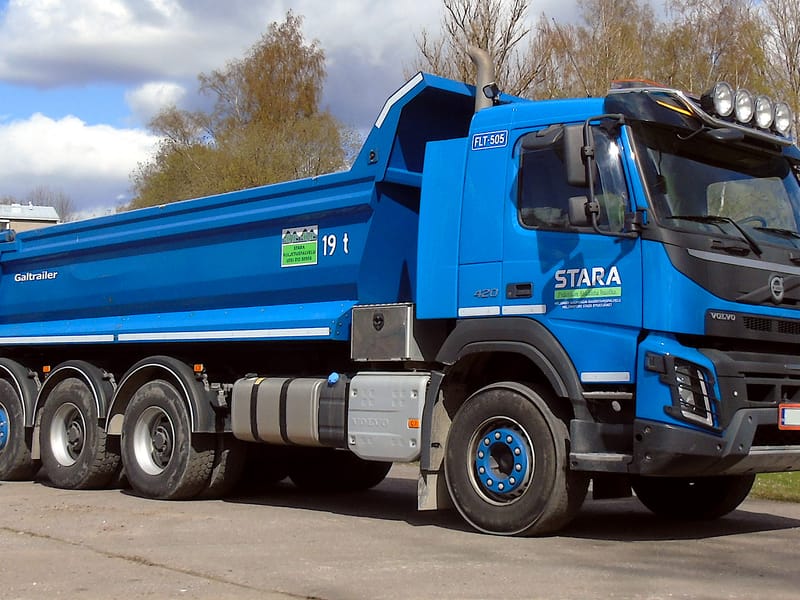
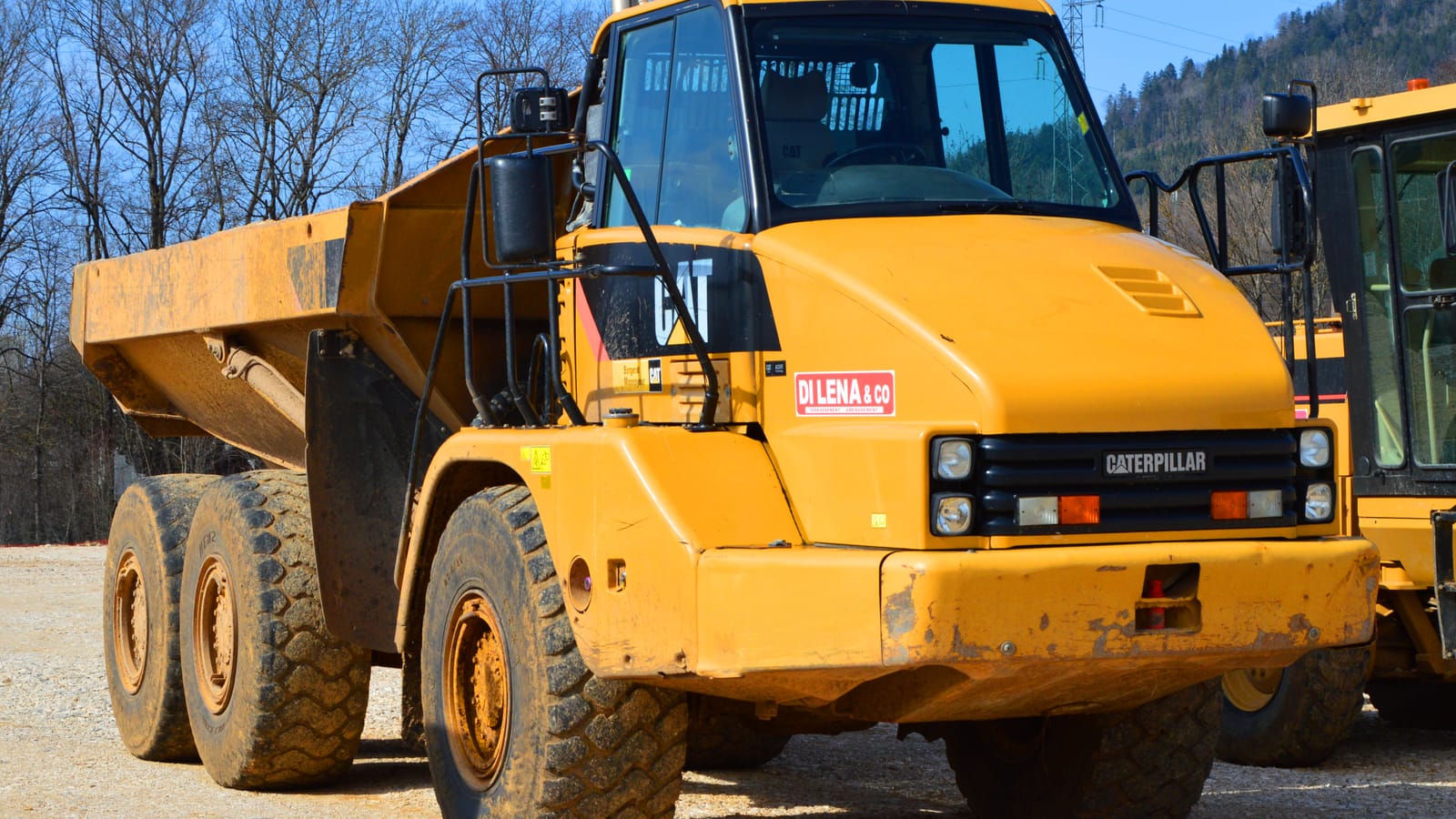
The articulated dump truck is a very heavy tipper truck for carrying loads over rough ground, and it sometimes travels on public roads. It consists of two units: the front section that holds the cab and the engine, and the rear section carrying the tipping body, and steering is done by turning the front relative to the rear with hydraulic cylinders, so that all the wheels follow the same path. It is a machine measured in operating hours, and it is not the ordinary tipper, which is measured in kilometres. It is known by several forms, and in the Saudi market it is “dumber”.
Uses
- Carrying soil, gravel, sand and rock across rough construction sites.
- Carrying ore, overburden and blasted rock in mines and quarries.
- Working on road, dam and canal projects on uneven ground.
- Carrying waste and cover soil in landfills.
- Transport on oil and energy projects in remote sites.
- Travelling on soft ground, slopes and tight sites.
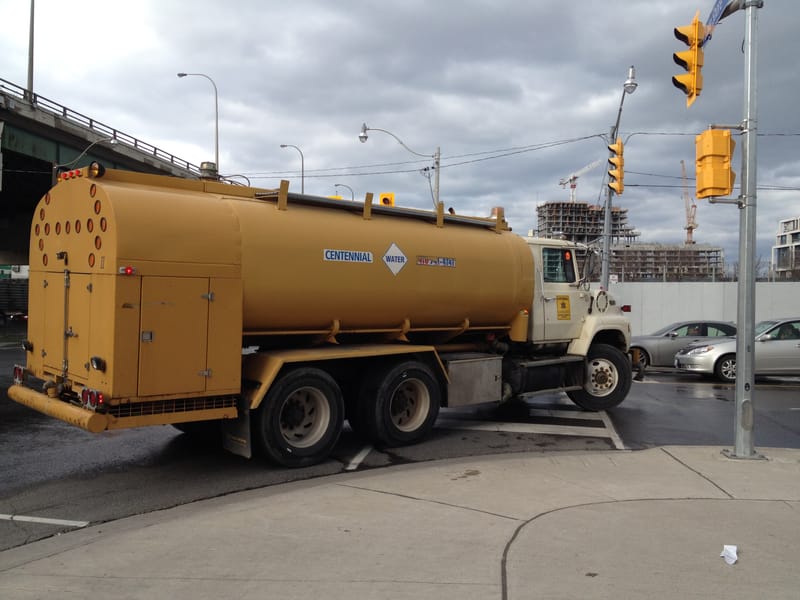
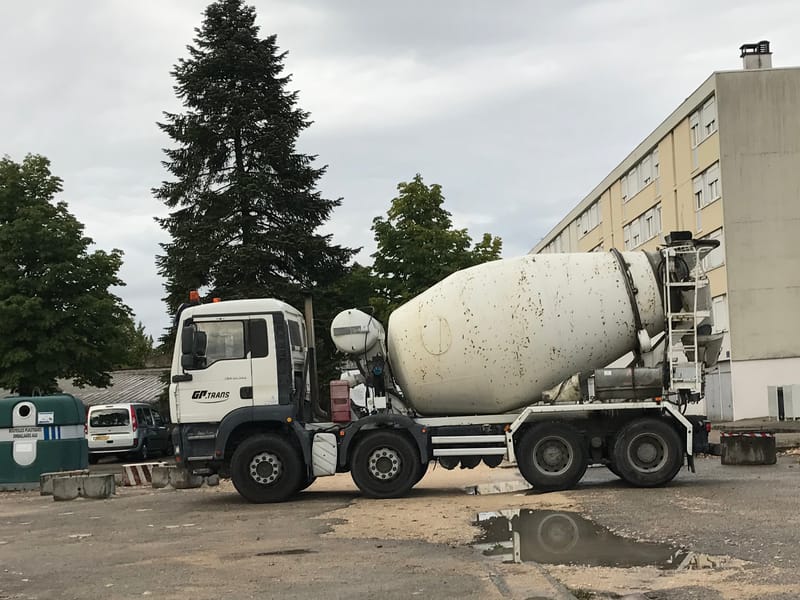
- Using its chassis for other bodies such as a mixer and a tanker.
02Classes and sizes
The articulated dump truck is distinguished by its ability to travel in swamps, on slopes and on slippery ground, whereas the rigid dump truck has a higher payload than it. The general reference gives a net payload from less than 25 tonnes to more than 40 tonnes, and says that manufacturers today offer classes of 40 to 60 tonnes.
| Class | Description | Typical use |
|---|---|---|
| Four-wheel-drive dumper | A front axle and a rear axle with drive on all four wheels | Smaller loads and tight sites. |
| Six-wheel-drive dumper | A front axle and a rear bogie with two axles | The two-axle rear bogie has become the prevailing standard. |
| Heavy dumper | A high payload with a reinforced frame and axles | Mines, quarries and large road projects. |
| Electric dumper | Runs on batteries with low noise | Noise-sensitive sites; it has appeared in limited classes. |
| Dumper with a dedicated chassis | The dumper chassis for a tanker, a mixer or a crane | Specialised work on rough ground. |
03Main components
- 01The front section: the protected cab, the engine, the transmission and the front axle.
- 02The central articulation joint and the two hydraulic steering cylinders.
- 03The rear section: the frame carrying the body and the oscillating rear bogie.
- 04Axles with hub reduction and lockable differentials.
- 05The tipping body, the lift cylinders, the wear liners, the hydraulic pumps, its tank and valves.
- 06The brake system, the retarder and the parking brake.
- 07The front suspension and the suspended driver’s seat.
- 08The rollover and falling-object protective structure for the driver.
- 09The large off-road tyres and their rims.
- 10The cameras, the reverse alarm and the remote weighing and monitoring systems, if present.
04Periodic maintenance schedule
The usual ladder, and the model manual sets the intervals and tasks that apply; the intervals are shorter in dust, mud and heavy loads.
| Interval | Typical tasks |
|---|---|
| Every 10 hours / daily |
|
| Every 50 hours / weekly |
|
| Every 250 hours |
|
| Every 500 hours |
|
| Every 1000 hours |
|
| Every 2000 hours |
|
The manufacturer’s manual governs. The actual intervals and tasks are set by the operation and maintenance manual for your machine’s model, and they are shortened in heavy dust, high heat and continuous operation. This table shows the general order only and does not replace the manual.
05Daily pre-start checklist
14 items
The general reference for construction sites requires an inspection at the start of every shift of the site vehicles: the service brakes, the parking and emergency brakes, the tyres, the horn, the steering, the towing devices, the seat belts and the operating levers.
06Common operating mistakes that cause breakdowns
- Loading above the rated payload or loading unevenly between the two sides.
- Discharging on a side slope or soft ground with the body raised, which is a main cause of rollovers.
- Travelling at high speed on rough ground with a full load, which strains the articulation joint and the suspension.
- Sudden braking on a long slope instead of using the retarder and downshifting.
- Travelling with the body partly raised.
- Neglecting the daily greasing of the articulation joint.
- Operating the machine with tyres of different sizes or at the wrong pressure.
- Standing under the raised body for maintenance without a locked prop.
07Regulatory requirements
Regulatory procedures to check when owning or operating this machine in the Kingdom.
08What to weigh when renting or buying
- The body payload and the nature and density of the material against the wheel loader or Bokalin that loads it.
- The condition of the articulation joint, its bearings and clearance.
- The condition of the tyres and the percentage of tread remaining.
- The condition of the body: floor thickness, welds and liners.
- The performance of the brakes, retarder and transmission on slopes.
- The hour-meter reading with the maintenance record and the chassis inspections.
- Leaks from the cylinders, the axles and the hub reduction.
- When renting: how hours are counted and the minimum, and who bears the tyres, the fuel, the operator and the transport of the machine.
Settle these factors first, then enter your own numbers in the Own vs rent calculator or the Equipment operating cost per hour calculator.
09Frequently asked questions
In the Saudi market it is called “dumber”. The English name is in the name field above, and the colloquial English word corresponding to “dumber” is used for tipper trucks generally and not for the articulated type alone.
The ordinary tipper is a road truck with front steering and is measured in kilometres, and the dumber is an articulated machine for rough ground whose front half pivots on the rear and is measured in hours.
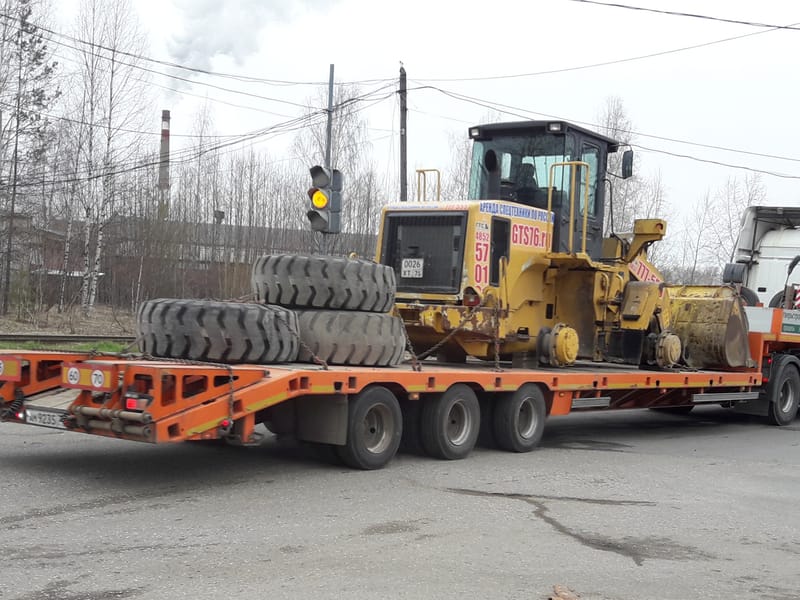
It may sometimes, but its width, weight and slow speed mean it is mostly moved on a trailer, and travelling on a public road with it may be a violation under the local regulation.
By a documented daily inspection, preventive maintenance built on hours, and monitoring the tyres, the articulation joint and the hydraulics before they turn into failures.
Tyres, body liners, hydraulic hoses, articulation joint bearings and brake linings; and the need varies by site.
It differs by class, from less than 25 tonnes to more than 40 tonnes, and modern classes offer 40 to 60 tonnes, and the actual payload is in the model’s bulletin.
Daily greasing and then intervals at 250, 500, 1000 and 2000 hours, and the model manual sets the tasks.
The dumber is requested used according to market enquiries, and what is most inspected on it is the articulation joint, the tyres, the body and the hours and maintenance record.