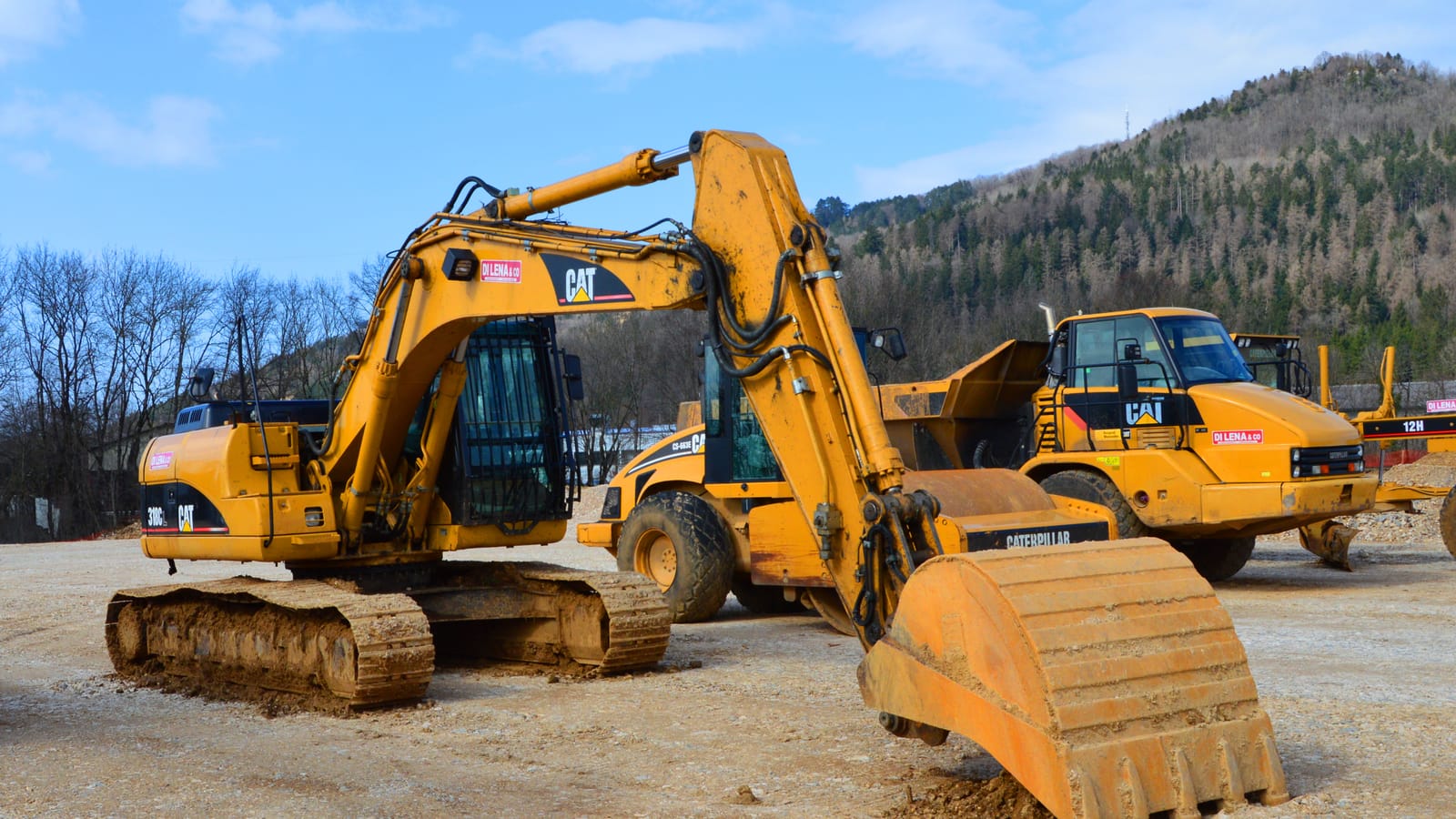
- Names used in Saudi Arabia
- ExcavatorHydraulic excavatorBokalin (Saudi term)HafarHafaraCrawler excavatorBokalin crawler
- Formal name
- حفّارة هيدروليكية
- English name
- Hydraulic excavator
- Family
- Heavy equipment · Digging & loading
- Measured by
- Operating hours
01Definition and uses
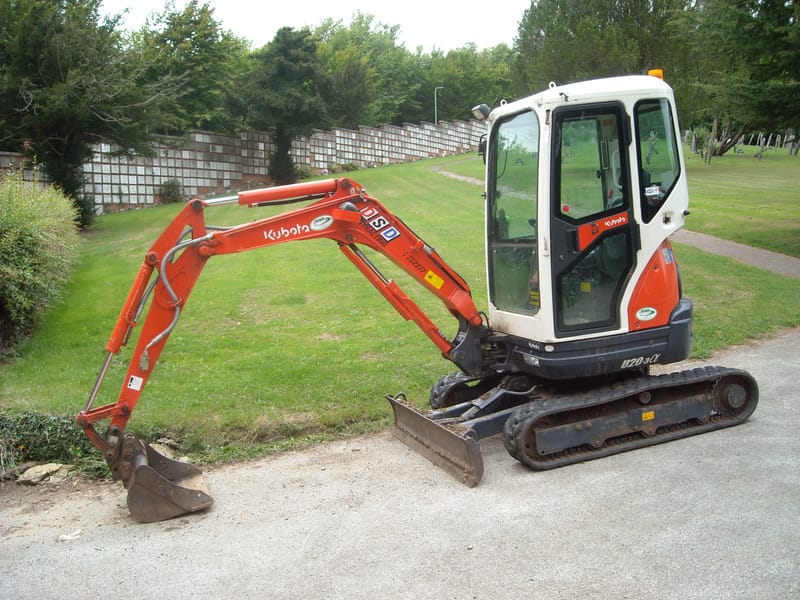
The hydraulic excavator, known in the Saudi market as the “Bokalin”, is a heavy machine made up of a rotating upper structure carrying the engine, the cab and the digging arm, mounted on a tracked or wheeled undercarriage, with all of its moving parts powered by hydraulic pressure. Its core job is digging and moving material into trucks, and its service life is measured in operating hours, not kilometres. The trade name “Bokalin” comes from a French company that was among the first to build hydraulic excavators, and it later became the generic name for the machine across the Gulf.
Uses
- Digging foundations, trenches and service lines.
- Loading soil and aggregate into dump trucks.
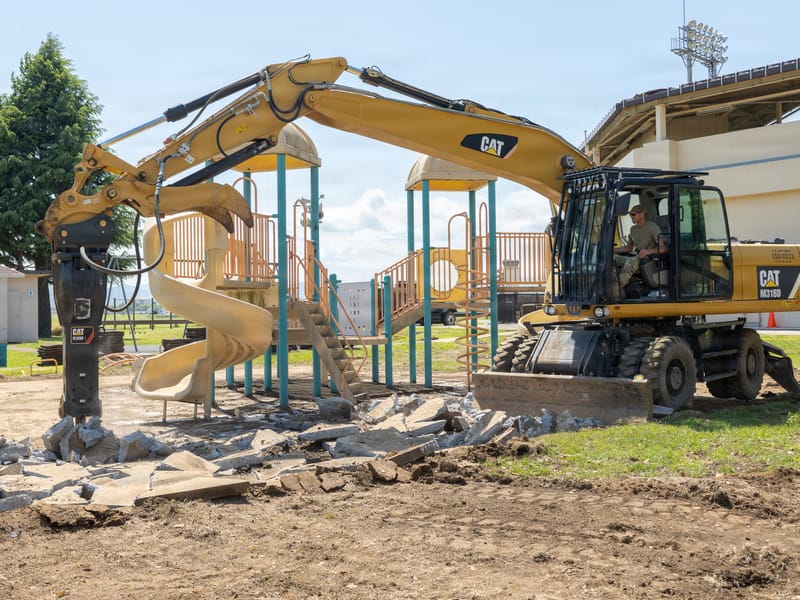
- Demolition work with a hydraulic breaker (“daqqaq”) or a demolition shear.
- Grading slopes and shaping basins and channels.
- Lifting and handling pipes and site materials within the limits set in the load chart.
- Quarry and mining work with the larger classes.
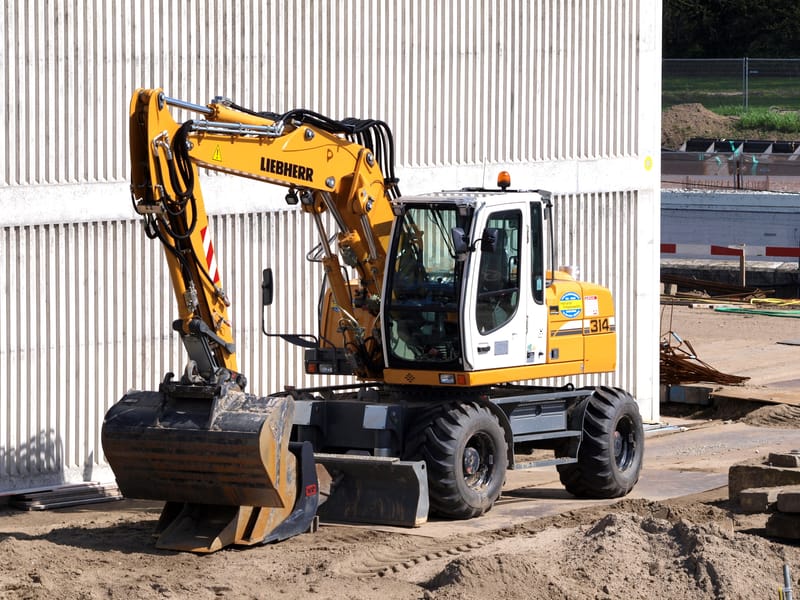
- Urban work and paved roads with the wheeled version, the “Bokalin kafarat”.
02Classes and sizes
The market classifies excavators by operating weight in tonnes, and model numbers usually indicate the weight class approximately; the number 220 or 320 that users ask about indicates roughly the twenty-tonne class, while the exact weight is taken from the specification sheet of the model itself.
| Class | Approximate operating weight | Typical use |
|---|---|---|
| Mini / small | From one tonne to about ten tonnes | Work inside cities and in tight spaces, utilities, landscaping, light demolition. |
| Medium | From about twenty to about thirty-eight tonnes | Utility trenches, demolition, debris removal, building construction. |
| Large | More than forty-five tonnes, and may exceed ninety tonnes | Major demolition, deep foundations, moving very large volumes of earth, mining, pipelines. |
Sub-classifications by undercarriage and arm:
- Tracked: better stability and traction on soft and uneven ground.
- Wheeled: travels on roads at higher speed and suits urban work and frequent moves between sites.
- Long-reach arm: an extended arm for far-reaching digging and channel cleaning, at the cost of digging force.
- Demolition excavators and surface-mining excavators are specialised classes offered by manufacturers.
03Main components
- 01Undercarriage: tracks or wheels, rollers, final drive, swivel joint.
- 02Slew bearing (“sini”) and slew motor.
- 03Upper structure: engine, fuel tank, coolers, counterweight.
- 04Hydraulic system: main pump, control valve, tank, cooler, filters.
- 05The main arm (“boom”), the second arm (“stick”) and their cylinders.
- 06The bucket with its teeth and edges, and the quick coupler if fitted.
- 07Cab, operator seat, control levers and protective structure.
- 08Electrical system, batteries and the electronic control unit.
04Periodic maintenance schedule
The ladder shown here is the one usual among most manufacturers; the intervals and tasks that actually apply are those set by the operation and maintenance manual for the specific model, and they vary with working conditions such as dust, heat and the type of fuel and oils.
| Interval | Typical tasks |
|---|---|
| Every 10 hours / daily |
|
| Every 50 hours / weekly |
|
| Every 250 hours |
|
| Every 500 hours |
|
| Every 1000 hours |
|
| Every 2000 hours |
|
The manufacturer’s manual governs. The actual intervals and tasks are set by the operation and maintenance manual for your machine’s model, and they are shortened in heavy dust, high heat and continuous operation. This table shows the general order only and does not replace the manual.
05Daily pre-start checklist
14 items
General reference: a programme of daily visual inspections and periodic maintenance according to the manufacturer’s instructions, with defects reported and the machine taken out of service when a defect affects safety.
06Common operating mistakes that cause breakdowns
- Swinging the bucket to strike material, or using the arm for side pulling, which strains the slew bearing and the structures.
- Digging with the cylinders at the very end of their full stroke, which concentrates pressure on the seals.
- Long travel on the tracks over hard ground or asphalt, which wears out the undercarriage quickly.
- Stopping the engine immediately after hard work with no cool-down period, or running at high speed before the hydraulics have warmed up.
- Neglecting track tension: excessive tension speeds up roller wear, and slack causes the track to come off.
- Fitting a breaker or an attachment heavier than specified without the manufacturer’s approval, or striking with the breaker in the air.
- Refuelling without draining water from the separator in a humid environment or from a dirty tanker.
- Leaving the arm raised when parking instead of lowering the attachment to the ground.
07Regulatory requirements
Regulatory procedures to check when owning or operating this machine in the Kingdom.
08What to weigh when renting or buying
- Matching the weight class to the job: ground conditions, ease of access, tasks, required attachments.
- Reading the hour meter and checking it against the maintenance record, not against the outward appearance.
- The extent of undercarriage wear: tracks, rollers and the final drive, which are among the costliest repair items.
- Looseness in the bucket and arm pins, and shaking of the arm when standing.
- Checking the cylinders and pump for leaks, and the sound of the slew.
- The condition of the quick coupler and whether it matches the buckets available.
- Availability of spare parts and a dealer in the area, since enquiries about Bokalin spare parts are among the most searched.
- When renting: the contract text on who bears the periodic maintenance, how working hours are counted, the daily minimum, and transport of the machine.
Settle these factors first, then enter your own numbers in the Own vs rent calculator or the Equipment operating cost per hour calculator.
09Frequently asked questions
“Bokalin” and “hafar” (excavator) are two names for the same machine in the Saudi market; the first is a trade name that became common and the second is the descriptive name.
By undercarriage: tracked or wheeled (“kafarat”); by size: mini, small, medium and large; by arm: standard or long; and there are specialised models for demolition and mining.
The number in the model name usually indicates the approximate weight class, so models 220 and 320 fall in roughly the twenty-tonne class, but the actual weight varies between manufacturers and versions and is taken from the specification sheet.
The tracked machine is steadier on soft ground and stronger in heavy digging, while the wheeled model travels on roads under its own power and moves faster between scattered sites inside cities.
Yes, provided the breaker is within the weights and hydraulic flow set by the manufacturer for that model; breaker work needs more care of the hydraulic oil and its filters because the oil temperature and contamination rise.
Inspection is daily, and the main service points are usually every 250, 500, 1000 and 2000 hours, with the intervals that actually apply set in the model’s manual.
The most common causes: a low or contaminated oil level, clogged filters, a worn main pump, an internal leak in the cylinders or the control valve, and high oil temperature caused by a blocked cooler.
The hour-meter reading against the maintenance record, the undercarriage, pin clearance, leaks, the sound of the slew, the condition of the quick coupler, and the availability of spare parts.