- Names used in Saudi Arabia
- Low-bed trailerLowboy trailerLow loaderHeavy haul trailerLowbed (Saudi term)Tareela lowbed
- Formal name
- مقطورة منخفضة لنقل المعدات
- English name
- Low-bed trailer (lowboy)
- Family
- Trucks & trailers · Trucks
- Measured by
- Kilometres
01Definition and uses
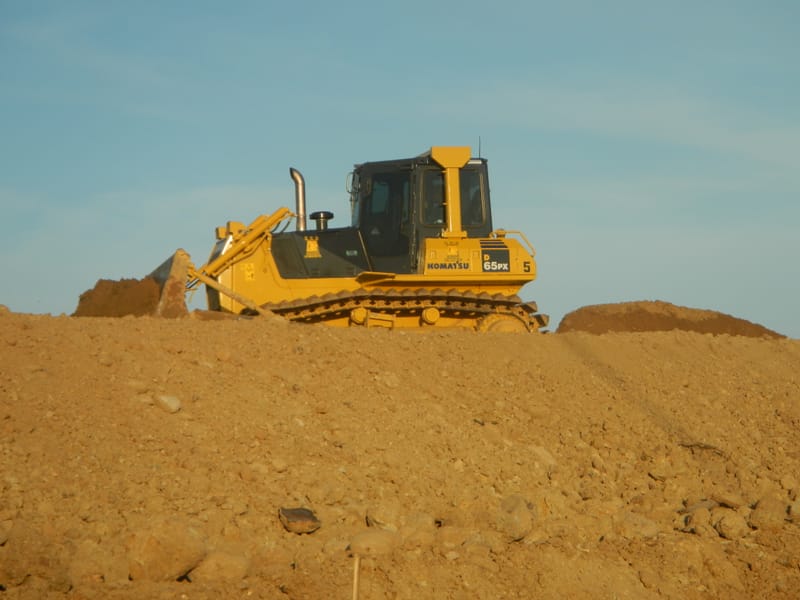
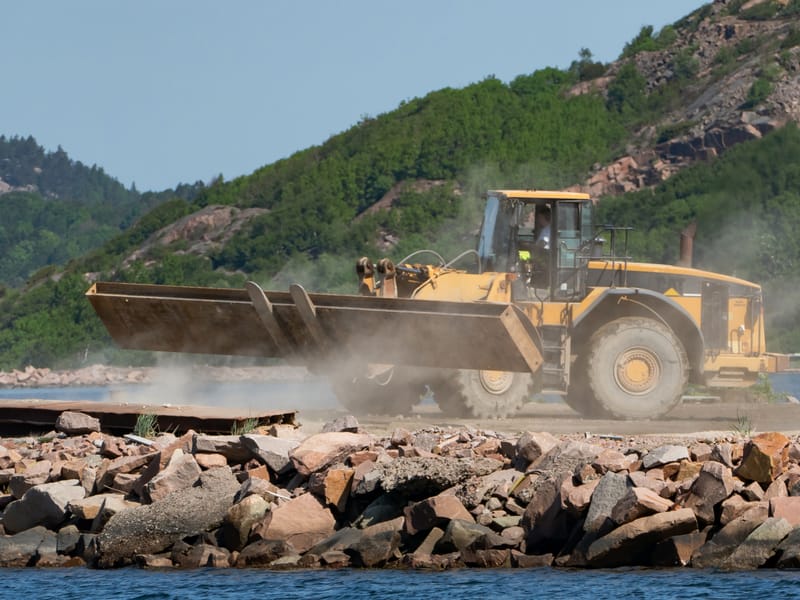
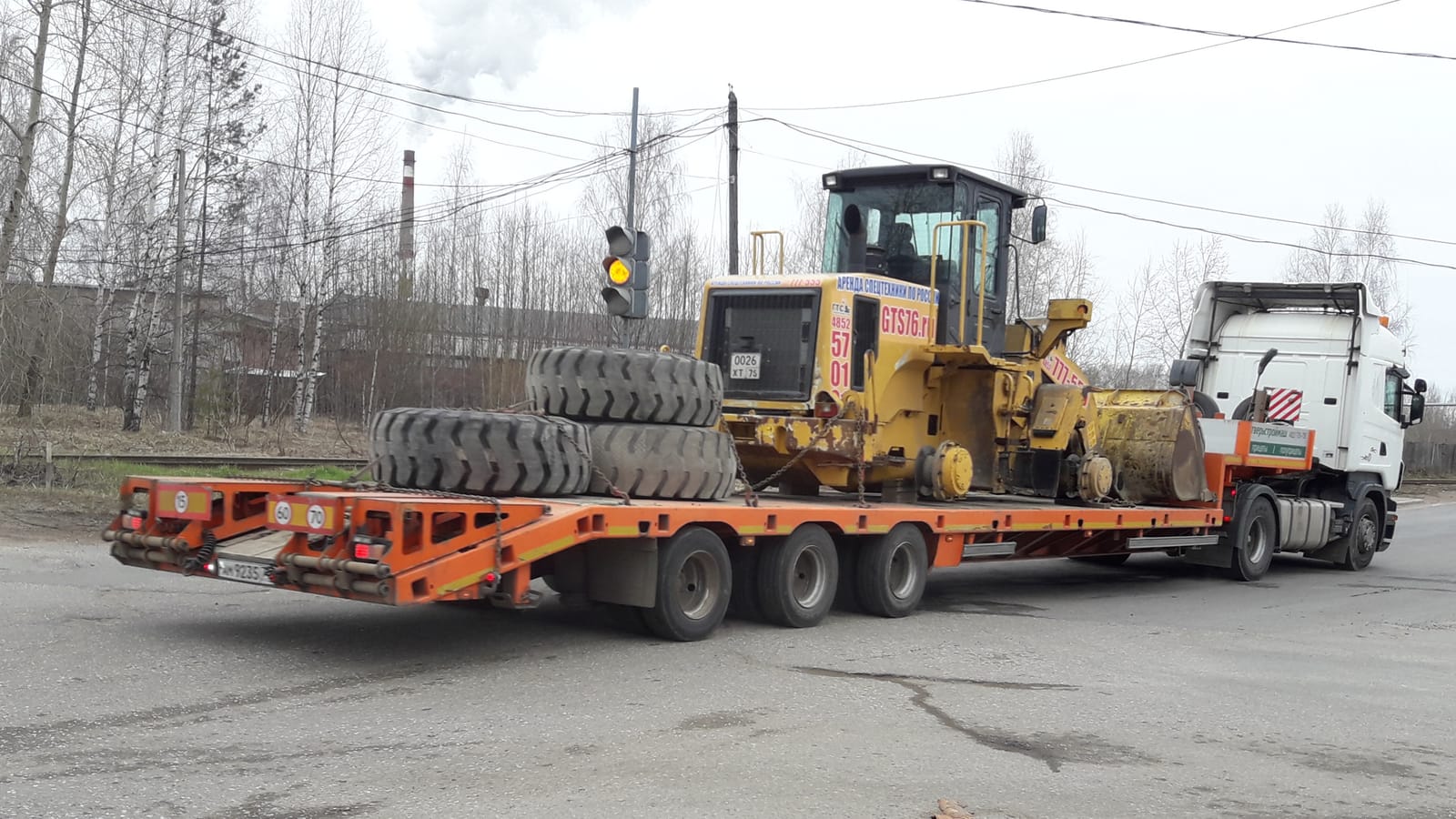
The low-bed is a semi-trailer whose deck drops twice, once after the gooseneck and once before the wheels, so the deck becomes very low compared with flat trailers and carries equipment taller than usual within the legal height limits. It is used to move heavy equipment such as the bulldozer and large industrial equipment. It has no engine, so it is pulled by a tractor head, and its life is measured in the kilometres it has covered with its head, and by the condition of its axles, brakes and gooseneck. In the Saudi market this trailer is called “lowbed” and is often confused with the “satha”; the difference is that the satha carries cars on a single truck, while the lowbed moves heavy machines.
Uses
- Moving excavators, bulldozers and wheel loaders between sites and quarries.
- Moving large industrial equipment and heavy transformers.
- Moving long-running project equipment between cities and regions.
- Moving crawler cranes.
- Moving rented equipment from the supplier to the site and back.
- Moving long or tall loads that a flat trailer cannot accommodate.
02Classes and sizes
Low-beds vary by gooseneck shape, suspension type and frame structure, and their load capacity is determined by the number of axles and the rating of each axle in the manufacturer’s bulletin and in the registration card. The reference lists the gooseneck types: fixed, hydraulically detachable, mechanically detachable, and mechanically folding.
| Class | Description | Typical use |
|---|---|---|
| Two-axle low-bed | A relatively light trailer | Medium equipment and transport inside the city. |
| Three-axle low-bed | The most requested for construction equipment | Excavators and large wheel loaders. |
| Four-axle low-bed and more | Extra axles to spread the weight | Heavier equipment and exceptional loads. |
| Fixed gooseneck | Lighter in weight and longer in deck | Loading the machine by driving up from the rear. |
| Hydraulic detachable gooseneck | The neck is lowered so the machine drives on from the front | The most versatile and the fastest to load. |
| Mechanical detachable gooseneck | Lighter and slower to detach | Specialised long journeys. |
03Main components
- 01The front neck, the fifth wheel plate area and the kingpin.
- 02The low deck and its main frame of steel beams.
- 03The axles and the small low-profile wheels.
- 04The suspension system: spring, air, hydraulic or independent.
- 05The air brake system and the air and electrical connections.
- 06The gooseneck lift cylinders and the auxiliary hydraulic unit.
- 07The rear ramps that fold or slide.
- 08The lashing points, chains and tensioners.
- 09The support legs when uncoupled from the head.
- 10The lighting, reflectors and warning boards.
04Periodic maintenance schedule
The ladder is in kilometres with a time schedule because the trailer has no meter, and the manual for the specific model sets the intervals and tasks that apply; the intervals are shorter with heavy loads and rough roads.
| Interval | Typical tasks |
|---|---|
| Daily before moving |
|
| Weekly |
|
| Every 10,000 km or per the manual |
|
| Every 20,000 km |
|
| Every 40,000 km |
|
| Every 80,000 km or annually |
|
The manufacturer’s manual governs. The actual intervals and tasks are set by the operation and maintenance manual for your machine’s model, and they are shortened in heavy dust, high heat and continuous operation. This table shows the general order only and does not replace the manual.
05Daily pre-start checklist
12 items
The general reference requires the driver to check before driving the brakes, the coupling devices, the lighting, the tyres, the wheels and rims, and the emergency equipment.
06Common operating mistakes that cause breakdowns
- Loading with an unbalanced distribution that puts one axle over its rating.
- Lashing the load with chains weaker than the machine’s weight or at points not designed for it.
- Not securing the machine’s arms and attachments, such as the bucket and the stick, in the transport position.
- Ignoring the overall height of the load with the deck when passing under bridges.
- Detaching the gooseneck on uneven ground or without support.
- Using the ramps at speed or at an angle unsuitable for the machine’s tracks.
- Neglecting to grease the fifth wheel plate, so that it wears and knocks in bends.
- Exceeding the load declared in the registration card, or doing so without the required transport permit.
07Regulatory requirements
Regulatory procedures to check when owning or operating this machine in the Kingdom.
08What to weigh when renting or buying
- The number of axles and the load rating against the heaviest machine you will move.
- The deck length and width and the ramps against your equipment.
- The gooseneck type, the ease of detaching it and the soundness of its cylinders.
- The suspension type; air suspension is gentler on the frame and the load.
- The condition of the main frame: cracks, welds and twisting.
- The condition of the axles, brakes and low-profile tyres.
- The match of the air and electrical connections to the heads in your fleet.
- When renting: whether it comes with the head and the driver, and who bears the fuel, the transport permits and the insurance on the carried machine.
Settle these factors first, then enter your own numbers in the Own vs rent calculator or the Equipment operating cost per hour calculator.
09Frequently asked questions
In the Saudi market it is called “lowbed”. The English name is in the name field above, and its name varies between English-speaking countries.
By gooseneck: fixed, hydraulically detachable, mechanically detachable and folding; by suspension: spring, air, hydraulic and independent; and by axles: two, three or more.
The low-bed is a low trailer pulled by a tractor head to move heavy equipment, while the satha is a single truck with a tilting deck to move cars.
The tareela satha is a flat trailer for goods and general loads, and the low-bed is not counted among them because it is intended for construction machines and heavy equipment with its low deck.
By driving up from the rear on the ramps with a fixed gooseneck, or by detaching the detachable gooseneck and driving up from the front over the deck. Then the arms and bucket are secured in the transport position and the machine is chained in four directions.
The fifth wheel plate, the connections, the brakes, the tyres, the gooseneck, the chains, the lashing of the load and the overall height, as in the list above.
Brake linings, axle tyres, wheel bearings, air and hydraulic hoses and lashing chains.