- Names used in Saudi Arabia
- Wheel loaderFront-end loaderLoaderShuwal (Saudi term)LowdarShuwal kafarat
- Formal name
- جرّافة تحميل بعجلات
- English name
- Wheel loader
- Family
- Heavy equipment · Digging & loading
- Measured by
- Operating hours
01Definition and uses
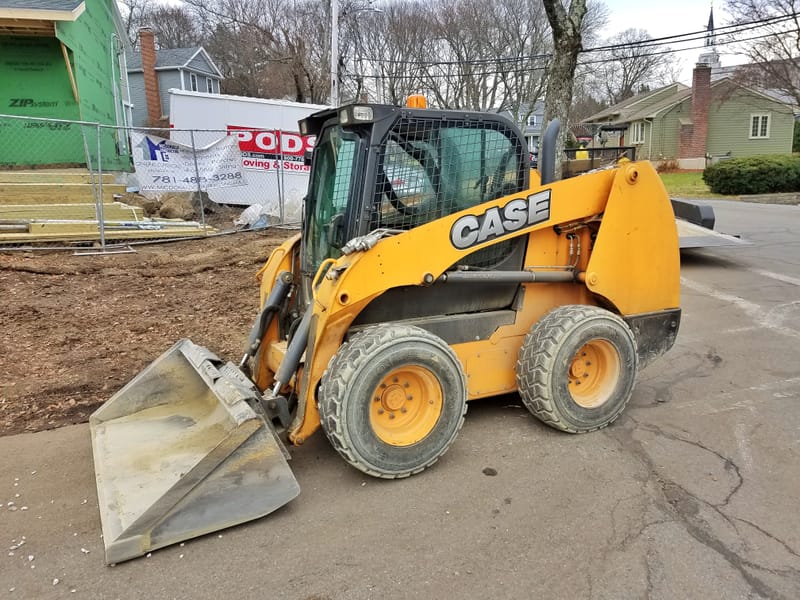
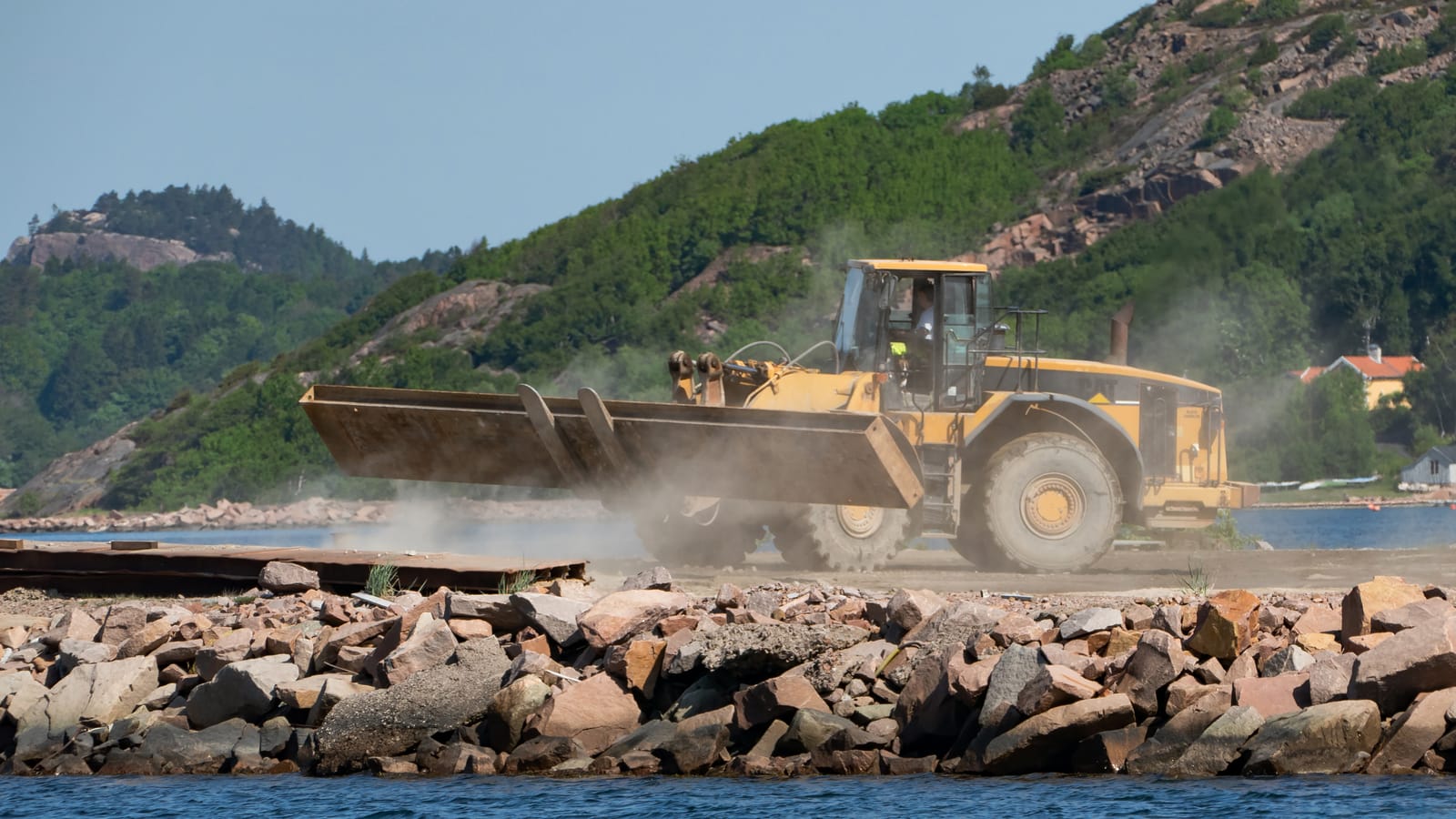
The wheel loader (“shuwal”) is a wheeled loading machine that carries a large bucket at the front on two arms raised by hydraulic cylinders, and is steered by a joint at the middle of the frame that lets the front half turn independently of the rear. Its core job is gathering loose material, carrying it short distances and loading it into trucks or crushers, and its life is measured in operating hours. In the Saudi market “shuwal” is said of the large machine and “bobcat” of the small skid-steer one, and they are two different machines.
Uses
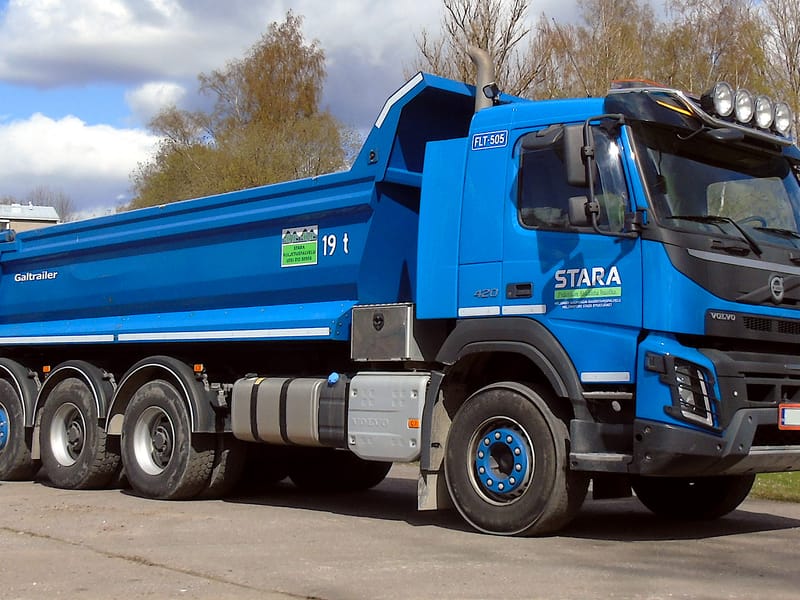
- Loading sand, aggregate and soil into dump trucks.
- Feeding crushers, central mixers and asphalt plants with material.
- Stockpiling material and moving it around yards and open storage areas.
- Cleaning sites, removing debris and light levelling of the ground.
- Handling pallets and materials with the fork attachment.
- Quarry and mining work with the larger classes.
- Carrying special buckets such as the rock bucket, the block bucket and the light-material bucket.
02Classes and sizes
The market classifies wheel loaders by bucket capacity in cubic metres, by engine power and by operating weight, and the common question “how many tonnes is the shuwal” usually means the weight of the machine or the bucket load, both of which are in the model’s specification sheet. Manufacturers list classes that work in quarries, contracting, mining and waste handling.
| Class | Description | Typical use |
|---|---|---|
| Small (“small shuwal”) | A compact machine with a small bucket for yards, warehouses and farms | Work inside cities, farms, warehouses. |
| Medium | The most widespread class in contracting for loading dump trucks | Loading trucks on sites and in small quarries. |
| Large | Quarry and mining machines with a large bucket and high power | Feeding crushers and loading large trucks. |
The usual matching is that the loader fills the truck body in a small number of buckets without spilling over, and this is what determines the right loader size for a given dump-truck fleet.
03Main components
- 01The bucket, its cutting edge, corner guards and its teeth if fitted.
- 02The lift arms, the lift and tilt cylinders and the quick coupler if fitted.
- 03The central steering joint and the steering cylinders.
- 04The engine, coolers and air filters.
- 05The hydraulic transmission, the gearbox and the front and rear axles with their differentials.
- 06The hydraulic system: pumps, control valves, tank, cooler.
- 07The large tyres and their rims, which are among the costliest consumable items.
- 08The cab, the roll-over and falling-object protective structure and the operator seat.
- 09The electrical and lighting system, the reverse camera and the alarm.
04Periodic maintenance schedule
The usual ladder; the manual for the specific model sets the intervals and tasks that apply.
| Interval | Typical tasks |
|---|---|
| Every 10 hours / daily |
|
| Every 50 hours / weekly |
|
| Every 250 hours |
|
| Every 500 hours |
|
| Every 1000 hours |
|
| Every 2000 hours |
|
The manufacturer’s manual governs. The actual intervals and tasks are set by the operation and maintenance manual for your machine’s model, and they are shortened in heavy dust, high heat and continuous operation. This table shows the general order only and does not replace the manual.
05Daily pre-start checklist
14 items
06Common operating mistakes that cause breakdowns
- Digging into the pile with the machine articulated instead of straight, which strains the joint and the axles.
- Entering the pile at high speed, which loads the transmission and the tyres and speeds up wear.
- Raising the loaded bucket high while travelling, or travelling fast on uneven ground with a raised load.
- Overloading the bucket beyond the rated capacity or using a bucket larger than specified for the model.
- Deliberately spinning the tyres on rocks, which cuts the tread.
- Neglecting tyre pressure, since under-inflation heats the tyre and ruins its sidewalls.
- Switching between forward and reverse before the machine has stopped.
- Stopping a hot engine immediately without at least two minutes of light running to cool the turbocharger.
07Regulatory requirements
Regulatory procedures to check when owning or operating this machine in the Kingdom.
08What to weigh when renting or buying
- The bucket size relative to the trucks it will load, and the nature and density of the material.
- The tyre condition and the tread remaining, since they are among the largest later costs.
- The clearance of the arm pins and the central joint, and the level of vibration when standing.
- Leaks from the cylinders, transmission and axles, and oil seeping from the axle seals.
- Transmission performance in all speeds and shifting without shuddering.
- Reading the hour meter together with the maintenance and filter record.
- The type of quick coupler and whether it matches the available attachments.
- Availability of spare parts for the brand in the area, since the demand for wheel loader spare parts is among the highest in the enquiries.
- When renting: counting hours and the daily minimum, and who bears the tyres, fuel and operator.
Settle these factors first, then enter your own numbers in the Own vs rent calculator or the Equipment operating cost per hour calculator.
09Frequently asked questions
“Shuwal” and “loader” (“lowdar”) are two common names for the same machine in the Saudi market; the English name is wheel loader.
The wheel loader is a large machine with a central steering joint and a wide bucket for heavy loading, while the bobcat is a small skid-steer machine that turns by the difference in speed between its wheels and is distinguished by its many attachments in tight spaces.
The classes range from small machines to large mining machines, and the machine weight and bucket load for each model are in the specification sheet; what matters operationally is matching the bucket size to the load of the trucks it loads.
By size: small, medium and large; by use, manufacturers list quarry, contracting, mining and waste-handling classes.
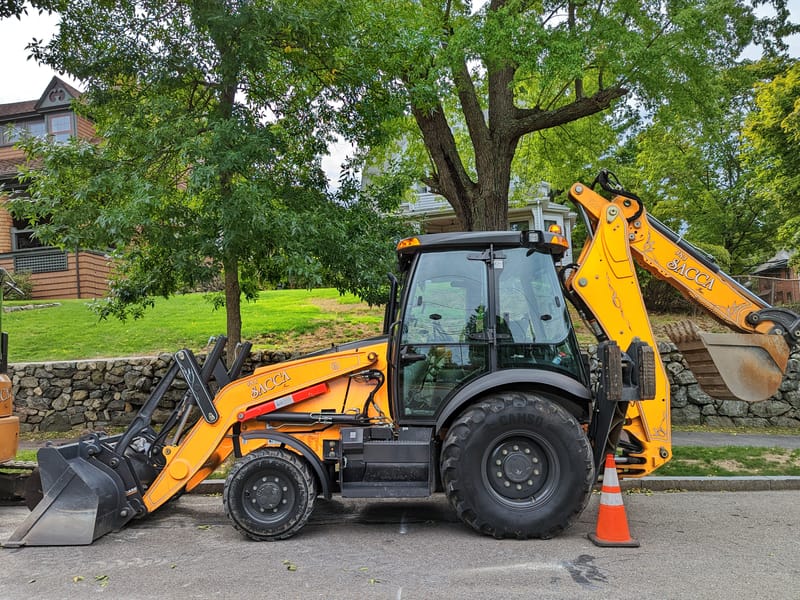
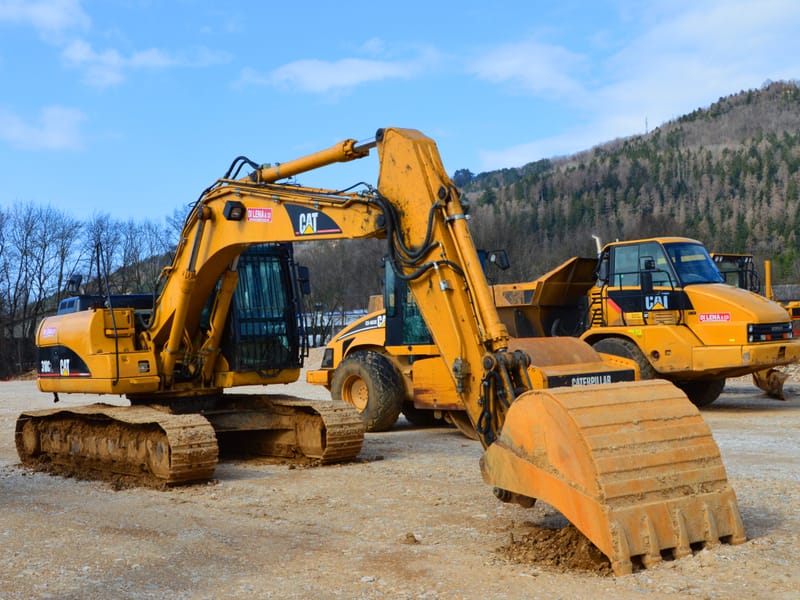
The wheel loader is a loading machine for loose material, not a digging machine; digging in hard ground strains the joint, the axles and the arms, and the suitable machine for digging is the excavator or the backhoe.
Because of spinning on rocks, incorrect inflation, travelling fast on sharp ground, and constantly loading one side.
When its wear reaches the limit set by the manufacturer before it reaches the bucket’s base edge, since wear of the base edge weakens the whole bucket and costs a great deal to repair.
The oils, leaks, tyres, cutting edge, arm pins, coolers, brakes and alarms, as in the list above.