- Names used in Saudi Arabia
- Mobile craneCraneCrawler craneKreen (Saudi term)Kreen mutaharrikWanchRafi‘a
- Formal name
- رافعة متحركة
- English name
- Mobile crane
- Family
- Heavy equipment · Cranes
- Measured by
- Hours and kilometres
01Definition and uses
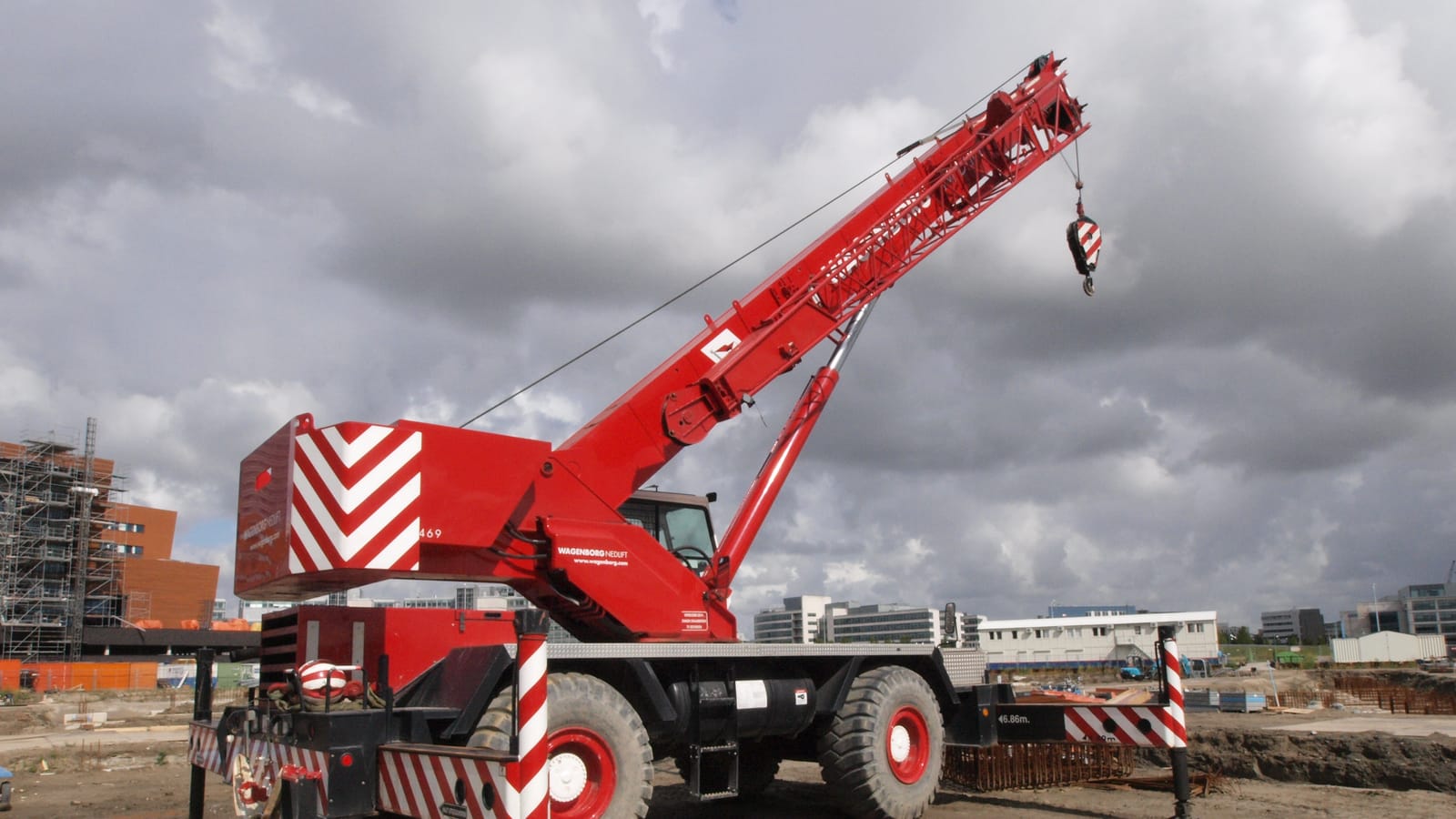
The mobile crane is a lifting machine that carries a telescopic or lattice boom on a mobile carrier with wheels or tracks, and lifts loads with a wire rope wound on a drum and hanging from a hook, and it usually rests on side legs, the “outriggers”, when working. Lifting capacity is not a single number but a table that changes with the radius, the boom length and the support configuration. The life of a model that travels on roads is measured in kilometres for the chassis and in hours for the crane.
Uses
- Lifting structural elements, precast concrete and steel on construction sites.
- Installing industrial equipment in factories and refineries.
- Loading and unloading heavy equipment and containers.
- Maintenance work on wind turbines, towers and tall structures.
- Working in mines and quarries on rough ground with the model designed for it.
- Lifting loads inside warehouses and yards with the small models.
02Classes and sizes
The market classifies cranes by maximum lifting capacity in tonnes, which appears in the enquiries “50-tonne crane” and “100-tonne crane”, but this number is the capacity at the smallest radius and the shortest boom, and it falls a great deal as the load moves further out, so the value that applies is the load chart for the specific model and configuration.
| Class | Description | Typical use |
|---|---|---|
| Truck-mounted crane | A crane mounted on a commercial truck chassis that travels on roads at speed | Moving between distant sites and medium lifting. |
| All-terrain crane | A special multi-axle chassis that travels on the road and works on site | The most widespread class in mobile heavy lifting. |
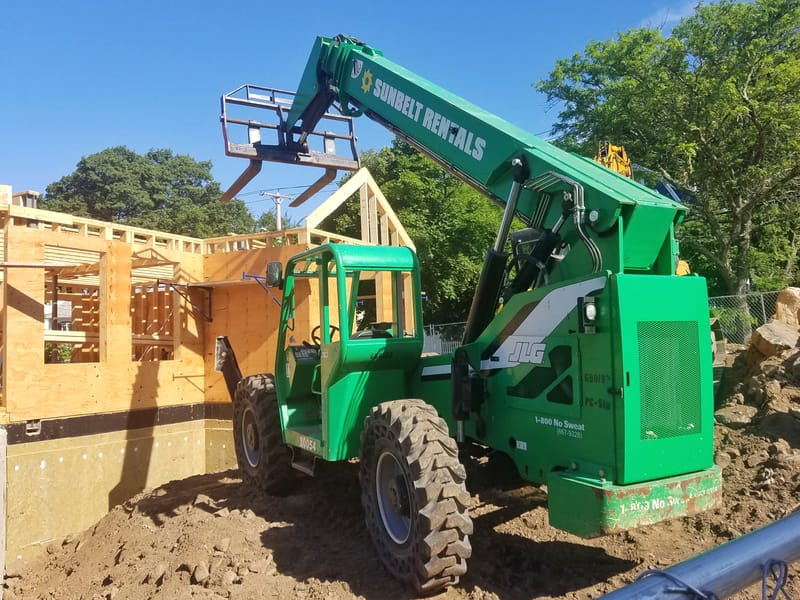
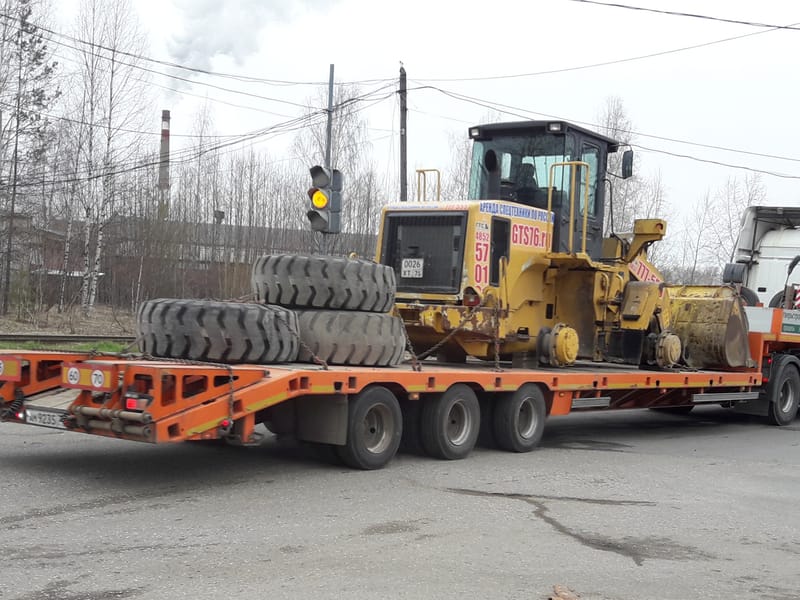
| Rough-terrain crane | A short frame with four large wheels and a single cab, transported to the site on a low-bed | Rough sites, refineries and mines; one of the manufacturers lists models with capacities from ninety to one hundred and thirty tonnes in this class. |
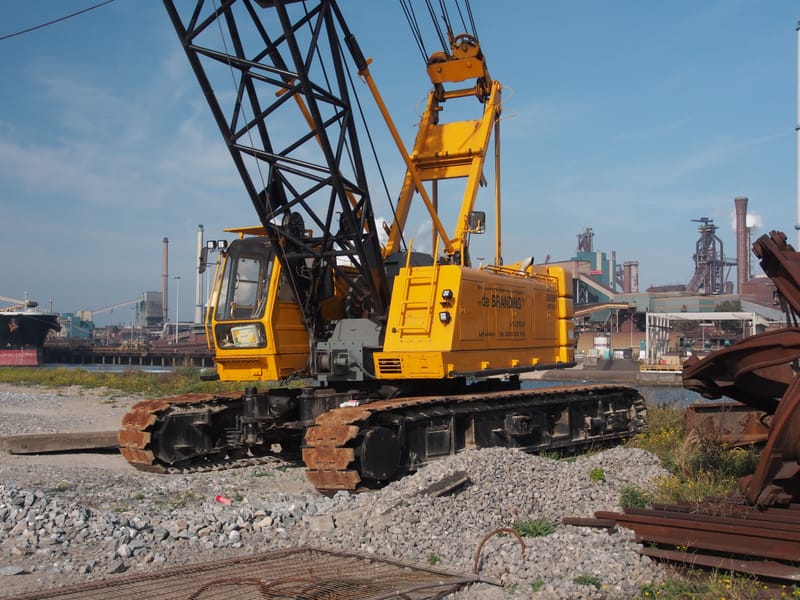
| Crawler crane (“kreen janzeer”) | On tracks, usually with a lattice boom, moving with the load inside the site | Long projects and very large loads. |
| Small crane | Compact or small crawler cranes | Tight and indoor spaces. |
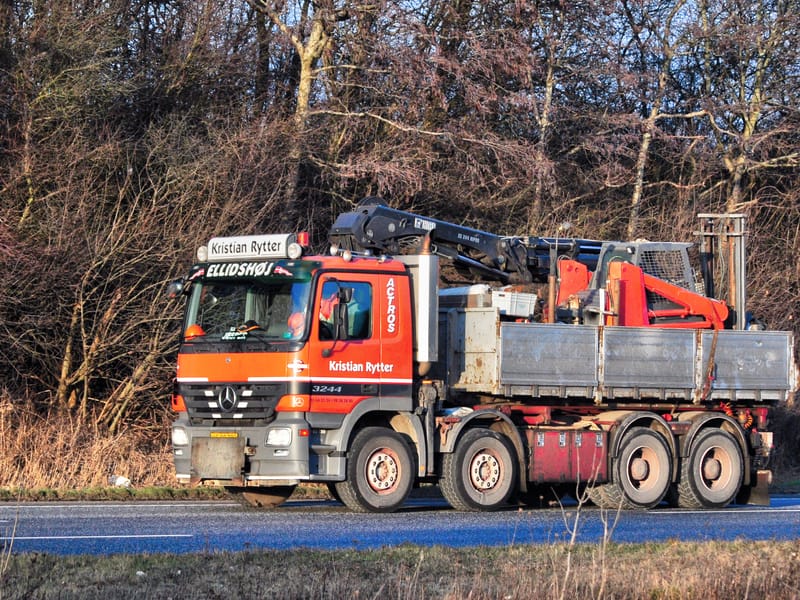
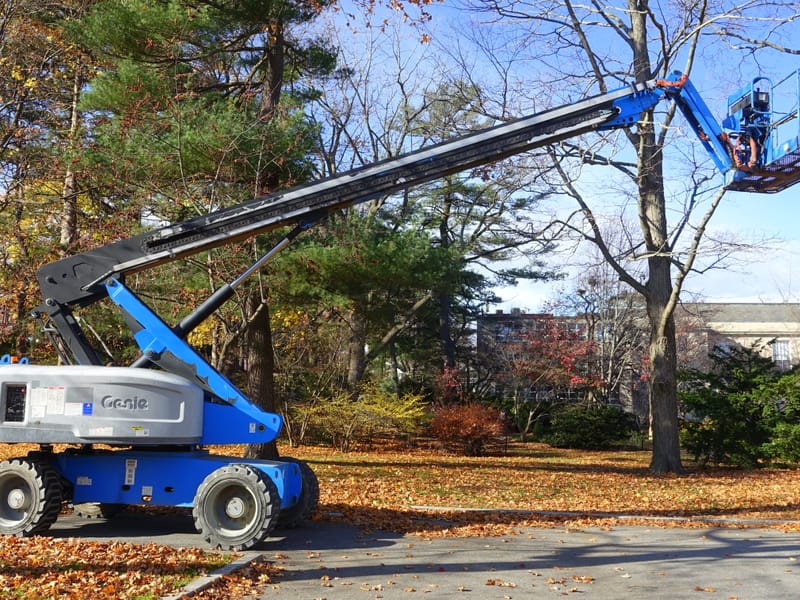
| Truck with a crane (“boom truck”) | An articulated or telescopic crane on a truck to load its own cargo | Delivery and self-loading, and treated in the market as a separate category. |
03Main components
- 01The carrier chassis with its axles, steering and suspension.
- 02The rotating upper structure, the slew bearing and the counterweight.
- 03The telescopic boom with its sections, or the lattice boom, and the additional extension jib.
- 04The wire-rope hoists: the drum, the wire rope, the sheaves, and the hook and its latch.
- 05The side outriggers, the support pads and their cylinders.
- 06The hydraulic system and the upper structure engine.
- 07The operator cab, the load moment indicator system, the load limiter and the load chart software.
- 08Safety devices: the anti-two-block device, the tilt indicator, the boom angle indicator, the wind alarm.
04Periodic maintenance schedule
The crane has two systems: a chassis maintained by kilometres like a truck, and a crane maintained by hours. The following ladder is usual, and the manual for the specific model sets the intervals and tasks that apply.
| Interval | Typical tasks |
|---|---|
| Every 10 hours / daily |
|
| Every 50 hours / weekly |
|
| Every 250 hours |
|
| Every 500 hours |
|
| Every 1000 hours |
|
| Every 2000 hours |
|
| Annually |
|
In addition, full periodic inspections of lifting equipment are carried out by a competent person independent of routine maintenance.
The manufacturer’s manual governs. The actual intervals and tasks are set by the operation and maintenance manual for your machine’s model, and they are shortened in heavy dust, high heat and continuous operation. This table shows the general order only and does not replace the manual.
05Daily pre-start checklist
15 items
The visual inspection list before every shift, by a competent person, without dismantling, as a minimum:
06Common operating mistakes that cause breakdowns
- Lifting with a support configuration different from the one entered in the software, or exceeding the load limiter by disabling it.
- Side-loading or dragging loads horizontally, which strains the boom and the slew bearing.
- Resting on soft ground or buried pits without adequate pads, so a leg settles and the crane tilts.
- Letting the hook strike the boom head (“two-blocking”) by bypassing the anti-two-block device.
- Winding the wire rope unevenly on the drum, or operating with broken wires above the rejection limit.
- Travelling on the road with the boom unsecured or the legs not locked.
- Telescoping with the load beyond what the load chart allows.
- Neglecting to grease the boom sections so the slides wear and the extension shakes.
07Regulatory requirements
Regulatory procedures to check when owning or operating this machine in the Kingdom.
08What to weigh when renting or buying
- Studying the lift first: load weight, radius, height, obstructions, then choosing the crane from the load chart and not from the nominal tonnage.
- The chassis type according to the road to the site and the ground there.
- The valid inspection certificate for the crane and for the ropes, hooks and attachments.
- The condition of the wire rope, hook, sheaves and slew bearing.
- Leaks in the telescope and outrigger cylinders, and the steadiness of the boom under load.
- The load limiter, moment indicator and safety devices working with no bypass.
- The record of hours, kilometres, maintenance and annual inspections.
- When renting: whether the contract is with an operator and a rigger, who bears transport, permits and insurance, and how hours and the minimum are counted.
Settle these factors first, then enter your own numbers in the Own vs rent calculator or the Equipment operating cost per hour calculator.
09Frequently asked questions
“Kreen”, “wanch” and “rafi‘a” are used in the market for one machine, although “wanch” is also applied to the cable winding device alone.
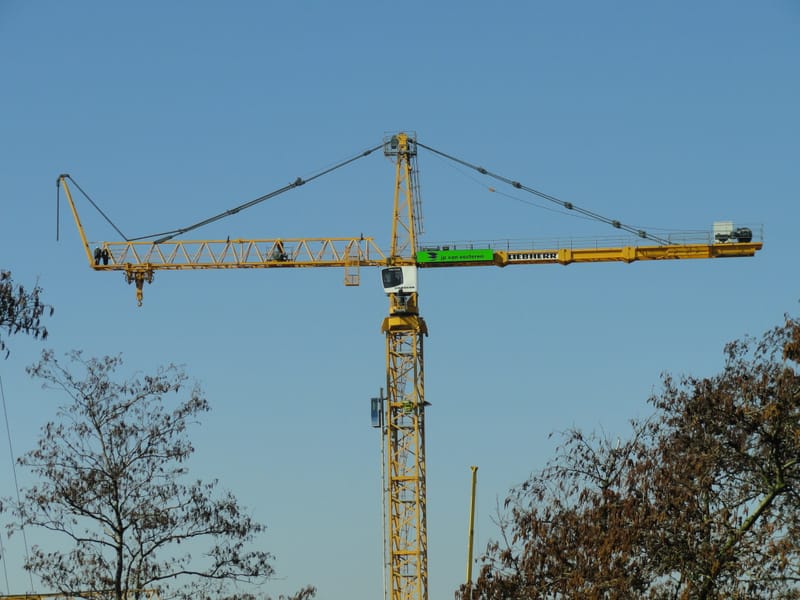
The truck-mounted crane, the all-terrain crane, the rough-terrain crane, the crawler crane, small cranes, and the truck with a crane (“boom truck”); the fixed tower crane is different from these.
No; the number is the maximum capacity at the shortest boom, the smallest radius and the fullest support, and the actual capacity falls a great deal as the load moves further out or the boom lengthens; the reference is the load chart for the model and the configuration.
A visual inspection before every shift, a documented monthly inspection of the same items, and a full annual inspection by a qualified person, with the records kept.
Exceeding the load chart, ground settling under a support leg, incomplete support, wind, and side or dynamic loading of the load.
Operating cranes requires training and qualification, and the Saudi regulatory requirement is named in the requirements section above, with its details still under verification.
When the number of broken wires, the wear or the deformation reaches the rejection criterion set by the manufacturer and the reference standards; the rope is inspected every shift and by measurement in the periodic inspections.
The boom truck is a commercial truck with a crane to load and unload its own cargo, while the crane is a dedicated lifting machine with load charts and full support for structural lifting work.