- Names used in Saudi Arabia
- Road rollerRoller compactorCompaction rollerSmooth drum rollerRassasa (Saudi term)MidhalaAsphalt rollerHand-operated roller
- Formal name
- مدحلة دمك
- English name
- Road roller (compactor)
- Family
- Heavy equipment · Roads & compaction
- Measured by
- Operating hours
01Definition and uses
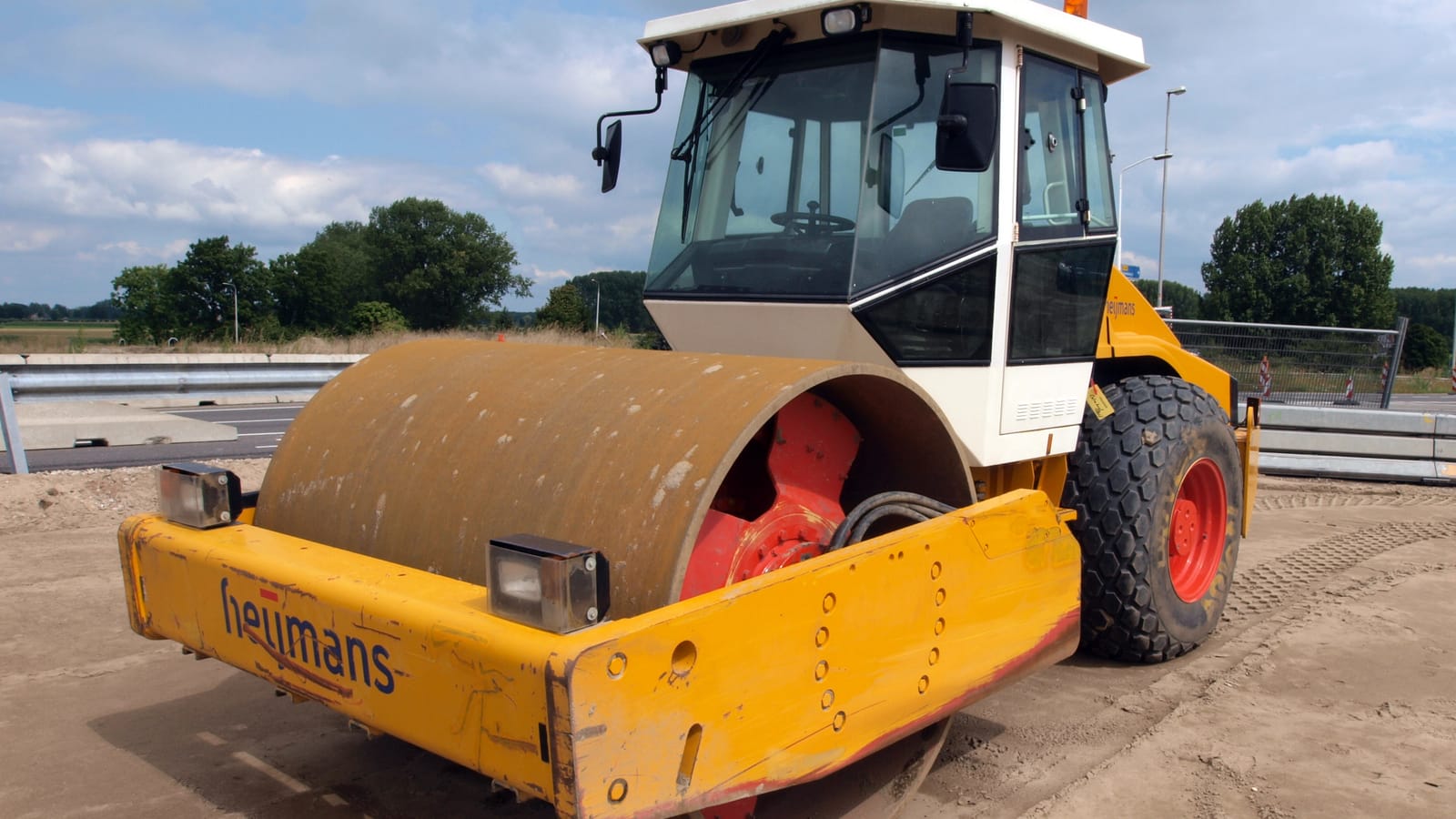
The road roller is a construction vehicle of the compaction class that presses soil, gravel, concrete and asphalt in the construction of roads and foundations, and it is also used in landfills and in agriculture. Its effectiveness depends on its weight, or on the vibration that gives a small machine the performance of a heavier one. Today it mostly runs on diesel. Its life is measured in operating hours, since it is a site machine and not a road vehicle. In the Saudi market it is called “rassasa” and “midhala” with no difference, and the type is often added to the name, as in “rassasa asfalt” (asphalt roller) or “rassasa yadawiyya” (hand-operated roller).
Uses
- Initial compaction of the soil layer using a padfoot drum.
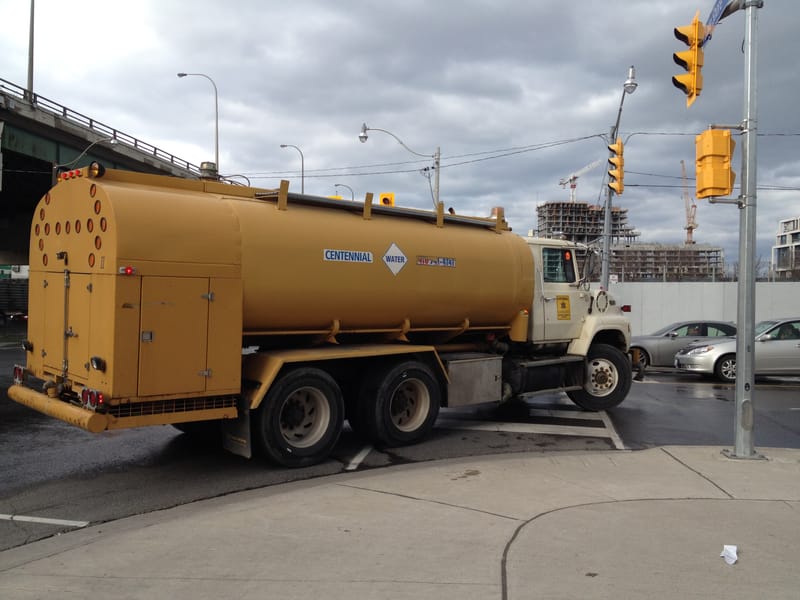
- Levelling the road base course with a smooth drum together with the grader and the water tanker.
- Compacting the final asphalt layer after the paver with two smooth drums or with tyres.
- Sealing the surface with pneumatic tyres using the kneading action.
- Compacting landfill layers.
- Compacting floors and foundations before pouring on construction projects.
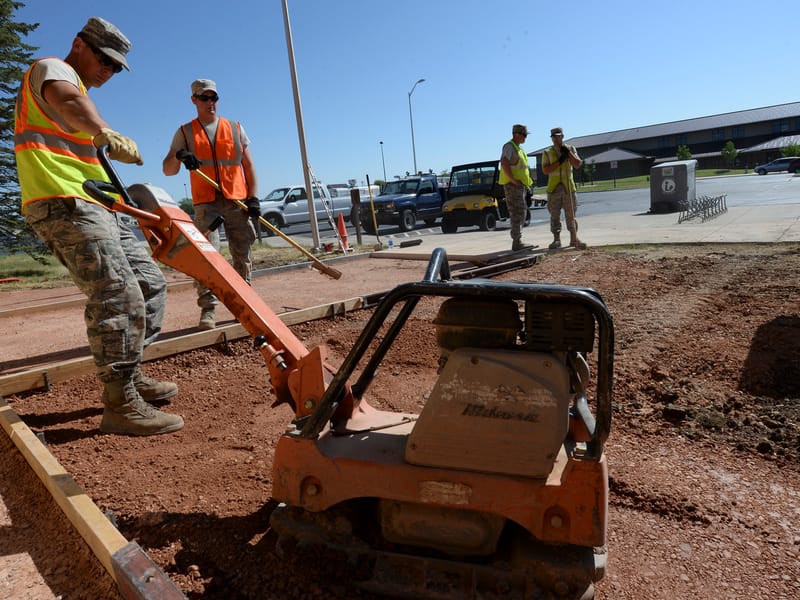
- Repairing potholes and road cuts with small hand-operated rollers.
- Internal road works for farms, factories and parking areas.
02Classes and sizes
The reference states that a roller may be hand-operated at about forty-five kilograms, or ride-on at up to twenty tonnes, and that the landfill unit may reach fifty-four tonnes; drum widths range between about 61 and 213 centimetres. The common question “how many tonnes is the rassasa” is answered in the model’s bulletin.
| Class | Description | Typical use |
|---|---|---|
| Hand-operated | Driven by a person walking behind it, with one or two drums | Narrow trenches, road cuts and small areas. |
| Two smooth drums | Two drums in tandem, static or vibratory | Asphalt and thin layers. |
| Single smooth drum | A front drum and rear wheels | Soil and the road base course. |
| Padfoot drum | A drum with projections that press the soil harder | Initial compaction and landfills. |
| Pneumatic tyres | Two staggered rows of tyres | Sealing the surface with the kneading action. |
| Combination | A steel drum with a row of tyres | Varied tasks. |
| Three-point | An old design close to the steam roller | Still works on asphalt, but the two vibratory drums have mostly replaced it. |
03Main components
- 01The steel drum, its shell and its rings.
- 02The vibration system, usually a hydraulic motor with an eccentric weight inside the drum.
- 03Adjusting the vibration amplitude with a second weight that can be rotated.
- 04The spray system and water tanks to stop asphalt sticking to the drum.
- 05The scrapers on the drum.
- 06The pneumatic tyres in the model that has them.
- 07The diesel engine, the coolers and the air filter.
- 08The hydrostatic drive system and the drive motors.
- 09The articulation or steering system and the operator seat.
- 10The protective structure, the cab or canopy and the seat belt.
04Periodic maintenance schedule
The usual ladder, and the manual for the specific model sets the intervals and tasks that apply; the intervals are shorter with hot asphalt and dust.
| Interval | Typical tasks |
|---|---|
| Every 10 hours / daily |
|
| Every 50 hours / weekly |
|
| Every 250 hours |
|
| Every 500 hours |
|
| Every 1000 hours |
|
| Every 2000 hours |
|
The manufacturer’s manual governs. The actual intervals and tasks are set by the operation and maintenance manual for your machine’s model, and they are shortened in heavy dust, high heat and continuous operation. This table shows the general order only and does not replace the manual.
05Daily pre-start checklist
14 items
The compaction equipment rules in the reference cover rollers, and require a horn that can be heard over the work noise and that works in both directions, a seat belt, and a reverse alarm where rear visibility is blocked.
06Common operating mistakes that cause breakdowns
- Running the vibration while the machine is stationary, so the drum sinks and the layer is distorted.
- Stopping on hot asphalt or turning sharply on it.
- Vibrating near structures or buried services without a study.
- Leaving the spray nozzles blocked, so asphalt sticks to the drum.
- Changing direction sharply and at speed, which affects the layer and the drive motor.
- Moving the machine between sites with its drum full of ballast water, although emptying it lightens the machine and makes it easier to transport.
- Operating on a sharp side slope, which overturns the machine.
- Delaying replacement of the scrapers until they scratch the drum surface.
07Regulatory requirements
Regulatory procedures to check when owning or operating this machine in the Kingdom.
08What to weigh when renting or buying
- The drum type against the job: asphalt or soil, smooth or padfoot.
- The operating weight and the drum width according to the site.
- The condition of the drum, its surface, its rings and the vibration bearings.
- The working of the vibration at both amplitudes and hydraulic leaks.
- The spray system, the scrapers and the soundness of the tank.
- The condition of the pneumatic tyres, if any, and their equal pressure.
- The hour-meter reading with the maintenance record.
- Moving the machine itself: whether it needs a low-bed and a permit according to its weight.
- When renting: how hours are counted and the minimum, and who bears the fuel, the operator and the transport of the equipment.
Settle these factors first, then enter your own numbers in the Own vs rent calculator or the Equipment operating cost per hour calculator.
09Frequently asked questions
In the Saudi market it is called “rassasa” or “midhala”. The English name is in the name field above, and it has a short form used on site.
Hand-operated and ride-on; the ride-on is smooth with one or two drums, or padfoot for soil, or with pneumatic tyres, or a combination.
It ranges from a light hand-operated one to a ride-on of tens of tonnes, and the actual weight of the model is in its bulletin; what matters in operation is that the weight suits the thickness of the layer and the type of material.
The smooth two-drum roller or the pneumatic tyre roller for the final seal, and the modern vibratory one is the usual choice.
The static one relies on its weight alone, while the vibratory one adds a vibration force from the inside, so it compacts the layer more deeply for less weight.
A compactor driven by a person walking behind it for narrow trench work and small areas.
The scrapers, the vibration bearings, the vibration motor, the spray nozzles and the hydraulic hoses.