- Names used in Saudi Arabia
- Company fleet vehiclesCompany carsFleet vehicleVehicle fleetSayyarat shirkat (Saudi term)Sayyara
- Formal name
- مركبة خفيفة لأسطول المنشأة
- English name
- Company fleet car
- Family
- Vehicles · Light vehicles
- Measured by
- Kilometres
01Definition and uses
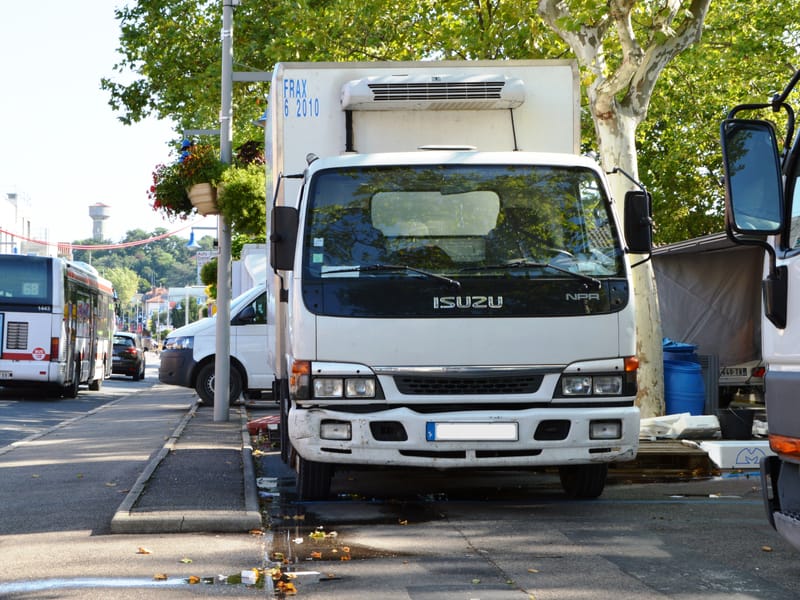
A fleet vehicle is a vehicle that is owned or leased by an establishment or a government body rather than owned by an individual or a family, for example the vehicles of car rental companies, taxis, public utilities, public transport and emergency services. Establishments buy or lease these vehicles to deliver goods to customers and to move sales representatives to their clients. They are measured in kilometres and are usually managed by a fleet manager or a transport officer with fleet management software. In the Saudi market the phrase “sayyarat shirkat” has two meanings: the company’s own fleet, and the cars that companies sell after they leave their fleet.
Uses
- Travel for management, sales and field visits.
- Delivery and moving parcels and light supplies to customers.
- Moving employees between offices and projects.
- Maintenance and installation teams travelling with their crews and tools.
- Emergency, security and ambulance services in the bodies that own them.
- Leasing to individuals and companies by rental companies.
- Supervision vehicles for sites and long projects.
- Security teams and supervisors travelling between branches in distant regions.
02Classes and sizes
Fleet vehicles are classified by role, not by load: what serves management and sales differs from what serves sites, staff transport and delivery, and the choice follows the nature of the roads, the number of passengers and the nature of the load.
| Class | Description | Typical role in the fleet |
|---|---|---|
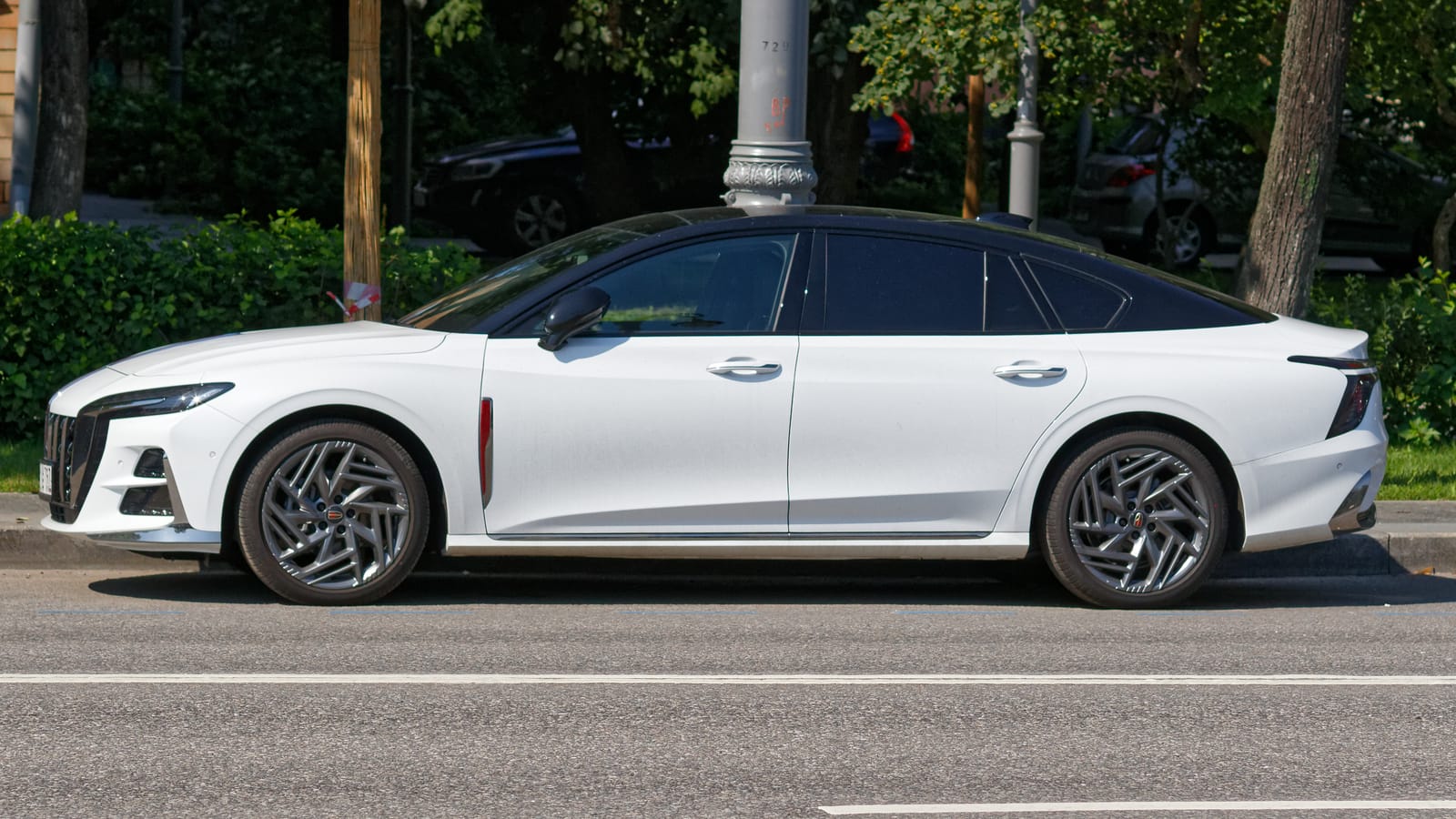
| Sedan | A four-door passenger vehicle with an enclosed cabin | Management and sales travel within and between cities. |
| Four-wheel drive | A raised vehicle with four-wheel or front-wheel drive | Site supervision and unpaved roads. |
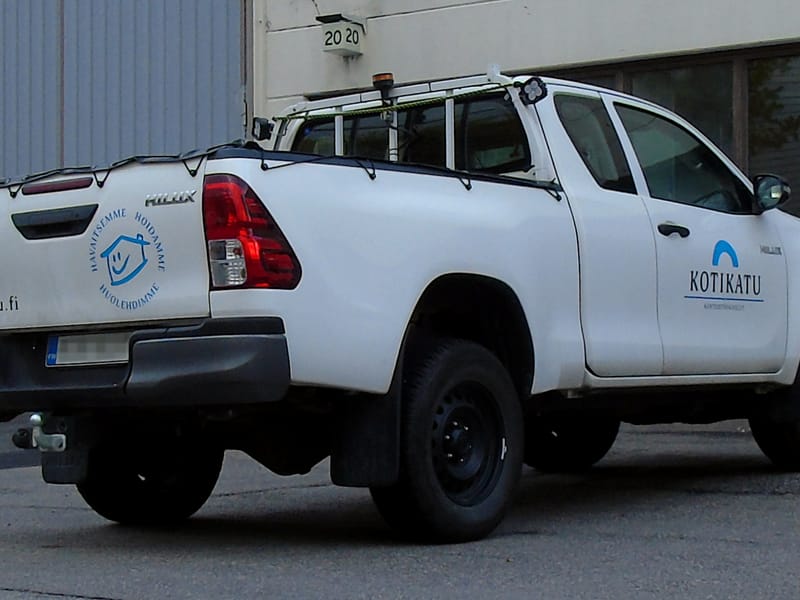
| Pickup | A vehicle with an open rear bed | Construction sites, tools and light transport. |
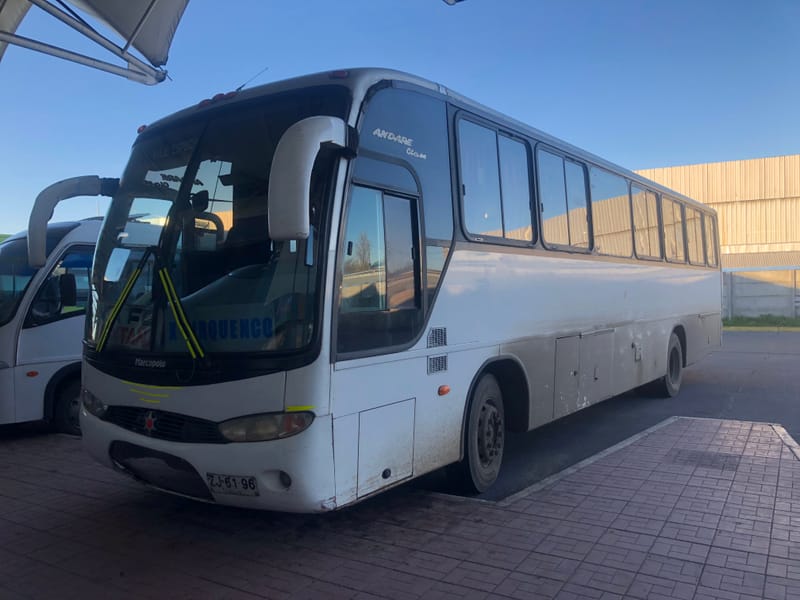
| Passenger van | A vehicle with seats for a larger number | Moving employees and teams between sites. |
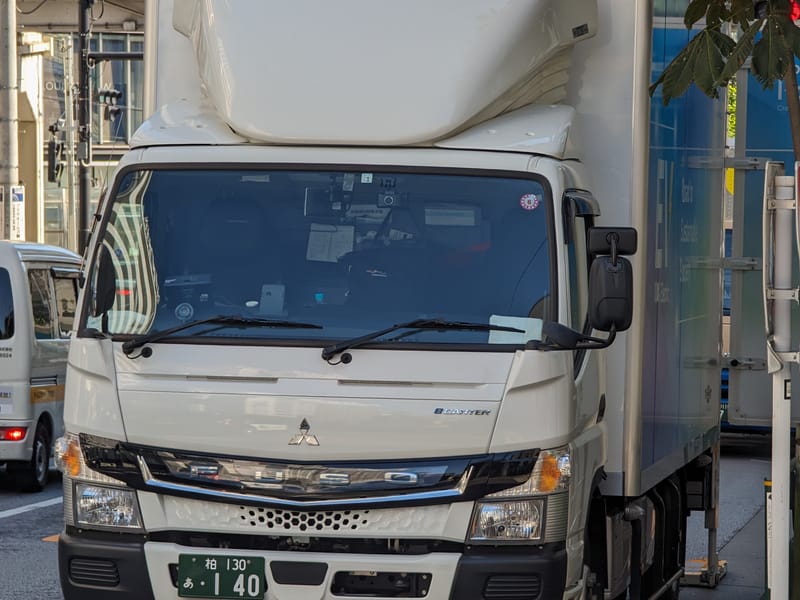
| Cargo van | A vehicle with an enclosed load space | Delivery and field services. |
| Specialised light vehicle | Equipped for a specific job such as an ambulance | Emergency and technical services. |
03Main components
- 01The engine and the cooling and lubrication systems.
- 02The transmission and the clutch or the automatic gearbox.
- 03The brake system with its linings, discs and fluid.
- 04The steering, the suspension and the shock absorbers.
- 05The tyres and rims.
- 06The battery, the electrical system and the lighting.
- 07The air conditioning and the cabin filter.
- 08The seat belts and the airbags.
- 09The tracking system or the telematics devices, if fitted.
- 10The fuel card, the documents and the emergency equipment.
04Periodic maintenance schedule
Light-vehicle maintenance is built on kilometres with a time limit, so the intervals shorten in extreme heat, dust, repeated loads and stop-start driving in cities. The following ladder is the usual one, and the vehicle’s manual in the manufacturer’s handbook sets the intervals and tasks that apply.
| Interval | Typical tasks |
|---|---|
| Daily before moving |
|
| Weekly |
|
| Every 5,000 to 10,000 km |
|
| Every 20,000 km |
|
| Every 40,000 km |
|
| Every 80,000 km or annually |
|
The manufacturer’s manual governs. The actual intervals and tasks are set by the operation and maintenance manual for your machine’s model, and they are shortened in heavy dust, high heat and continuous operation. This table shows the general order only and does not replace the manual.
05Daily pre-start checklist
13 items
The general reference for commercial transport vehicles requires the driver, before driving, to check the brakes, the parking brake, the steering, the lighting, the tyres, the horn, the wipers, the mirrors and the emergency equipment, and it serves as a standard for the fleet driver.
06Common operating mistakes that cause breakdowns
- Ignoring the warning lights on the panel until the alert becomes a failure.
- Delaying the oil change past its due date because of workload.
- Driving on under-inflated or mismatched tyres.
- Loading the vehicle above its declared load, especially the pickup and the van.
- Hard acceleration and sudden braking, which wear out linings and tyres quickly.
- Leaving the engine running for a long time without need.
- Using the vehicle outside its registered purpose or by a driver who is not authorised.
- Not reporting a minor accident or a small fault in time, so that it grows and costs more.
07Regulatory requirements
Regulatory procedures to check when owning or operating this machine in the Kingdom.
- Periodic technical vehicle inspection
- Renewing the vehicle registration (istimara)
08What to weigh when renting or buying
- Matching the class to the role: sedan, four-wheel drive, pickup or van according to the roads and the load.
- The registration card, the insurance and the soundness of ownership when buying used.
- The odometer reading together with the full maintenance record at a known dealer or workshop.
- The condition of the body and paint, since the traces of previous accidents show in the gaps and the paint mismatch.
- The condition of the tyres, brakes, suspension and transmission.
- Availability of spare parts and maintenance at the dealer in the cities where you work.
- In operating lease of the fleet: who bears the maintenance, the insurance, the tyres, the violations and the replacement vehicle during a breakdown.
- For a large fleet: tracking capability, fuel cards, driver reports and the violations record.
- The age of the vehicle and its expected kilometres at sale, since they determine its value on leaving the fleet.
Settle these factors first, then enter your own numbers in the Own vs rent calculator or the Equipment operating cost per hour calculator.
09Frequently asked questions
Vehicles that an establishment owns or leases for its work rather than being owned by an individual. The expression is also used in advertisements for the cars that companies sell after using them in their fleet, and when buying them it is necessary to verify the maintenance and ownership record.
With a fleet officer and fleet management software, then a record for each vehicle that includes the registration card, the insurance, the kilometres, the maintenance, the driver and the violations.
Sedans for management, four-wheel drives for sites and supervision, pickups for light work, and vans for passengers or goods.
Changing oils and filters and inspecting the brakes and tyres at kilometre and time intervals, and following them with an automatic reminder instead of relying on memory.
Ownership means bearing the maintenance and the value at sale, and leasing transfers part of it to the lessor according to the contract; the choice is made on your own operating data, not on a general rule.
The maintenance record, the kilometres, the condition of the body, the accident history, the engine, the transmission, the tyres and the registration card.
The registration card, the insurance, the driver’s licence, the fuel card and the assignment memo if required.
By matching every refill with the vehicle, the kilometres and the amount, then spotting abnormal cases.