- Names used in Saudi Arabia
- Tractor headTractor unitPrime moverTruck headSemi-trailer truckTareela (Saudi term)Flatbed trailer (tareela sattaha)Curtain-side trailer (tareela sitara)Side-wall trailer (tareela jawanib)
- Formal name
- رأس قاطر مع نصف مقطورة
- English name
- Tractor head with semi-trailer
- Family
- Trucks & trailers · Trucks
- Measured by
- Kilometres
01Definition and uses
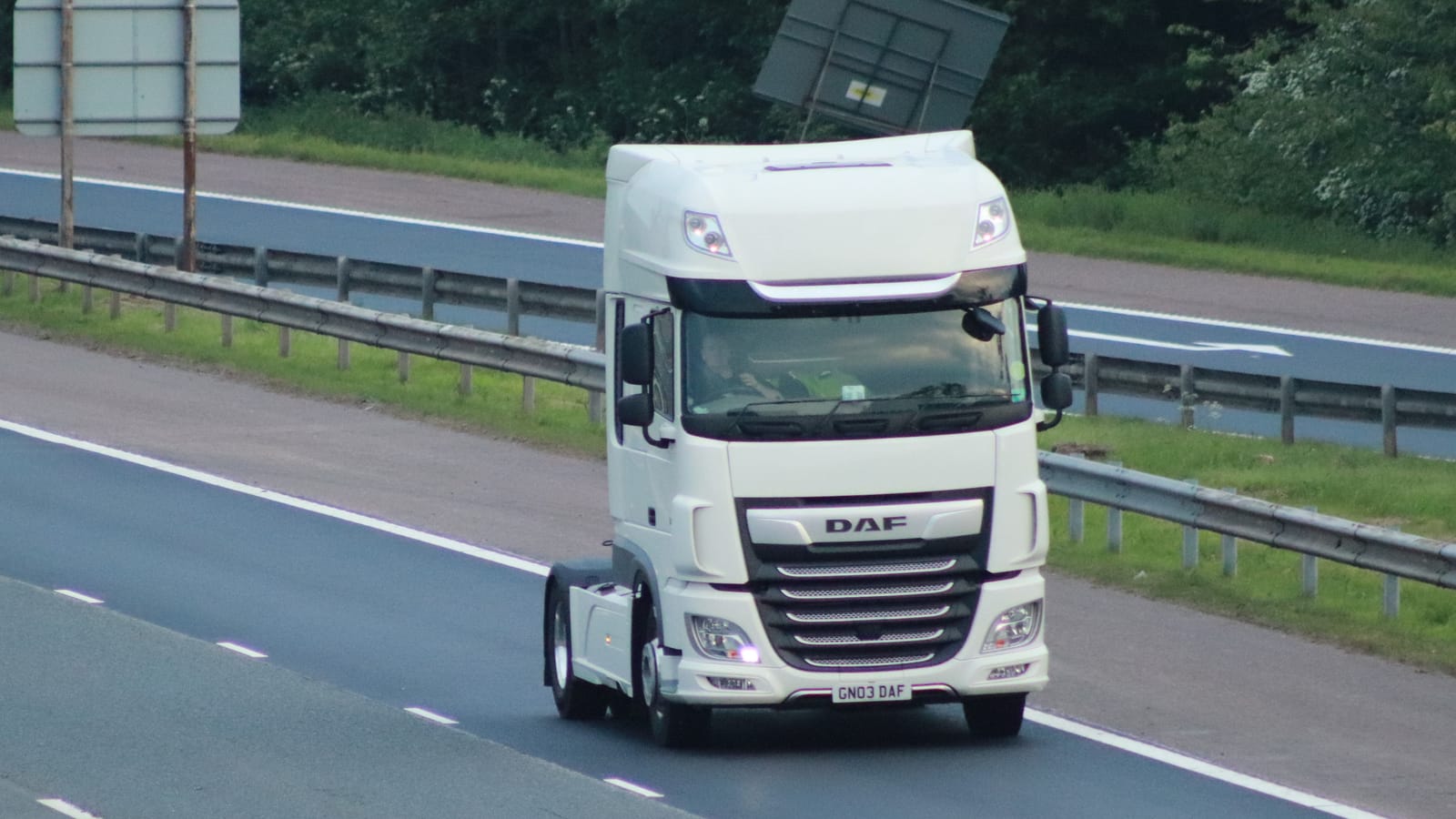
The “tareela” in the Saudi market is the name for a combination of a tractor head, which is a short truck without a body that carries a fifth wheel on its back, and a semi-trailer that rests its front on that fifth wheel and carries the load. The head is measured in kilometres and maintained like a heavy truck, while the semi-trailer is a separate asset with its own registration, inspection, tyres and brakes, and the two can be separated and swapped. In enquiries the word is applied to the whole combination or to the semi-trailer alone: “tareela sattaha” (flatbed), “tareela sitara” (curtain-side), “tareela qallab” (tipper).
Uses
- Inter-city haulage of general cargo on a flat or side-wall semi-trailer.
- Carrying containers on a container chassis.
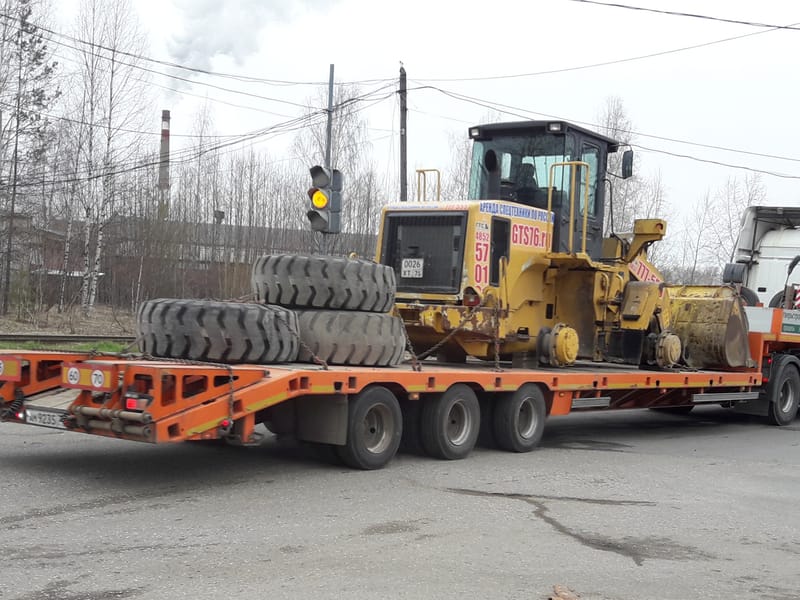
- Carrying heavy equipment on the low-bed.
- Carrying building materials and aggregate on a tipping semi-trailer.
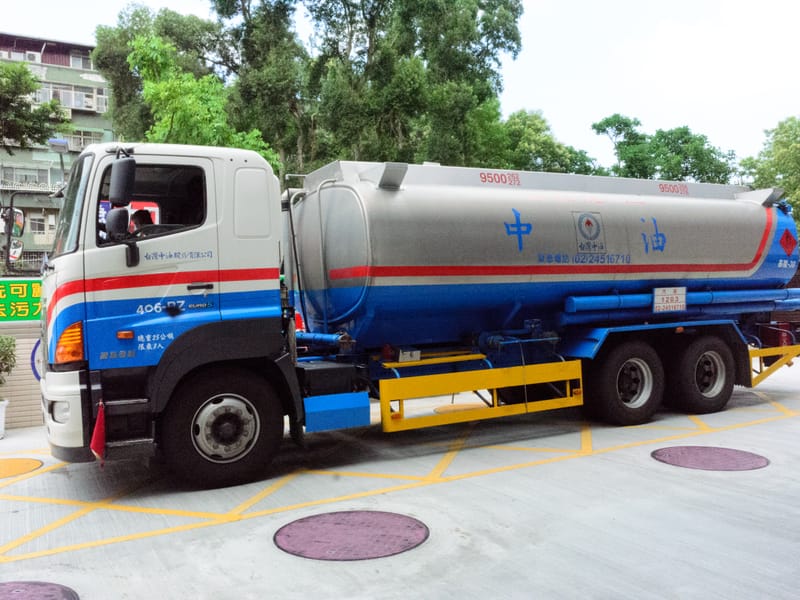
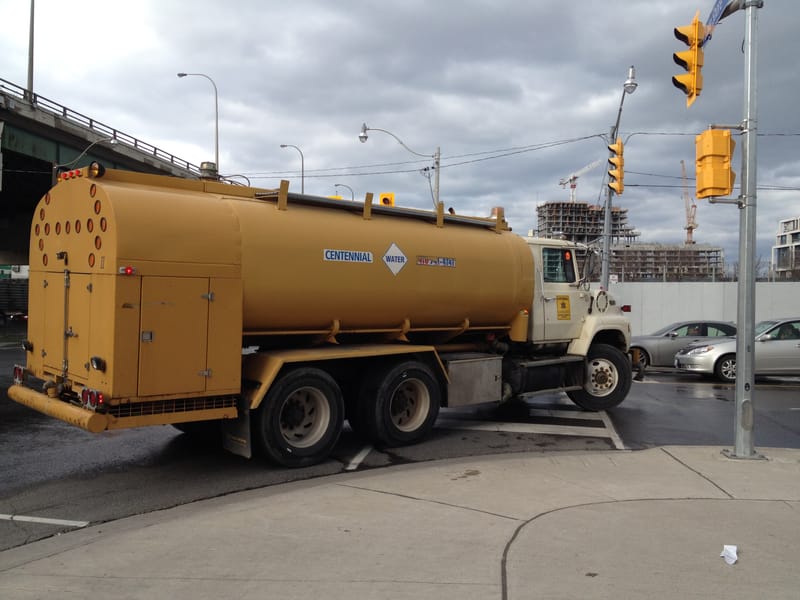
- Carrying liquids, fuel and water on tanker semi-trailers.
- Carrying goods protected from dust and rain on the curtain-side trailer or the closed box.
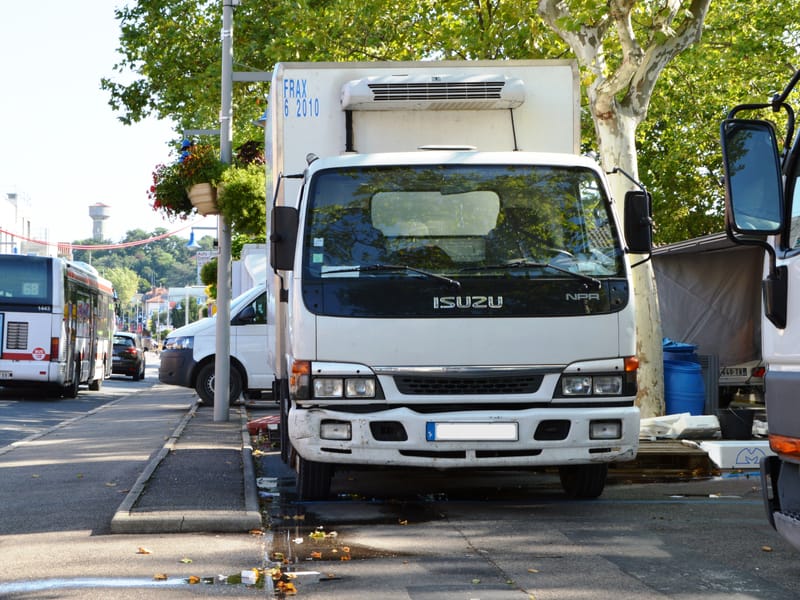
- Carrying chilled food on the refrigerated trailer.
02Classes and sizes
The market classifies the head by the number of axles and the drive configuration, and the semi-trailer by body type and number of axles, and the permitted load is set by the gross weight declared for the combination in the registrations and the road weight regulations, not by the figure the market circulates, “30-tonne tareela”.
| Type | Description | Typical use |
|---|---|---|
| Two-axle head (“4×2”) | One steering axle and one drive axle | Light and medium haulage on paved roads. |
| Three-axle head (“6×4”) | One steering axle and two drive axles | Heavy haulage, tipping, tankers and low-beds; the most common in the market. |
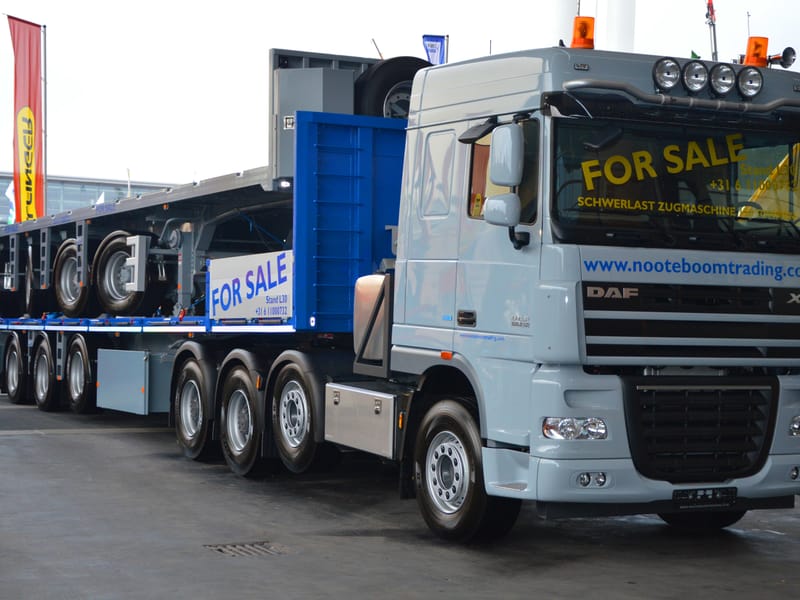
| Flatbed semi-trailer (“sattaha”) | An open flat deck | General materials, steel and light equipment. |
| Side-wall semi-trailer | A deck with drop-down sides | Packed goods and building materials. |
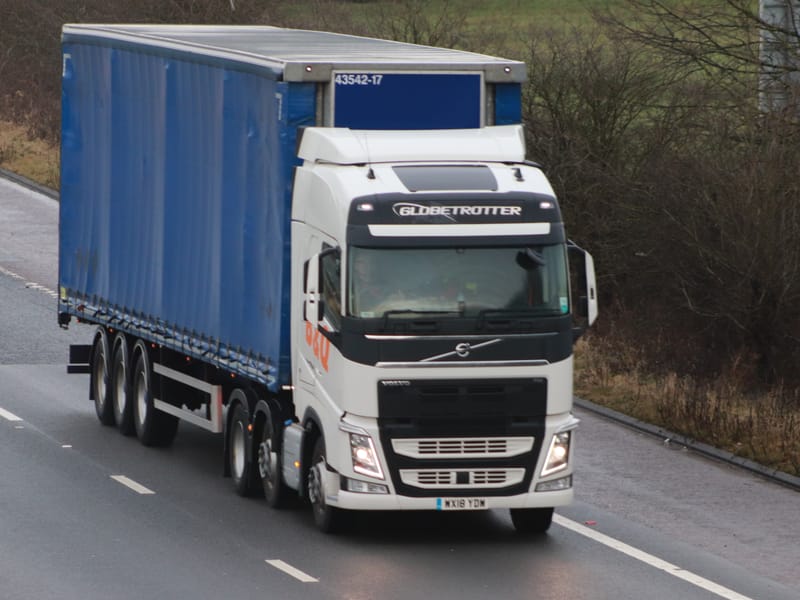
| Curtain-side semi-trailer | A frame with sliding side curtains | Goods that need protection with fast side loading. |
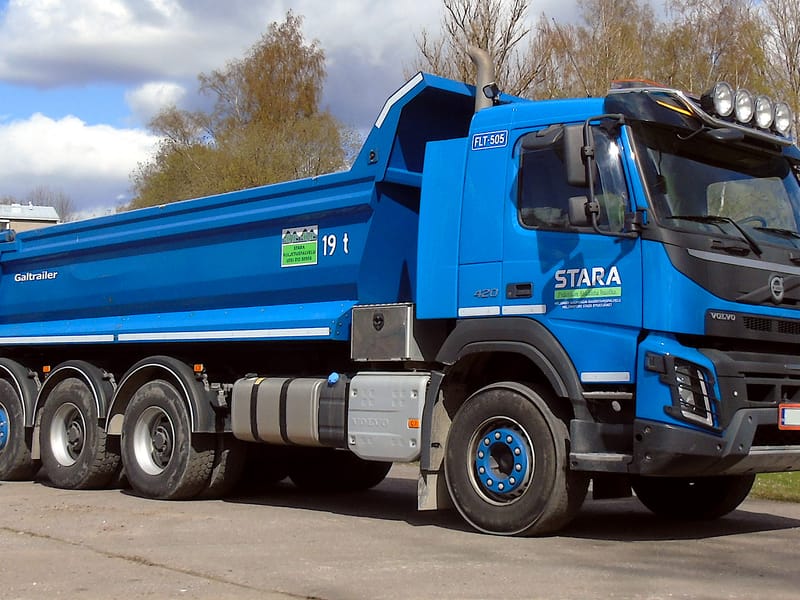
| Tipping semi-trailer | A tipping body with a hydraulic ram | Aggregate and sand from crushers. |
| Low-bed | A low deck with a gooseneck and ramps | Carrying heavy equipment, and it has its own page. |
| Tanker semi-trailer | A cylindrical tank with compartments | Fuel, water and liquid materials. |
| Refrigerated trailer (“barrad”) | An insulated box with a refrigeration unit | Food and medicines. |
03Main components
- 01The head: engine, transmission, drive axles and air or spring suspension.
- 02The fifth wheel with its jaw and latch.
- 03The kingpin at the front of the semi-trailer and the slide plate.
- 04The air and electrical connections between the head and the trailer and the emergency brake line.
- 05The air brake system for the head and the trailer, the emergency brake valve and the dryer.
- 06The trailer landing legs for when it is uncoupled.
- 07The trailer axles, suspension, tyres and rims.
- 08The trailer body: the floor and sides, the curtain or the tank, and the load securing points and straps.
- 09The electrical, lighting and reflector system on the head and the trailer.
04Periodic maintenance schedule
The ladder is in kilometres for the head with a time-based schedule for the trailer, and the manual for the specific model sets the intervals and tasks that apply; the intervals shorten on rough roads, in dust and in extreme heat.
| Interval | Typical tasks |
|---|---|
| Daily before moving |
|
| Weekly |
|
| Every 10,000 km or per the manual |
|
| Every 20,000 km |
|
| Every 40,000 km |
|
| Every 80,000 km or annually |
|
The manufacturer’s manual governs. The actual intervals and tasks are set by the operation and maintenance manual for your machine’s model, and they are shortened in heavy dust, high heat and continuous operation. This table shows the general order only and does not replace the manual.
05Daily pre-start checklist
14 items
The general reference requires the driver to make sure before moving of the service brakes, including the trailer brake connections, the parking brake, the steering, the lights and reflectors, the tyres, the horn, the wipers, the mirrors, the towing devices, the wheels and rims, and the emergency equipment.
06Common operating mistakes that cause breakdowns
- An excessive or poorly distributed load, the first cause of damaged tyres, brakes and suspension and of overturning accidents.
- Coupling the trailer without making sure the jaw is locked, so the trailer separates while moving.
- Turning sharply at speed or on a slope, which tilts the loaded trailer and overturns it.
- Neglecting to drain water from the air tanks, and ignoring slow pressure build-up.
- Long braking on descents without using the exhaust brake or the engine brake, so the linings heat up and lose effectiveness.
- The forgotten trailer tyres: they are not inspected or inflated because they are not under the driver.
- Driving with the landing legs lowered, or with doors or curtains unlocked.
- Idling for long hours, which speeds up contamination of the engine oil and the exhaust treatment system.
07Regulatory requirements
Regulatory procedures to check when owning or operating this machine in the Kingdom.
08What to weigh when renting or buying
- The drive configuration and number of axles according to the type of haulage, the roads and the permitted weight.
- Matching the fifth-wheel height and the kingpin height between the head and the available trailers.
- Reading the odometer together with the maintenance record, the fuel and exhaust filters, and the record of recurring faults.
- The condition of the engine, the transmission, the clutch and the air pressure and its build-up speed.
- On the trailer: its floor, welds, axles, brakes, tyres and landing legs.
- Availability of a dealer, spare parts and a service network on the roads where it works.
- When renting: whether the contract is per trip or per month, with or without a driver, and who bears the fuel, tyres, fines and insurance.
Settle these factors first, then enter your own numbers in the Own vs rent calculator or the Equipment operating cost per hour calculator.
09Frequently asked questions
In the Saudi market “tareela” means the whole unit; the towing truck is called the “head” (“ra’s”) and the loaded part is called the “semi-trailer” (“nisf maqtura”).
By body type: flatbed, side-wall, curtain-side, tipper, closed box, refrigerated, tanker, low-bed and container chassis; and the heads have two or three axles.
The permitted load is not a single number but is set by the gross weight declared for the combination in the registrations and the road weight regulations and by the number of axles, and the figure circulated in the market is approximate.
The body capacity differs by model, and the limit that applies is the declared weight, not the volume, since wet sand is heavier than dry sand of the same volume.
The qallab is a rigid truck with a body fixed to its chassis, while the tareela is a separate head pulling a semi-trailer that may be a tipper, a flatbed or another type.
The brakes, air, fifth-wheel locking, connections, tyres on the head and the trailer, lights, load, legs and documents, as in the list above.
Mostly because the fifth-wheel jaw was not fully locked on the kingpin and was not tested by pulling, or because the jaw or the kingpin is worn beyond the limit.
The head by kilometres like any truck, and the trailer by a time-based schedule and by periodic inspection, and hours can be added for heads that work inside sites over short distances.