- Names used in Saudi Arabia
- Refrigerated truckReefer truckReefer trailerCold chain truckBarrad (Saudi term)Tareela barradShahinat tabrid
- Formal name
- شاحنة مبرّدة
- English name
- Refrigerated truck (reefer)
- Family
- Trucks & trailers · Trucks
- Measured by
- Hours and kilometres
01Definition and uses
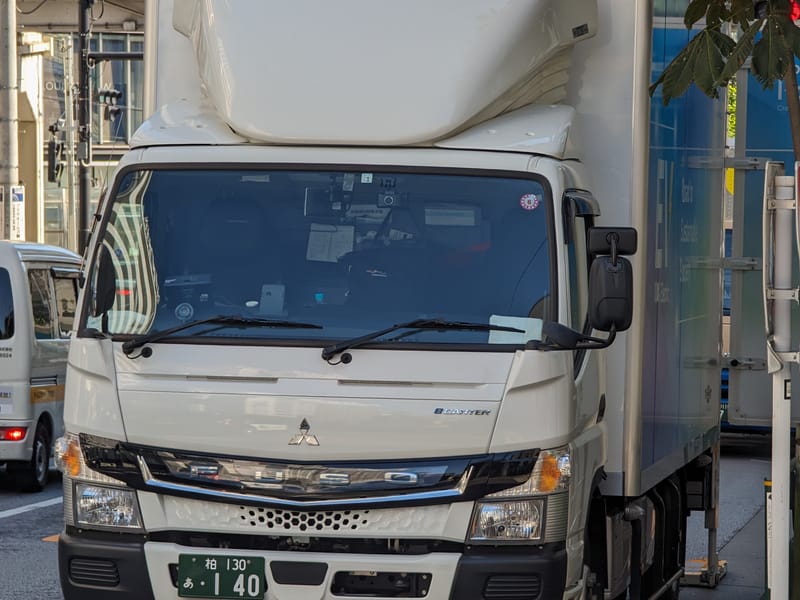
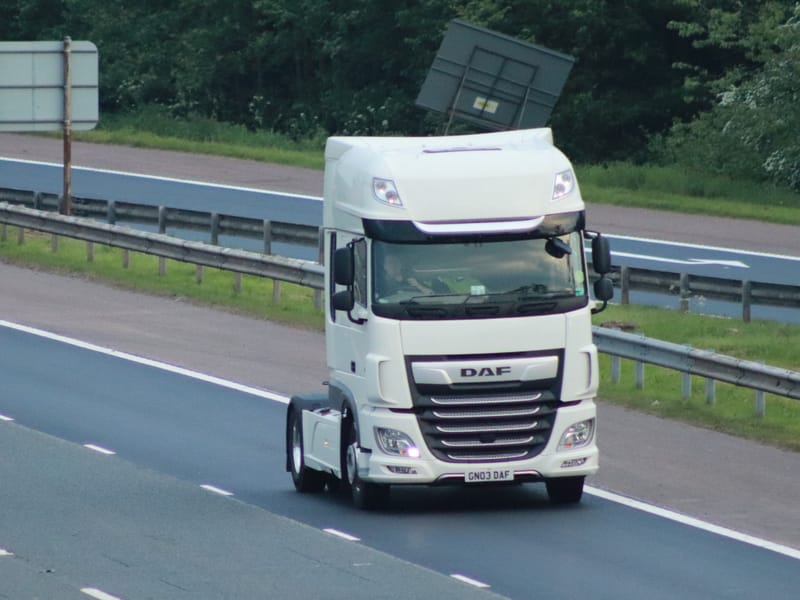
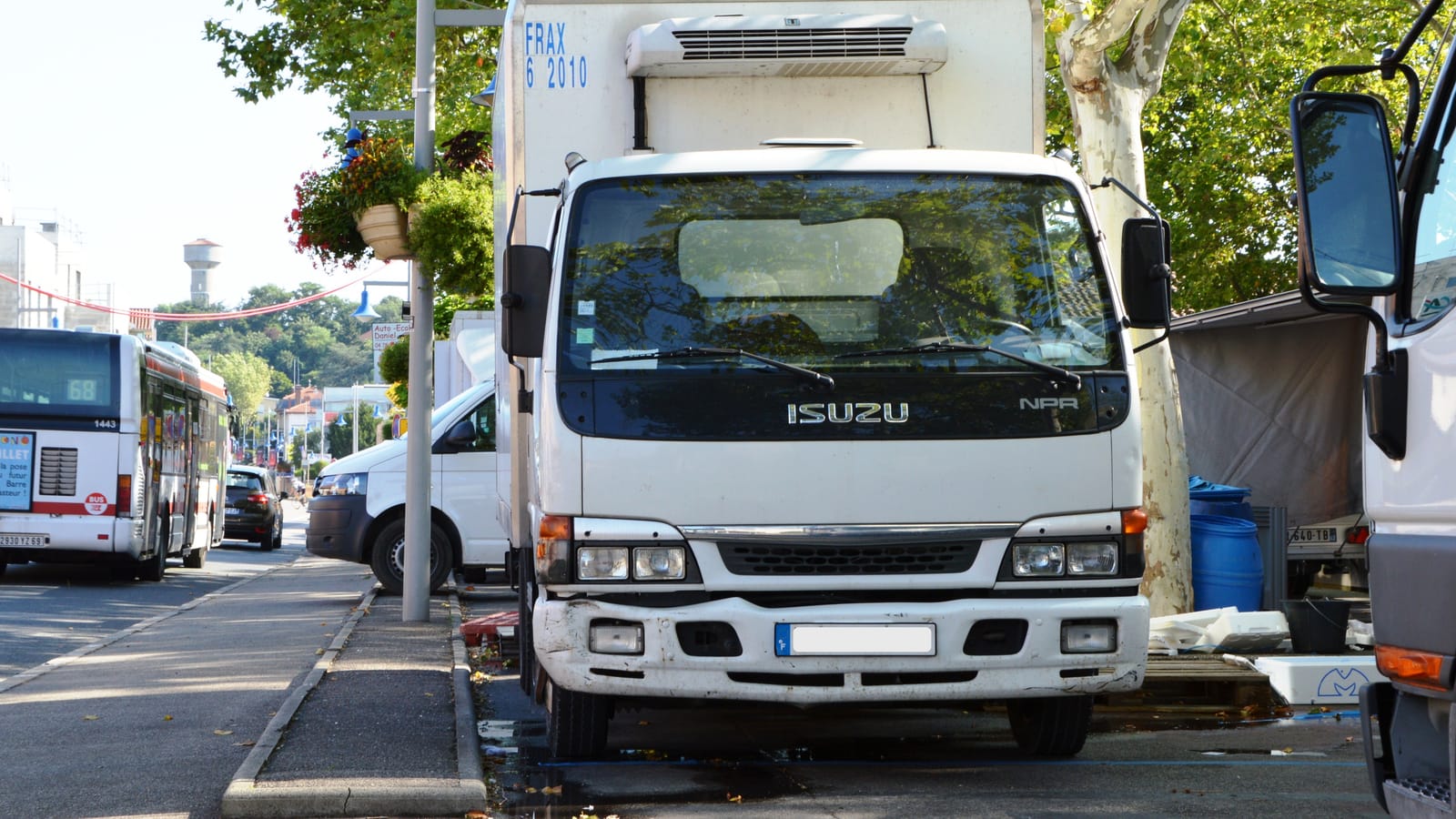
The refrigerated truck is a truck or van designed to carry perishable goods at low temperatures. It differs from an ordinary insulated truck in that it is fitted with a refrigeration unit, while the insulated one has none. Most long-distance refrigerated transport by truck is done with closed-sided semi-trailers behind a tractor head. The truck is cooled by ice, dry ice, liquid carbon dioxide or a mechanical refrigeration unit driven by a small engine or by the truck’s own engine. The reefer is a road vehicle measured in kilometres, and the refrigeration unit has its own hour meter. In the Saudi market the word “barrad” is said for the small refrigerated truck, and “tareela barrad” for the tractor with the refrigerated trailer.
Uses
- Carrying fresh and frozen food from factories and ports to stores and markets.
- Distributing dairy, meat and poultry products to restaurants and shops.
- Carrying vegetables and fruit that need an unbroken cold chain.
- Carrying medicines and heat-sensitive medical supplies.
- Carrying fish from ports to distribution centres.
- Carrying flowers and sensitive agricultural products.
- Local distribution inside cities with small refrigerated trucks.
02Classes and sizes
Refrigerated trucks are classified by size and by refrigeration system, and the actual capacity and gross weight of each model are in the manufacturer’s bulletin and the vehicle’s registration card.
| Class | Description | Typical use |
|---|---|---|
| Dyna barrad | A light truck with an insulated box and a refrigeration unit | Distribution inside cities and retail shops. |
| Medium reefer truck | A heavy truck with a refrigerated box on the chassis | Distribution between cities and for large stores. |
| Tareela barrad | A tractor head with an insulated, refrigerated semi-trailer | Transport between cities and large loads. |
| Independent-engine refrigeration | A unit with a small engine independent of the truck’s engine | Cooling stays on while the truck’s engine is stopped. |
| Truck-engine refrigeration | A unit driven by the truck’s engine | Small trucks and short distribution. |
| Dry ice or liquefied gas cooling | No mechanical unit | Special loads and short trips. |
03Main components
- 01The insulated box, its walls, floor, doors and door gaskets.
- 02The refrigeration unit: compressor, condenser, evaporator and two fans.
- 03The independent refrigeration unit engine, if any, or its link to the truck’s engine.
- 04The temperature controller and its sensors.
- 05The temperature recorder to prove the safety of the load.
- 06A channelled floor that allows air to circulate around the load.
- 07The chassis and drive group: engine, gearbox and axles.
- 08The brake system, the suspension and the tyres.
- 09The ventilation openings and the door locks.
- 10The electrical system and the lighting.
04Periodic maintenance schedule
The refrigerated truck follows two schedules: the chassis schedule in kilometres, and the refrigeration unit schedule in its operating hours. The following ladder is the usual one, and the model manual and the refrigeration unit manual set the intervals and tasks that apply; the intervals are shorter in high heat and with frequent door opening.
| Interval | Typical chassis tasks |
|---|---|
| Daily before moving |
|
| Weekly |
|
| Every 10,000 km or per the manual |
|
| Every 20,000 km |
|
| Every 40,000 km |
|
| Every 80,000 km or annually |
|
| Unit interval | Refrigeration unit tasks |
|---|---|
| Every 250 hours | Change the unit engine oil and its filter if it is independent, check the belts, clean the condenser and the evaporator. |
| Every 500 hours | Change the fuel filter, check the refrigerant level and the compressor oil, check the drainage of water from the evaporator. |
| Every 1000 hours | Check the compressor and the fan bearings, calibrate the sensors and the controller, check the electrical connections. |
| Every 2000 hours | A full inspection of the circuit and its leaks by a refrigeration technician, change the dryers and the filters according to the manual. |
The manufacturer’s manual governs. The actual intervals and tasks are set by the operation and maintenance manual for your machine’s model, and they are shortened in heavy dust, high heat and continuous operation. This table shows the general order only and does not replace the manual.
05Daily pre-start checklist
14 items
The general reference for commercial transport vehicles requires the driver to check the brakes, the parking brake, the steering, the lighting, the tyres, the horn, the wipers, the mirrors and the emergency equipment.
06Common operating mistakes that cause breakdowns
- Loading warm goods into a box that has not been pre-cooled, so the unit carries a load beyond its capacity.
- Leaving the doors open for a long time during loading.
- Stacking the load with no space for air circulation or blocking the evaporator openings.
- Neglecting to clean the condenser and the evaporator of dust and residue.
- Stopping the refrigeration unit during a long wait in the heat and then loading it again.
- Neglecting to drain the evaporator water, so it freezes and blocks the channel.
- Loading above the declared load.
- Neglecting to calibrate the sensors, so incorrect temperatures are recorded.
07Regulatory requirements
Regulatory procedures to check when owning or operating this machine in the Kingdom.
08What to weigh when renting or buying
- The temperature required for the load: chilled or frozen, since it determines the suitable refrigeration unit.
- The size of the box and the declared load of the chassis.
- The condition of the insulation and the gaskets, since their wear raises the unit’s load.
- The refrigeration unit hours separate from the chassis kilometres, with its maintenance record.
- The mode of operation: with an independent engine or with the truck’s engine.
- The presence of a temperature recorder whose record can be presented on request.
- The condition of the floor, its drainage and its doors.
- When renting: who bears the refrigeration unit fuel, the driver and the spoilage of the load if the unit fails.
Settle these factors first, then enter your own numbers in the Own vs rent calculator or the Equipment operating cost per hour calculator.
09Frequently asked questions
The barrad is a truck with a refrigeration unit that keeps the load at a low temperature, and the insulated truck has no refrigeration unit. Its insulation only slows the rise of temperature and does not lower it.
By ice, dry ice, liquid carbon dioxide, or a mechanical refrigeration unit with a small engine or with the truck’s engine.
The dyna barrad for distribution, the medium barrad truck, and the tareela barrad for transport between cities, with the refrigeration system differing as in the table above.
Common types include reciprocating, screw and scroll, and the manufacturer specifies the compressor type in the unit’s manual.
The required temperature, the box size and the condition of the insulation, and who bears the unit fuel, the driver and the spoilage of the load, as in the section above.
The condition of the insulation, the gaskets and the floor, the refrigeration unit hours and its maintenance record, the temperature recorder, and the chassis of the tractor and the trailer.
Both together: kilometres for the chassis and hours for the refrigeration unit, since a unit that runs while stopped records hours without kilometres.