
01The regulatory framework
The “Periodic Technical Inspection of Vehicles Regulation” was issued by Council of Ministers Resolution No. (386) dated 11/7/1442 AH, corresponding to 23 February 2021, and its implementing regulation was issued on 6 October 2021. The supervising body is the Saudi Standards, Metrology and Quality Organization through an executive committee whose members include the Director of the General Directorate of Traffic.
The Regulation defines the vehicle as “a means of transport that moves on the road network”, and the implementing regulation defines the inspection as “the process of subjecting the vehicle, the tractor unit, the trailer and the semi-trailer to the periodic technical examination according to specific requirements and conditions on a technical basis”. The controls and provisions determine the parts that are inspected, and they are updated periodically.
02When the inspection is required
According to the official operator of the periodic technical inspection:
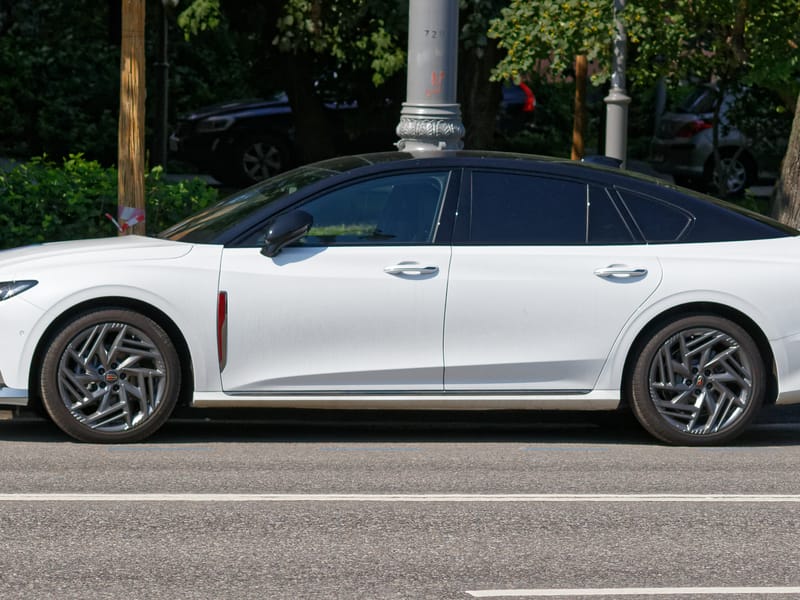
| Vehicle type | First inspection | Thereafter |
|---|---|---|
| New private vehicle | After three years from its first licensing to travel | Annually |
| Public transport vehicle | After two years from its first licensing to travel | Annually |
The inspection certificate is valid for one year. In the procedures for licensing public transport by bus, a valid periodic technical inspection certificate is a condition for issuing the operating card.
03Trucks and trailers
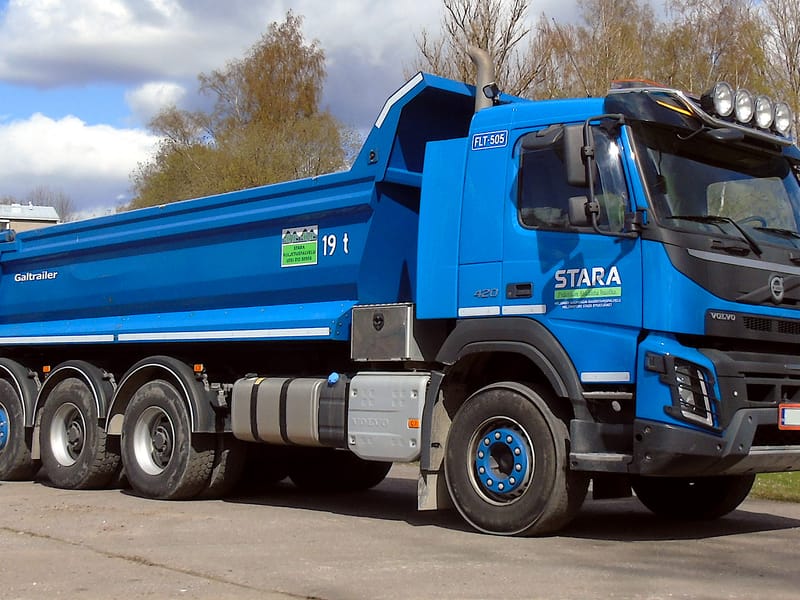
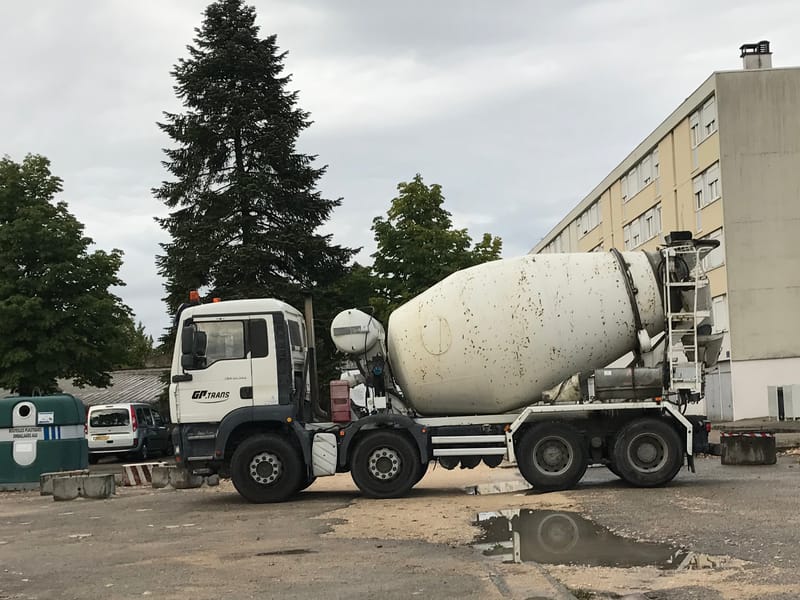
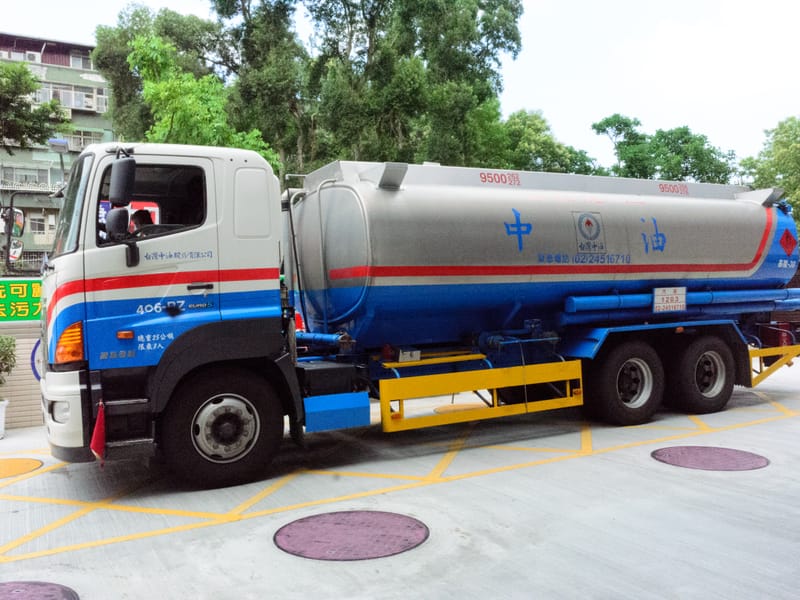
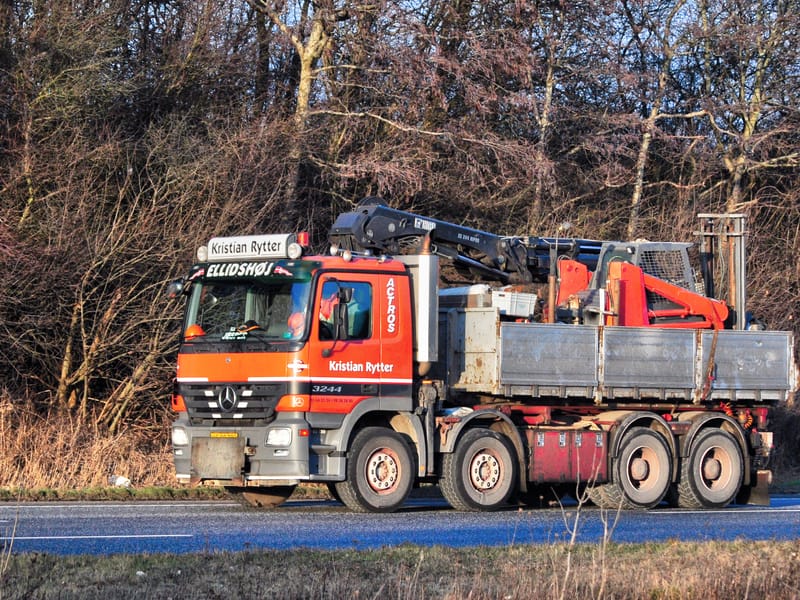
The truck is inspected with its tractor unit and trailer together. The implementing regulation classifies the licensing scope of inspection bodies into two categories: vehicles, trailers and semi-trailers with a weight below 3,500 kg, and those with a weight above 3,500 kg.
A vehicle arriving from abroad with a valid inspection sticker or document is permitted to travel for a period not exceeding the end of the validity of its technical inspection, and without them it must be inspected within a period not exceeding 15 days from the date of its entry into the Kingdom.
04Documents required
The vehicle is presented to the inspection station by its owner, a first-degree relative of the owner, one of the people under the owner’s sponsorship, or the person authorised to drive it, after washing and cleaning it, bringing with them:
- The booking appointment.
- The ID of the vehicle owner, or of the first-degree relative, or of the person authorised to drive.
- The vehicle’s registration card (“rukhsat sayr”), or a printout from Traffic, or the original customs card for an imported vehicle.
05Fees and re-inspection
The official operator states that inspection fees differ by vehicle type and by type of inspection, first time or repeat; as of the date this guide was reviewed, the available official texts do not publish a table of amounts. Payment at the station is in cash or through point-of-sale devices.
A vehicle that does not pass the inspection is re-inspected within 14 working days at a reduced fee, up to a maximum of twice. The operator does not impose fines for delay, whereas not renewing the inspection is a traffic violation in the Traffic Law’s tables.
06Heavy equipment and the periodic inspection
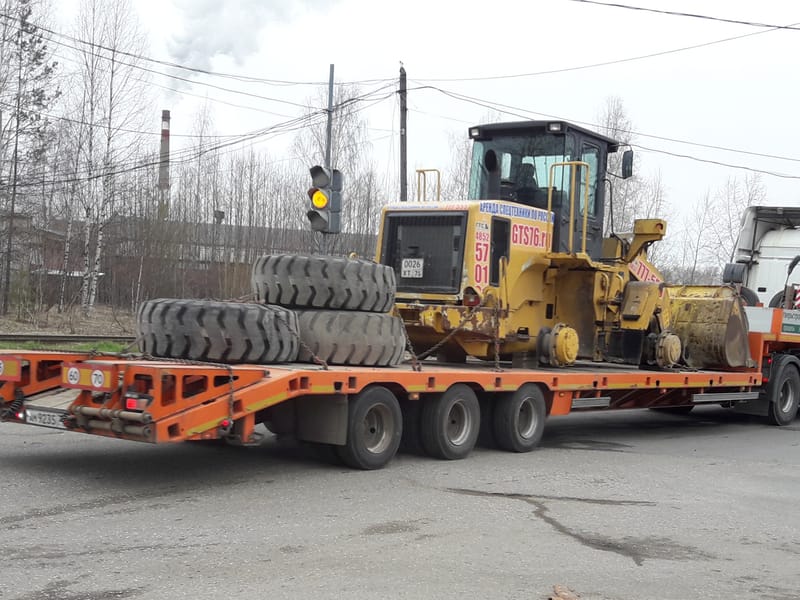
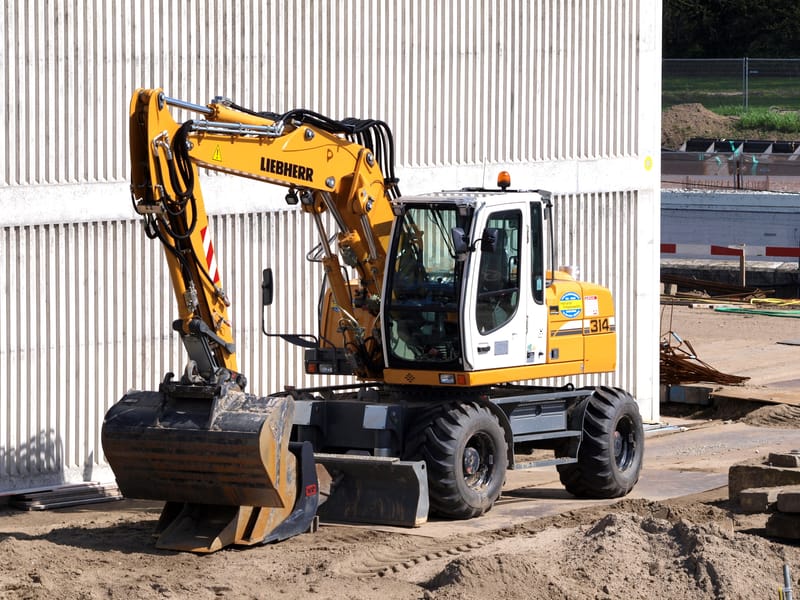
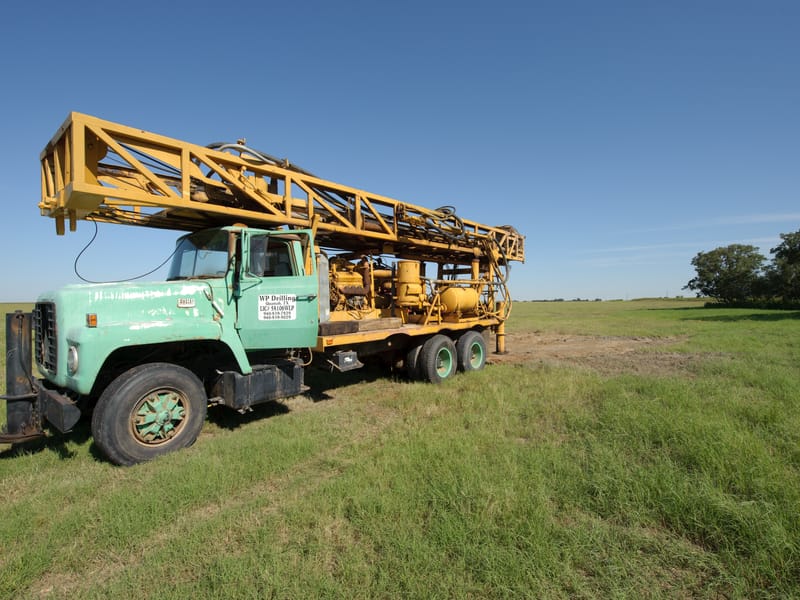
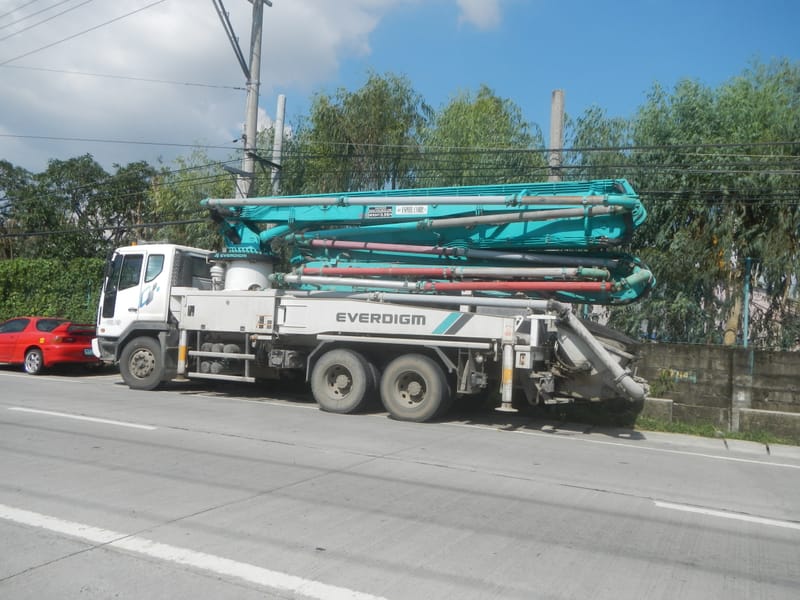
The Regulation’s definition is limited to the means of transport that moves on the road network. The resolution creating the Heavy Equipment Regulatory Center required that there be no duplication with carrying out the periodic technical inspection of vehicles, and a heavy machine registered with the Center has a technical inspection at an accredited body, after which an “equipment operating permit” is issued.
07How to apply
- 1
Book an appointment
Book an appointment before visiting the inspection station, through the booking platform or its application.
- 2
Registration and payment
Register the vehicle’s details and pay the fee at the station.
- 3
Inspection
The vehicle is inspected by the periodic inspection team.
08Official source
- Authority
- Saudi Standards, Metrology and Quality Organization (SASO) — the official operator of the periodic technical inspection
- Service
- Periodic Technical Inspection of Vehicles
- Last reviewed
09Frequently asked questions
The message indicates that the vehicle does not have a valid periodic technical inspection certificate. The certificate is valid for one year, and it is renewed by booking a new appointment and having the vehicle inspected at one of the stations.
A new private vehicle is inspected for the first time after three years from its licensing to travel, then annually. A public transport vehicle is inspected after two years, then annually.
One year.
The official operator states that it differs by vehicle type and type of inspection, and as of the date this guide was reviewed the available official texts do not publish a table of amounts.
Yes. The truck is inspected with its tractor unit and trailer together.
The booking appointment, the ID of the owner or the first-degree relative or the person authorised to drive, and the vehicle’s registration card or a printout from Traffic or the original customs card for an imported vehicle.
The operator does not impose fines for delay, but not renewing the inspection is a traffic violation in the Traffic Law’s tables.
The Regulation’s definition is limited to the means of transport that moves on the road network. A heavy machine registered with the Heavy Equipment Regulatory Center has a separate technical inspection after which the equipment operating permit is issued.