- Names used in Saudi Arabia
- Flatbed semi-trailerFlatbed trailerFlatbedSide-wall trailerTareela satha (Saudi term)Tareela jawanib
- Formal name
- نصف مقطورة مسطحة
- English name
- Flatbed semi-trailer
- Family
- Trucks & trailers · Trucks
- Measured by
- Kilometres
01Definition and uses
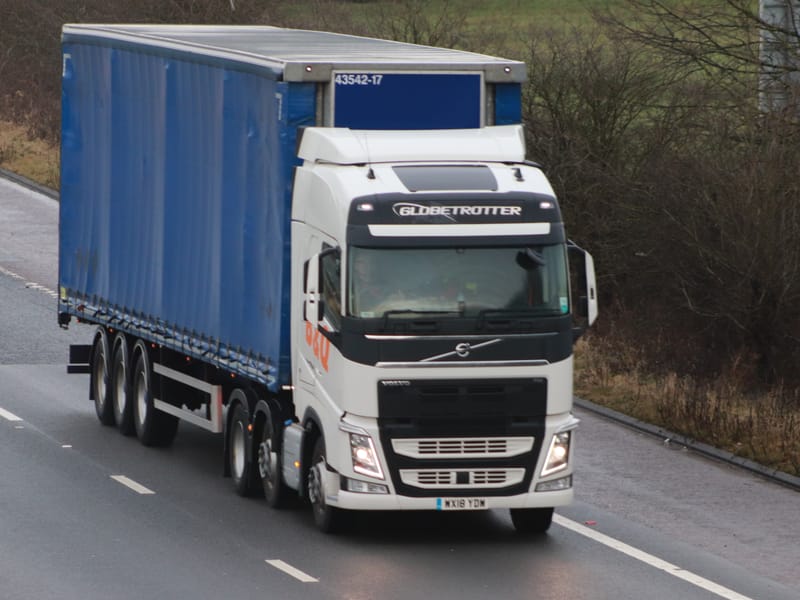
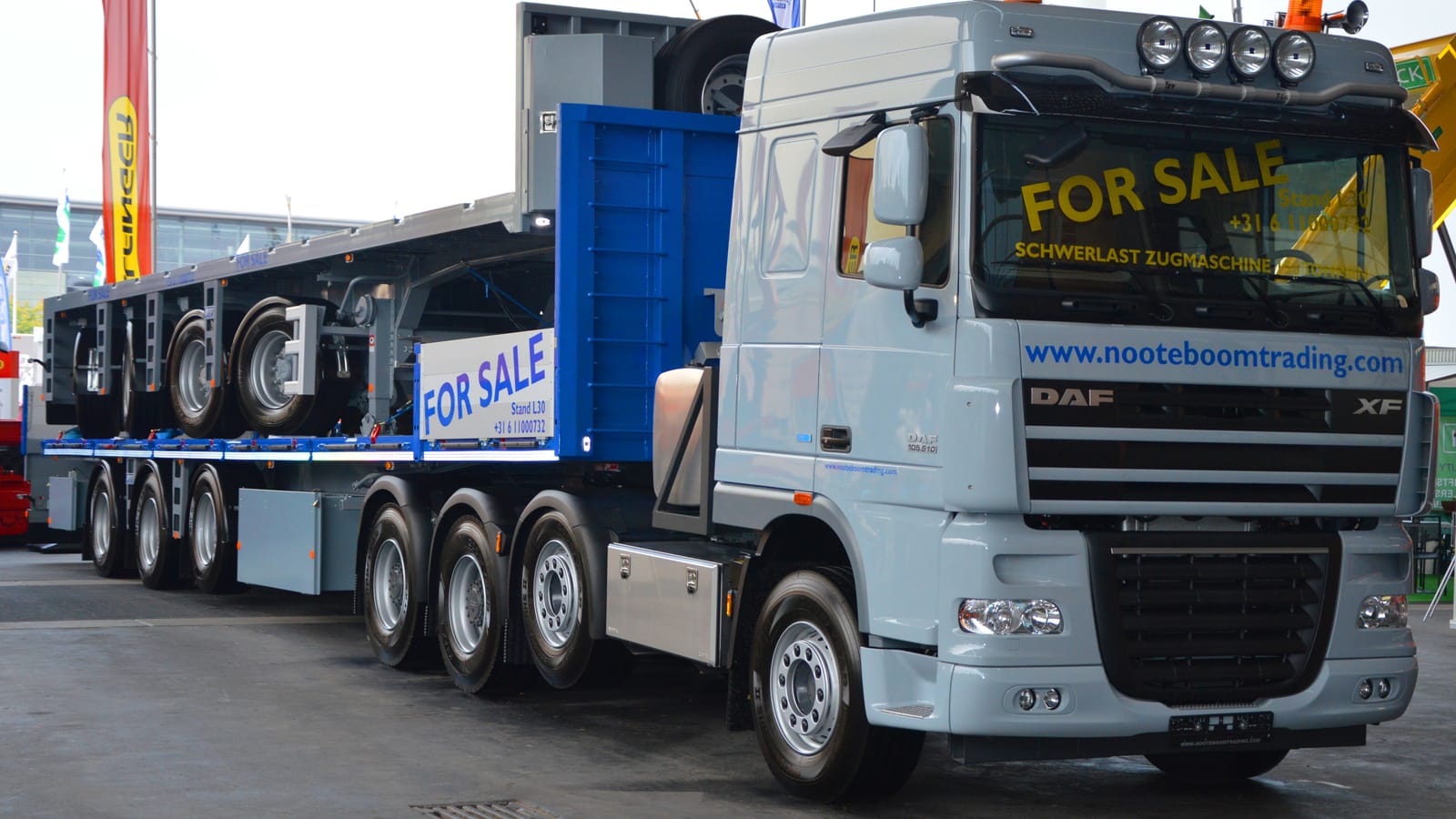
The flatbed semi-trailer is a semi-trailer whose deck is an open level floor, pulled by a tractor head, and it carries loads that are not affected by rain and unusual loads that need more room than a closed box. In its simplest form it consists of a loading floor, removable sides and a front board that protects the head if the load shifts. It is a trailer with no engine, so its life is measured by the kilometres of its head and by the condition of its axles, brakes and tyres. One practical rule is to re-tighten the straps after the first part of the journey because they slacken as the load settles. In the Saudi market it is called “tareela satha”, and it is called “tareela jawanib” (side-wall trailer) if fixed or openable high sides are fitted to contain loose loads.
Uses
- Carrying steel, pipes, plates and precast concrete blocks.
- Carrying timber, building materials, blocks and stacked sacks.
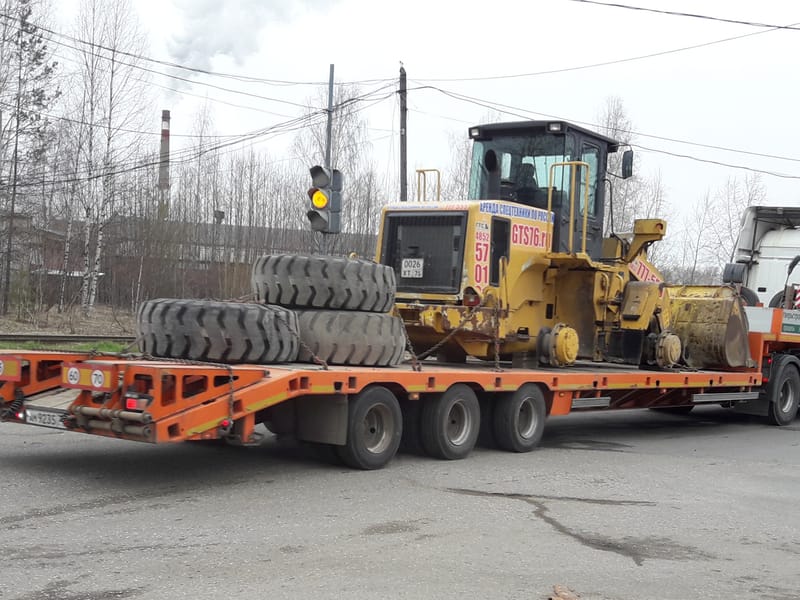
- Carrying machines, light equipment and large irregular loads.
- Carrying loads that need a forklift without a loading dock.
- Carrying fodder and loose loads with the high sides.
- Carrying containers with dedicated locks if they are fitted.
- Moving project materials between sites and stores.
- Carrying long loads such as pipes and small steel girders that a closed box cannot take.
02Classes and sizes
Flat trailers are classified by length, number of axles and the type of floor and sides, with the permitted load and dimensions in the registration card and the manufacturer’s bulletin, and what matters in choosing is balancing the floor length and number of axles with the type of load and the road weight limits. The reference lists types among them: the step-deck low floor, the curtain-sided and the flexible-cover types.
| Class | Description | Typical use |
|---|---|---|
| Standard flatbed | A level floor with no sides | Steel, equipment and general loads. |
| Low sides | Short sides that can be lowered | Building materials and loose loads. |
| High sides | High sides that can be opened | Fodder and loose materials. |
| Step-deck | A floor that drops a step after the head | Taller loads under bridges. |
| Curtain-sided | Side curtains that can be drawn | Covered loads that load quickly. |
| Three axles or more | Extra axles to spread the weight | Heavy loads within the permitted weights. |
03Main components
- 01The main frame and its cross members.
- 02The floor, of timber, steel or aluminium.
- 03The protective front board.
- 04The removable or lowerable sides and their posts.
- 05The lashing points and edge hooks.
- 06The kingpin and the coupling plate.
- 07The front support legs.
- 08The axles, the suspension and the tyres.
- 09The air brake system and its connections.
- 10The lighting, the reflectors and the side guards.
04Periodic maintenance schedule
The ladder is in kilometres with a time schedule because the trailer has no meter, and the manual for the specific model sets the intervals and tasks that apply; the intervals are shorter on rough roads, with heavy loads and in extreme heat.
| Interval | Typical tasks |
|---|---|
| Daily before moving |
|
| Weekly |
|
| Every 10,000 km or per the manual |
|
| Every 20,000 km |
|
| Every 40,000 km |
|
| Every 80,000 km or annually |
|
The manufacturer’s manual governs. The actual intervals and tasks are set by the operation and maintenance manual for your machine’s model, and they are shortened in heavy dust, high heat and continuous operation. This table shows the general order only and does not replace the manual.
05Daily pre-start checklist
13 items
The general reference requires checking before driving the brakes, the coupling devices, the lighting, the tyres, the wheels and rims, and the emergency equipment.
06Common operating mistakes that cause breakdowns
- Lashing the load with too few straps or with weak straps, so it may fall on the road and cause an accident.
- Loading one side or the front more than the other, which strains the axles and weakens stability.
- Exceeding the declared load or the legal dimensions.
- Not covering a loose load or one that is affected by rain and dust.
- Driving with the sides not locked or their pins slack.
- Leaving the support legs lowered while driving.
- Loading with a forklift on the floor without regard to its load rating.
- Neglecting to grease the kingpin, so it wears and damages the coupling with the head.
07Regulatory requirements
Regulatory procedures to check when owning or operating this machine in the Kingdom.
08What to weigh when renting or buying
- The floor length and width against the type of your load.
- The type of sides: high, low or none, according to the material, and the ease of opening and locking them.
- The presence of the protective front board for the tractor head.
- The number of axles and the load rating.
- The floor material: timber, steel or aluminium, each with its effect on weight and durability.
- The condition of the main frame, the welds and the cross members.
- The condition of the brakes, axles and tyres.
- The match of the connections to the heads in your fleet.
- When renting: whether it comes with the head and the driver, and who bears the fuel, damage caused by the load and violations.
Settle these factors first, then enter your own numbers in the Own vs rent calculator or the Equipment operating cost per hour calculator.
09Frequently asked questions
The Saudi term is “tareela satha”. The English name is in the name field above.
The flatbed is an open floor with no sides, the side-wall trailer has high sides that contain loose loads, and the curtain-sided has side curtains of reinforced fabric that are drawn, combining the protection of a closed box with easy side loading.
The flatbed has a high deck for general loads, and the low-bed is low for construction machines and heavy equipment.
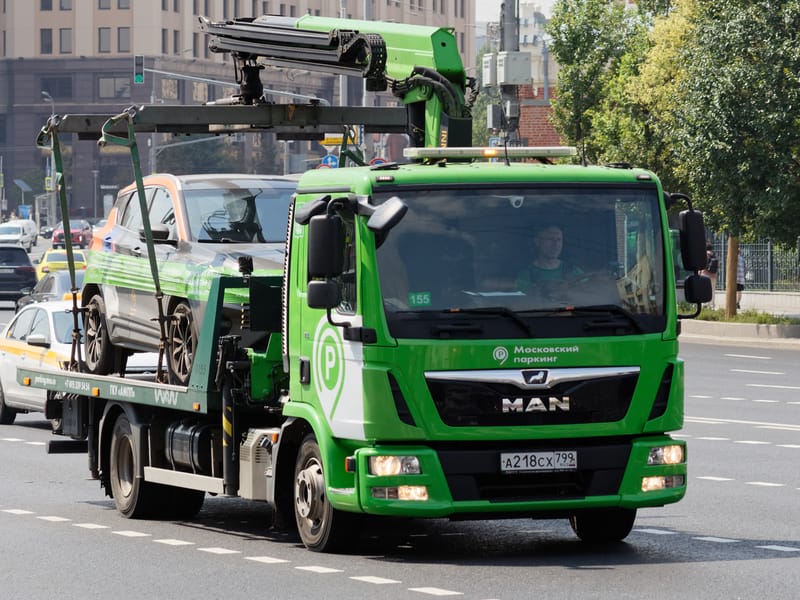
The tareela satha is a trailer pulled by a tractor head, and the satha is a single truck with a tilting deck for carrying cars.
Loose materials, fodder and stacked building materials that need sides to contain them, while a single large load is better suited to the standard flatbed.
With straps and chains of suitable breaking strength, spread over the load to prevent it sliding, and the American reference specifies that securing devices withstand forward deceleration and rearward acceleration in set amounts.
Brake linings, wheel bearings, tyres, air hoses, lashing straps and the kingpin.