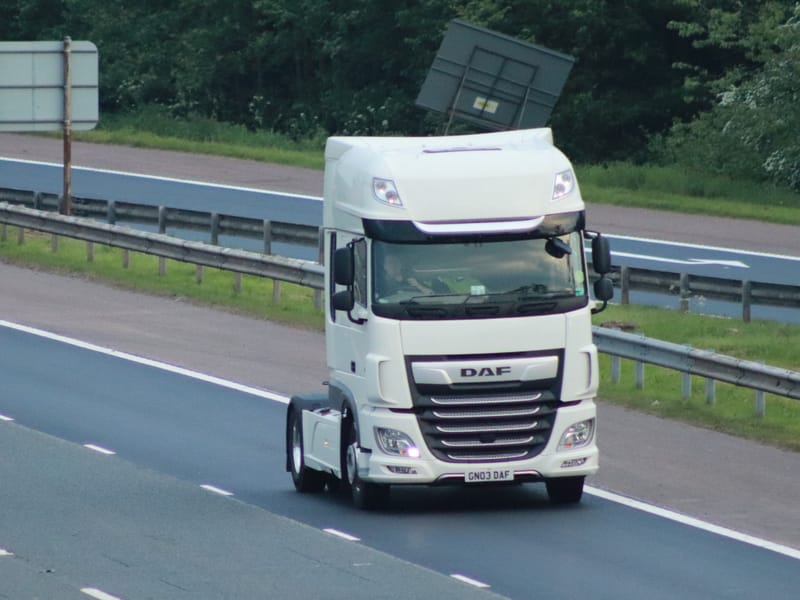
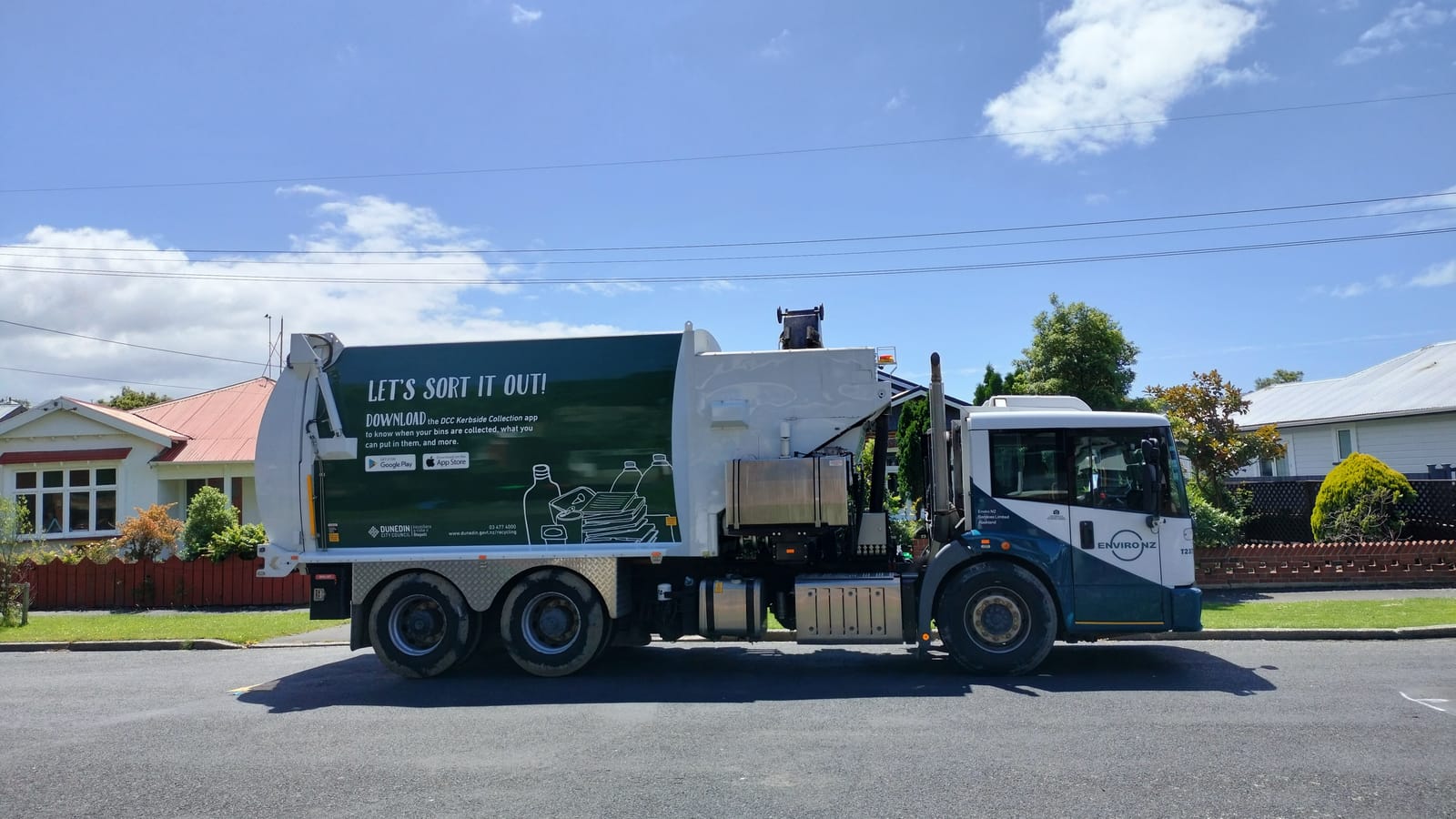
- Names used in Saudi Arabia
- Refuse compactor truckGarbage truckWaste collection vehicleRear loaderMakbas nifayat (Saudi term)Shahinat nifayat
- Formal name
- شاحنة ضغط النفايات
- English name
- Refuse compactor truck
- Family
- Trucks & trailers · Trucks
- Measured by
- Hours and kilometres
01Definition and uses
The refuse compactor truck is a truck designed specifically to collect municipal waste and carry it to the landfill, the recycling centre or the transfer station. It is distinguished by compacting the waste inside its body with a hydraulic system so that a larger quantity is carried per trip, and building the compactor into the truck in 1938 was counted as a leap in this industry. It is known in technical references as a waste collection vehicle. It is a road vehicle measured in kilometres for the chassis, and the compaction body and its hydraulic system have their own separate operating hours. In the Saudi market these trucks work in municipalities, cleaning companies and large compounds, and workers call them “makbas” or “shahinat nifayat” (waste truck).
Uses
- Collecting household waste from neighbourhoods in bins and bags.
- Emptying large commercial and industrial waste containers.
- Collecting bulky waste, furniture and branches with a truck that has a grabber arm.
- Collecting sorted waste in two compartments when recyclable materials are separated.
- Serving residential compounds, resorts and markets on daily schedules.
- Carrying waste from temporary transfer stations to the landfill.
- Serving large events and seasons.
02Classes and sizes
Compactors are classified by the loading method, not by load alone, and the loading method determines the type of containers they serve and the number of workers on the truck. The body capacity and the gross weight of each model are in the manufacturer’s bulletin and the vehicle’s registration card.
| Class | Description | Typical use |
|---|---|---|
| Front loader | Two front forks lift the container over the cab and tip it | Large containers for commercial and industrial establishments. |
| Rear loader | A rear opening into which waste is thrown, and a compaction blade pushes it into the body | Neighbourhood collection in bags and bins. |
| Manual side loader | A low hopper into which workers empty the bins | Neighbourhoods with manual collection. |
| Automated side loader | A grabber arm lifts the container and empties it from the driver’s compartment | Wide neighbourhoods with standard containers and a single driver. |
| Two-compartment | A body divided to separate two types of waste | Sorted collection and recycling. |
| Grabber arm for bulky waste | An arm with a claw to lift furniture and branches | Bulky waste. |
03Main components
- 01The chassis, the cab and the drive group.
- 02The compaction body and the hopper into which the waste is thrown.
- 03The compaction blade or the moving wall that pushes the waste to the rear.
- 04The rear door, its locks and its gasket.
- 05The compaction and lifting cylinders and the control valves.
- 06The hydraulic pump, the power take-off, the oil tank and its cooler.
- 07The two forks or the grabber arm in the front and side models.
- 08The tank that collects the liquids draining from the waste and its drain valve.
- 09The reverse and side cameras, the reverse alarm and the warning lamps.
- 10The emergency stop buttons on the truck body.
04Periodic maintenance schedule
Compactor maintenance is built on kilometres for the chassis and on the power take-off operating hours for the compaction body, and the intervals shorten in municipal work because of frequent stop-start driving and the truck standing while its body works. The following ladder is the usual one, and the truck manual and the manual of the fitted body set the intervals and tasks that apply.
| Interval | Typical tasks |
|---|---|
| Daily before moving |
|
| Weekly |
|
| Every 10,000 km or per the manual |
|
| Every 20,000 km |
|
| Every 40,000 km |
|
| Every 80,000 km or annually |
|
| Every 500 hours for the compaction body |
|
| Every 1000 hours for the compaction body |
|
The manufacturer’s manual governs. The actual intervals and tasks are set by the operation and maintenance manual for your machine’s model, and they are shortened in heavy dust, high heat and continuous operation. This table shows the general order only and does not replace the manual.
05Daily pre-start checklist
15 items
The general reference for commercial transport vehicles requires the driver to check the brakes, the parking brake, the steering, the lighting, the tyres, the horn, the wipers, the mirrors and the emergency equipment.
06Common operating mistakes that cause breakdowns
- Loading solid objects that the compactor cannot bear, such as iron and concrete blocks.
- Running the compaction with the rear door open or the barrier not fixed.
- Running the power take-off at high engine speed without need.
- Neglecting to wash the body inside, so the plates corrode and the gaskets fail.
- Leaving the draining liquids in the tank without discharge.
- Loading the body above the declared load.
- Neglecting to clean the hydraulic oil cooler of dust and light waste.
- Driving with the blade or the arm not secured in its folded position.
07Regulatory requirements
Regulatory procedures to check when owning or operating this machine in the Kingdom.
08What to weigh when renting or buying
- The loading method suited to the containers available: front, rear or side.
- The body capacity and the gross weight allowed on the roads the truck takes.
- The condition of the compaction blade and body plates and the signs of wear and welds.
- The compaction and lifting cylinders: leaks and speed of movement.
- The compaction body hours separate from the chassis kilometres, with the maintenance record.
- The condition of the rear door, its gasket and its locks.
- The condition of the tyres and brakes, since municipal work wears them hard.
- The availability of spare parts for the fitted body and technical service in the city.
- When renting: who bears the driver, the workers, the fuel and the repair of the body in case of failures.
Settle these factors first, then enter your own numbers in the Own vs rent calculator or the Equipment operating cost per hour calculator.
09Frequently asked questions
A truck dedicated to collecting and carrying municipal waste, which compacts it with a hydraulic system to carry more per trip.
Front, rear and side loading, with the side loader manual or automated, including the two-compartment and the grabber-arm type for bulky waste.
Maintenance of the chassis in kilometres, and maintenance of the compaction body by its operating hours: the hydraulic oil, the filters, the compaction blade, the rear door and the leaks, as in the table above.
In the front loader the two forks tip the container over the cab, and in the automated side loader a grabber arm lifts the container from the side and empties it from the driver’s compartment.
Each truck can be recorded with its assets, maintenance, fuel, rounds and violations in a fleet management system, and tracking devices are optional.
The compaction blade, the body plates, its cylinders and the door gasket, the body hours and chassis kilometres and the maintenance record.
The containers adopted by the operating body, the width of the streets and the nature of the neighbourhoods, the frequency of collection, and the number of workers available per truck.